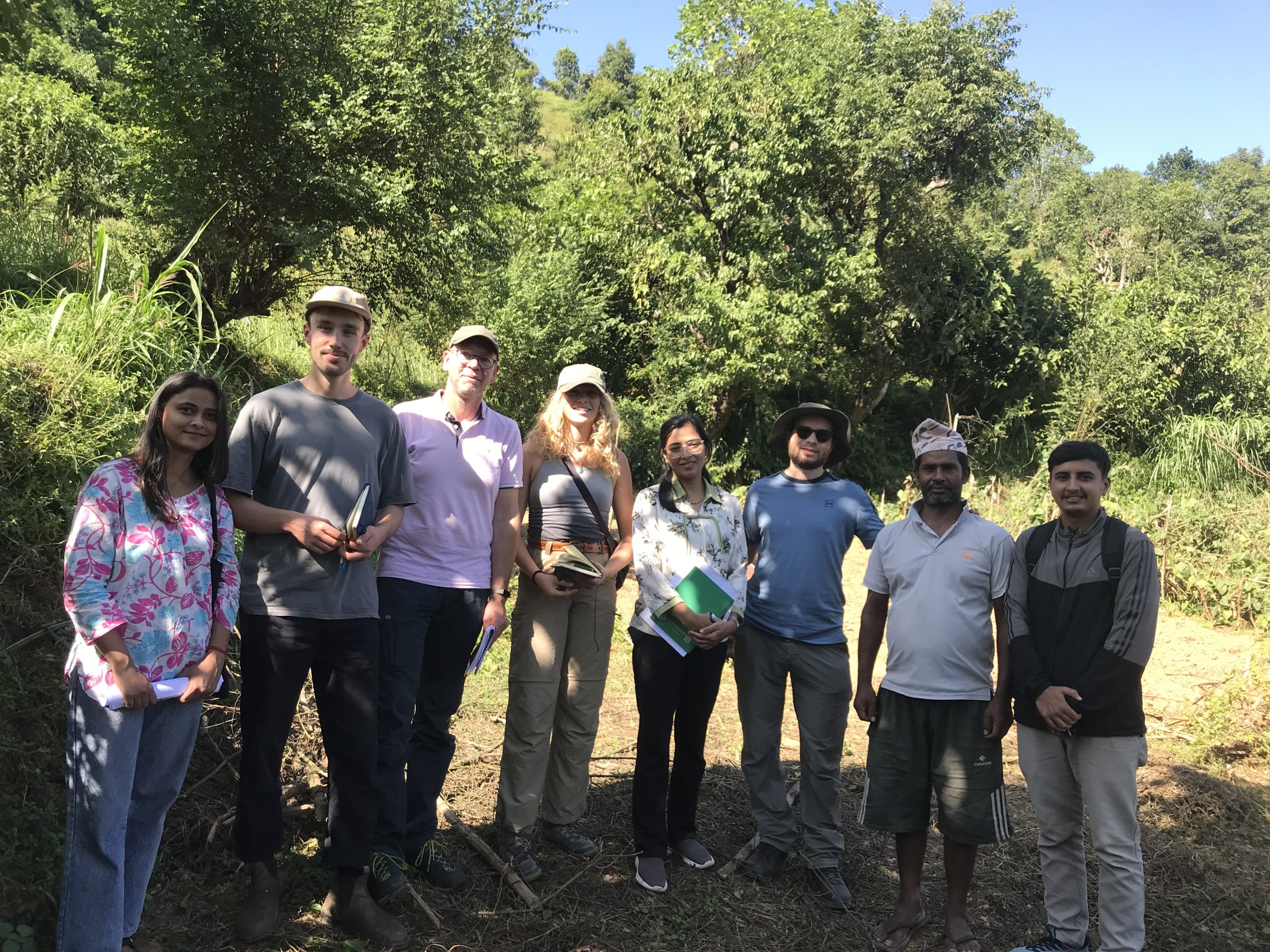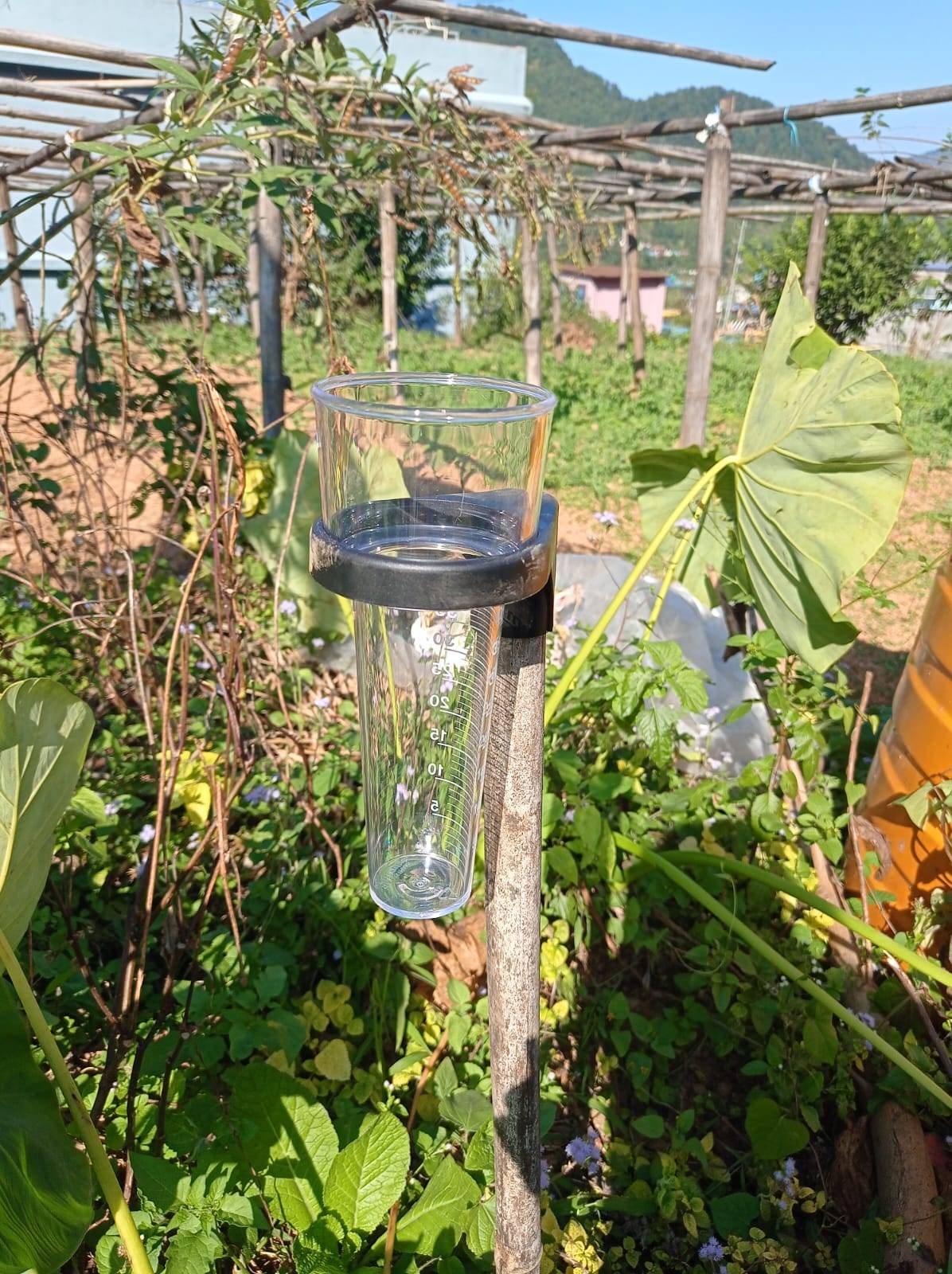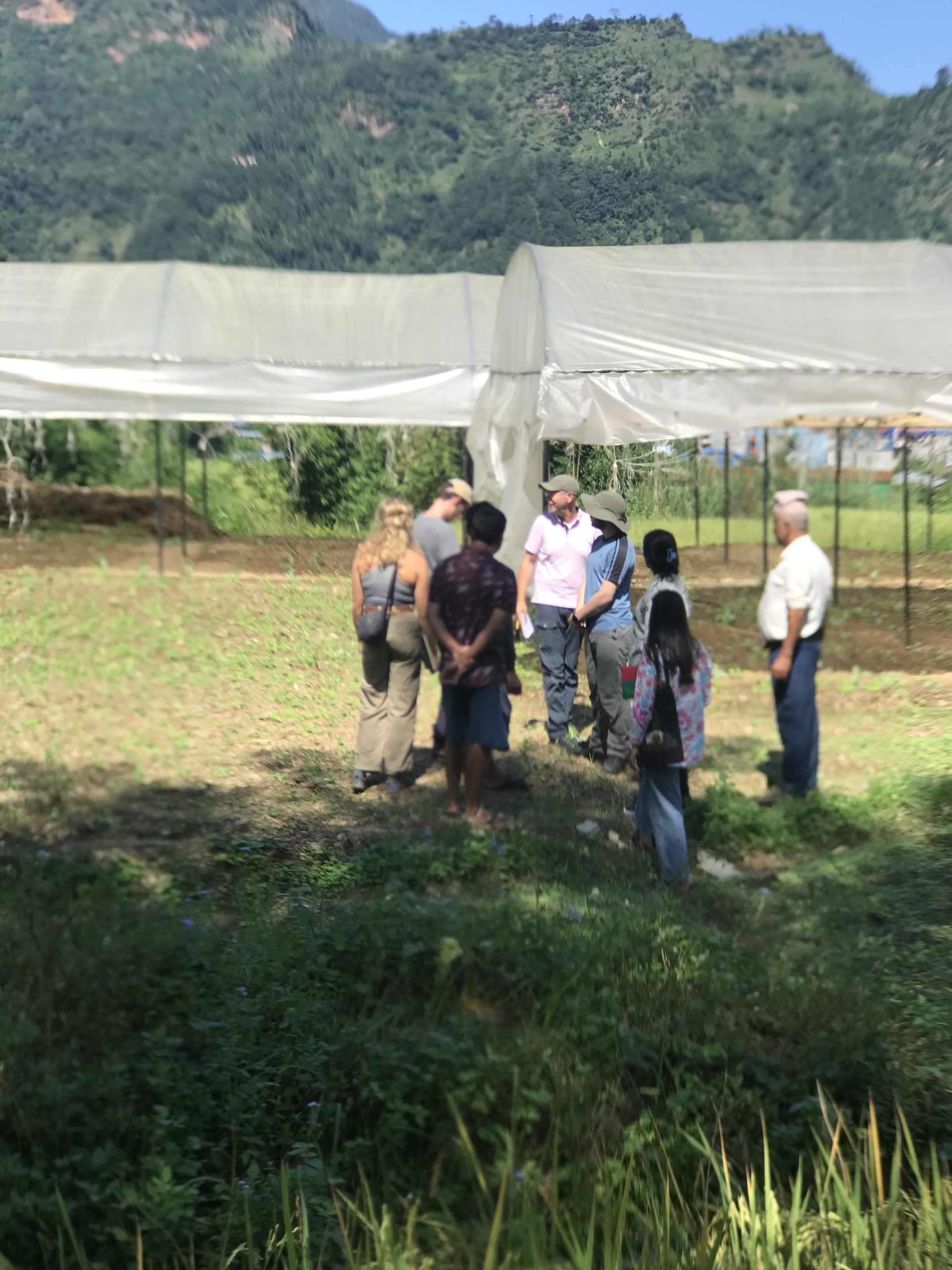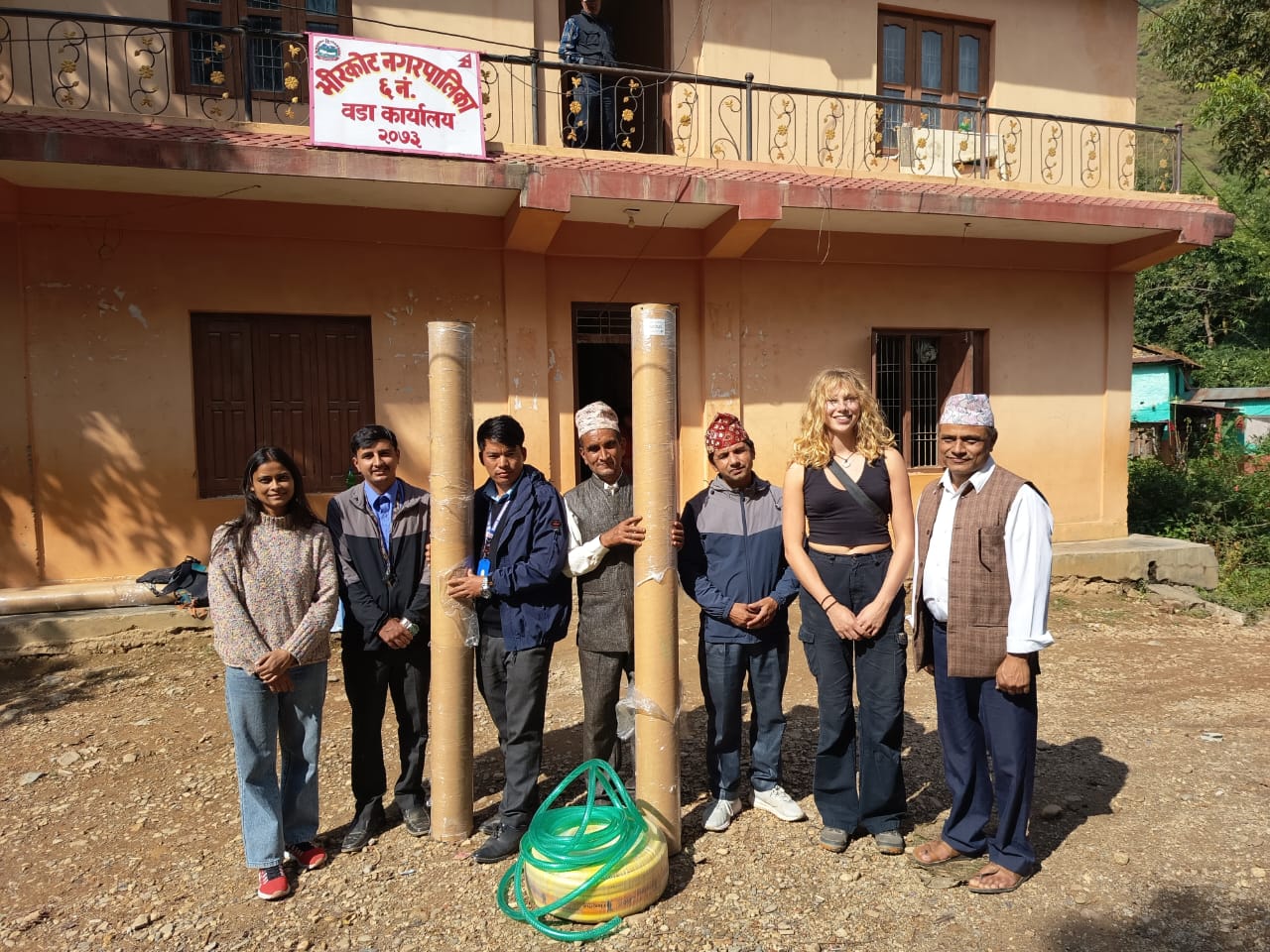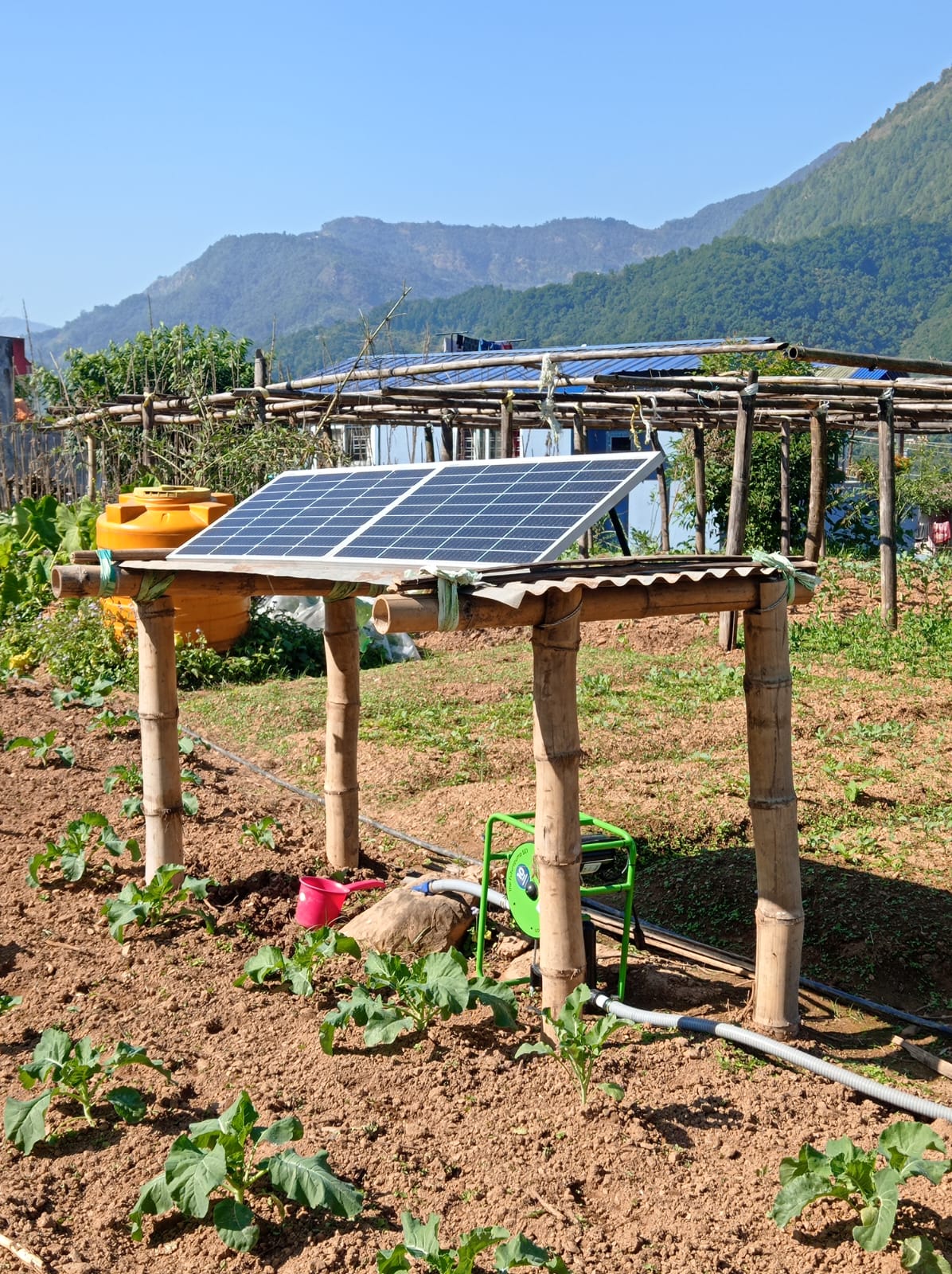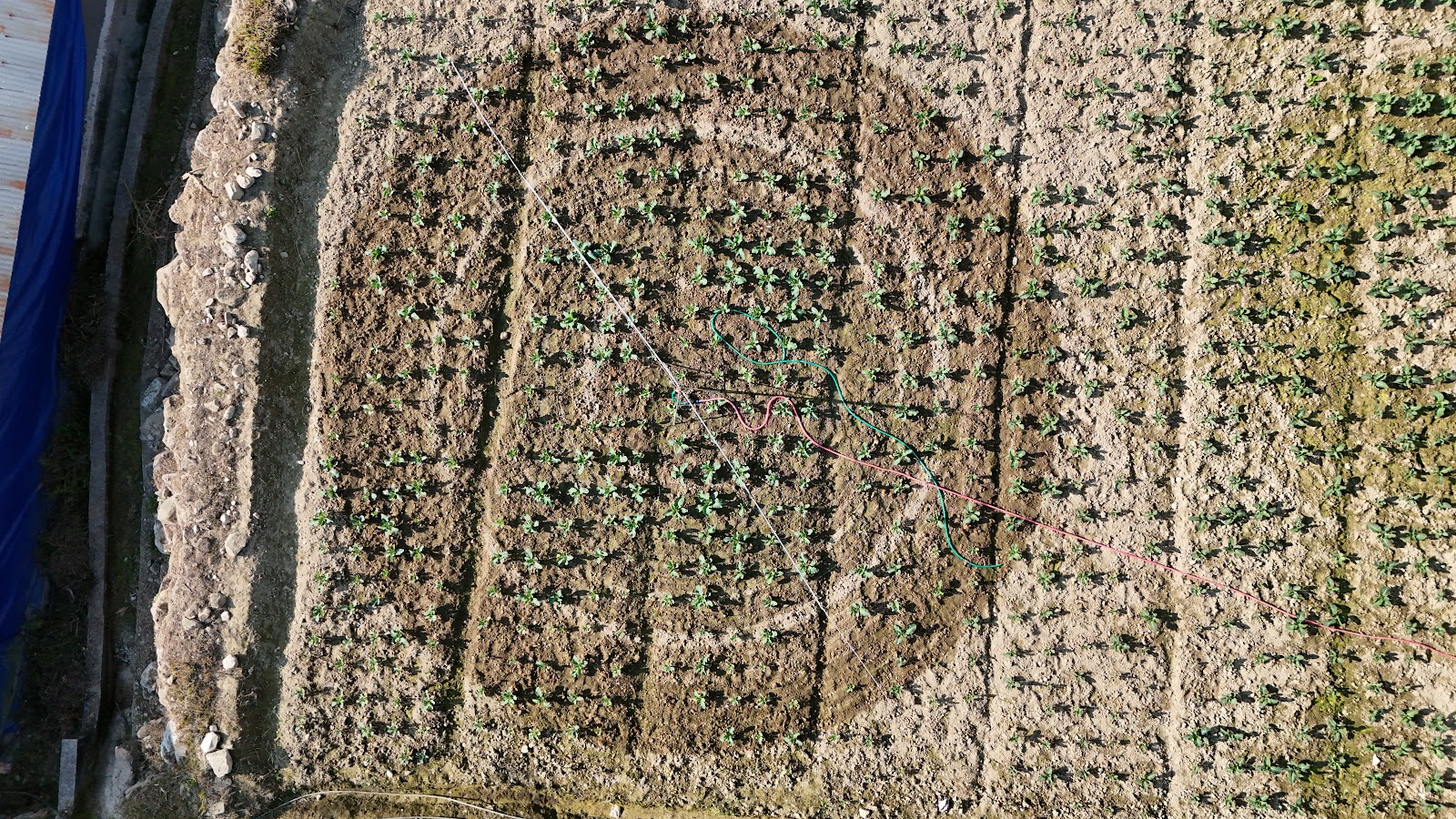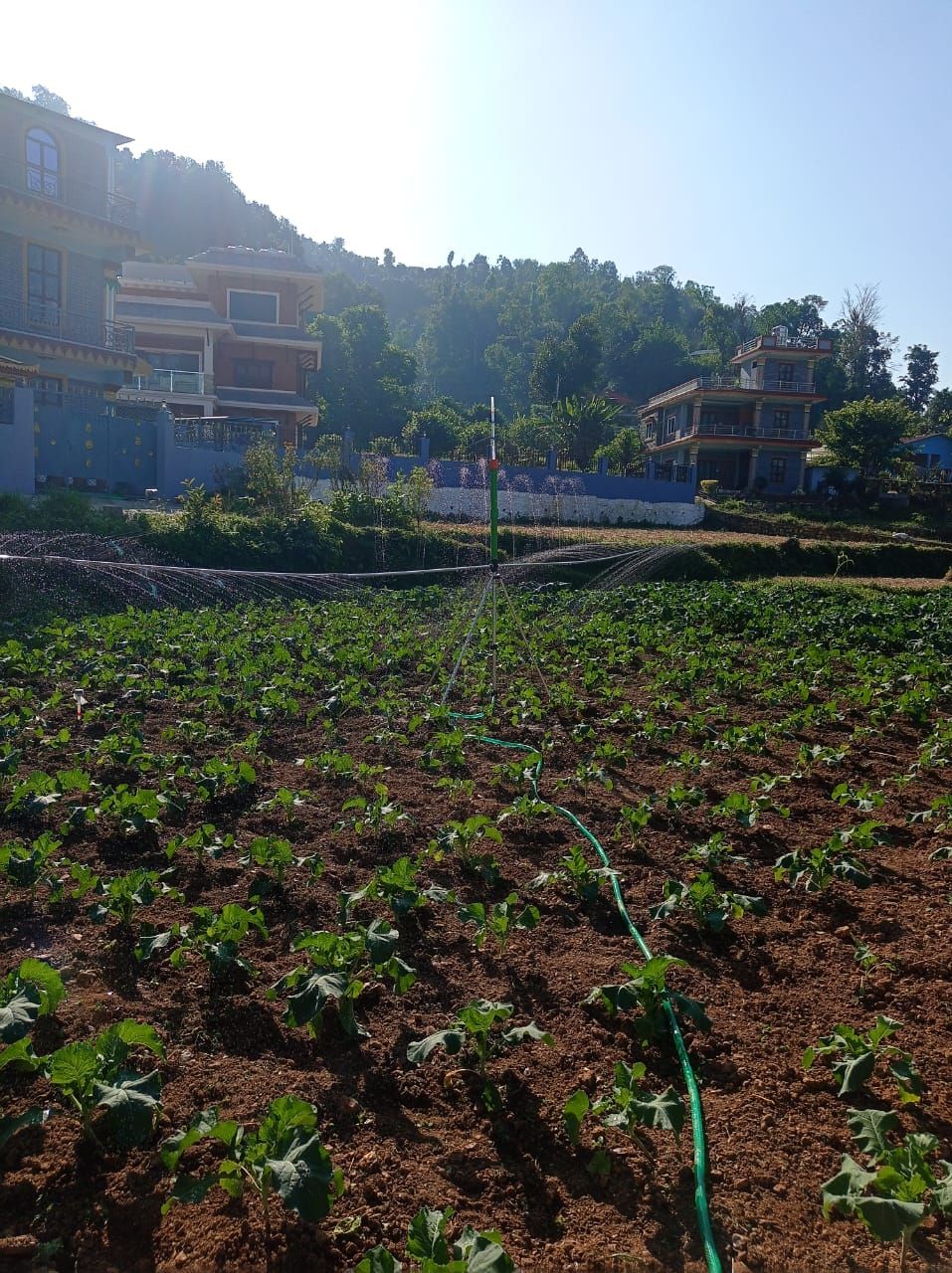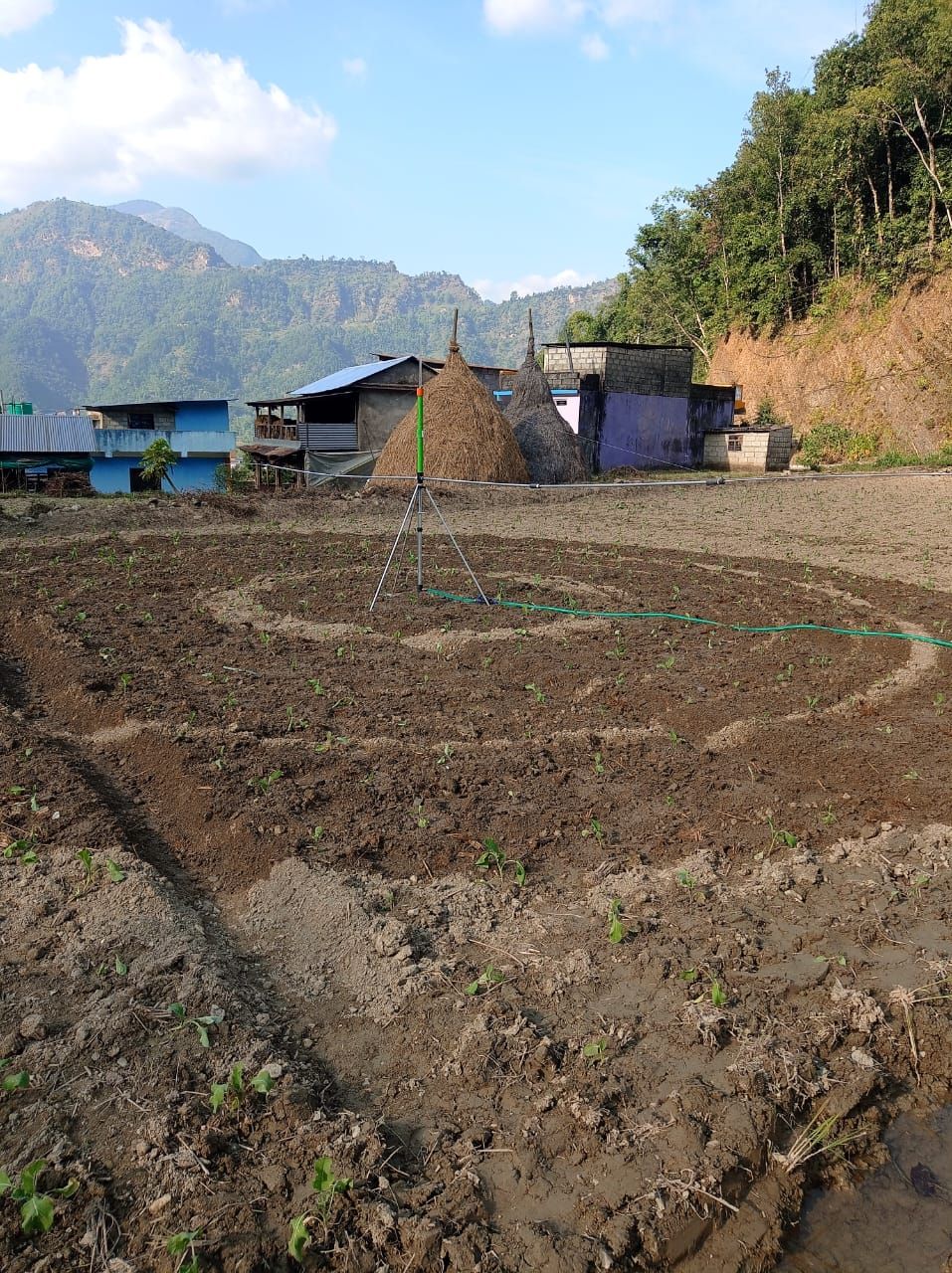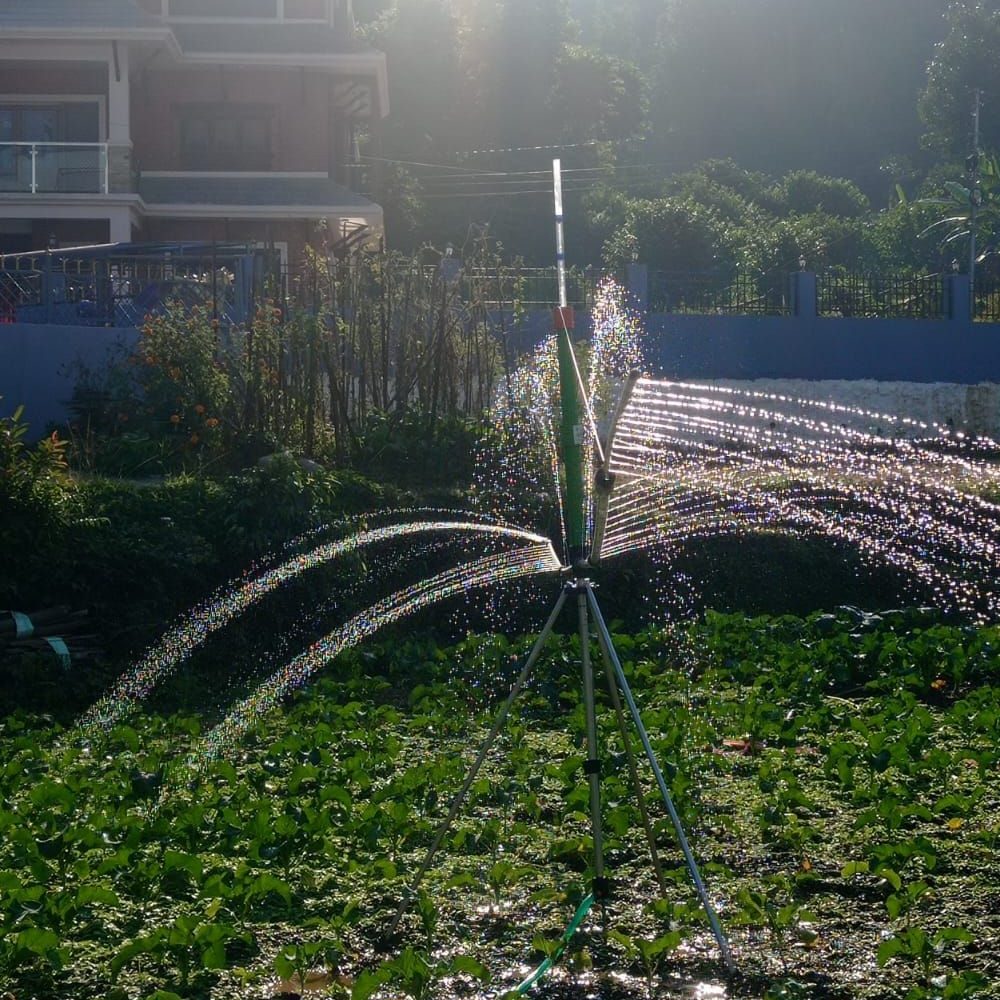
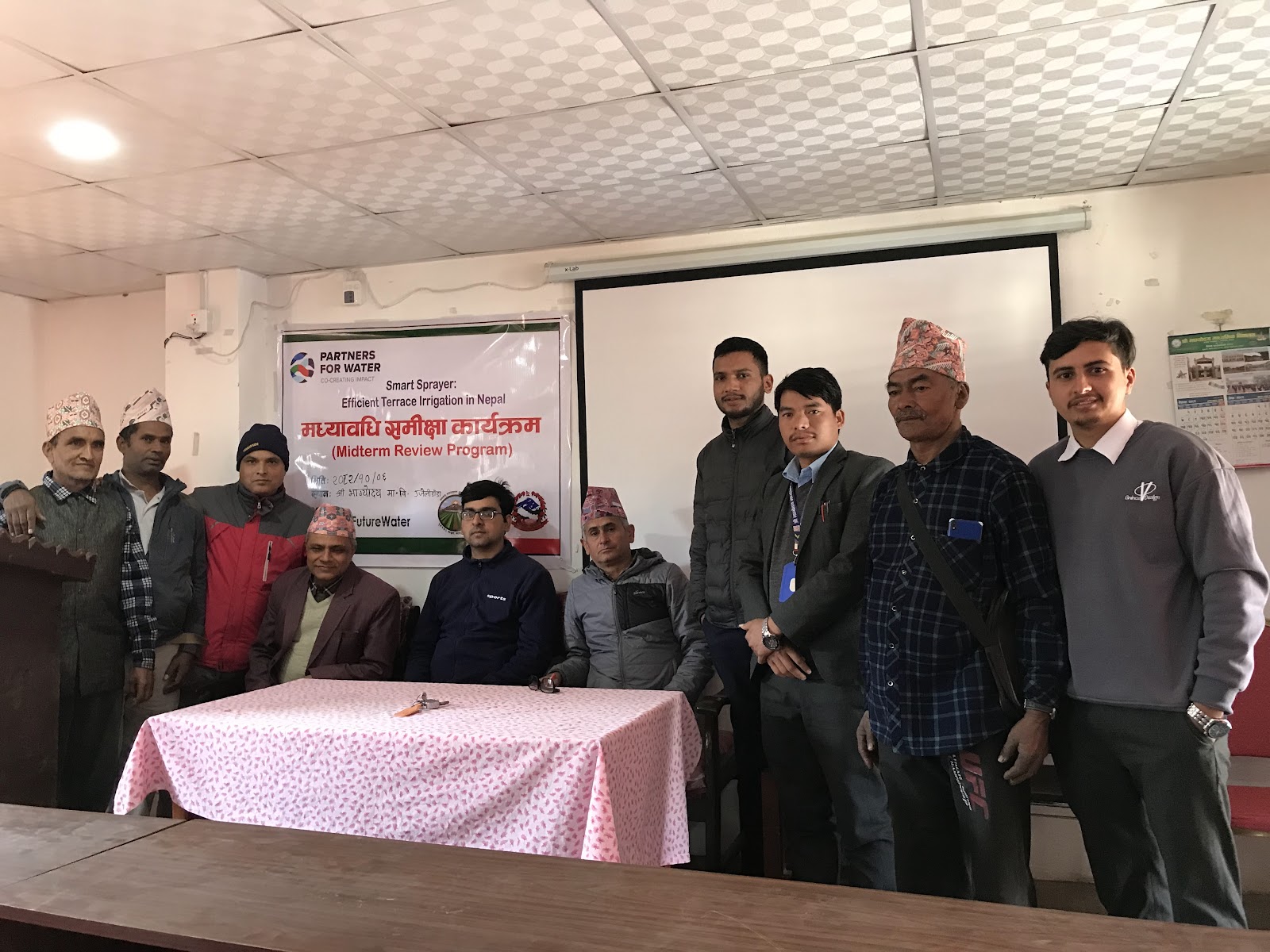
Two mid-term review meetings were recently conducted by the Climate Resilience Research Center (CRRC). The objectives of the review meeting were to update the stakeholders about the progress of the project, monitor and evaluate the effectiveness of the technology, gather stakeholder feedback, and strengthen alignment with local government priorities for the ongoing Smart Sprayer feasibility assessment.
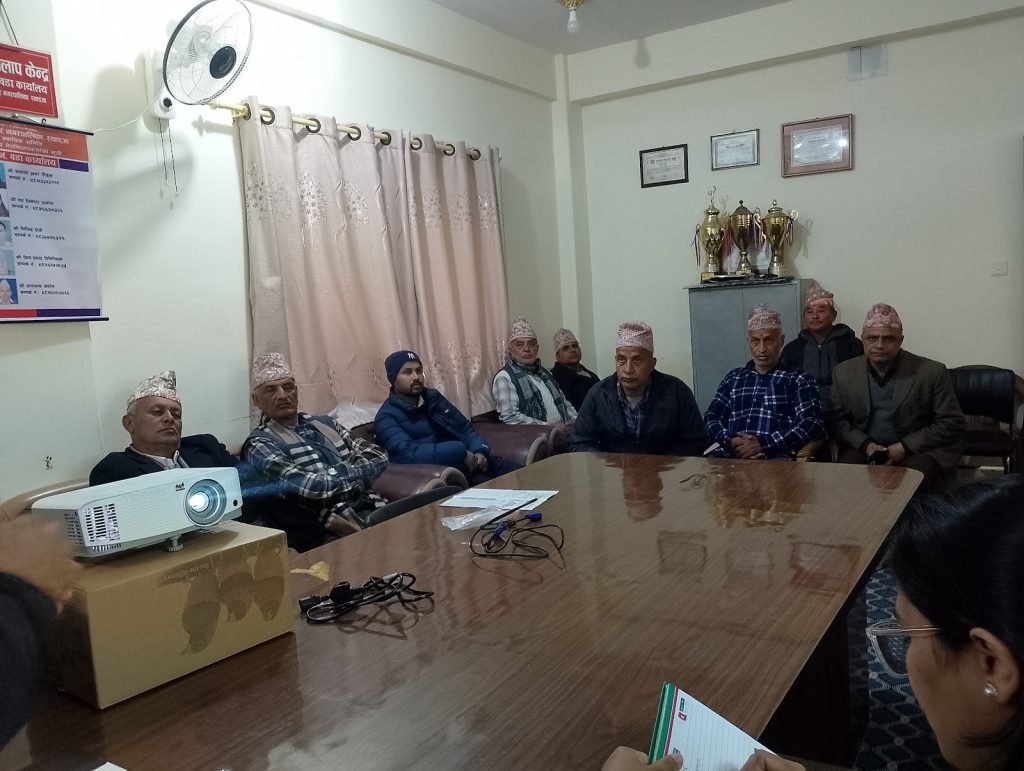
The first review meeting was held on 28 December 2025 in Ward No. 10 of Putalibazar Municipality at Rangkhola, followed by a second session on 20 January 2026 at Bhagyodaya School, Ward No. 6, Ujelidanda in Bheerkot Municipality. Both events brought together key stakeholders including municipal officials, representatives from the Agriculture Knowledge Centre (AKC), technical staff from municipal agriculture departments, and participating farmers. Across both municipalities, stakeholders reported good progress and positive responses to the Smart Sprayer technology. Participants reported technology’s effectiveness in saving time, water, and labor while enabling timely and need-based irrigation.
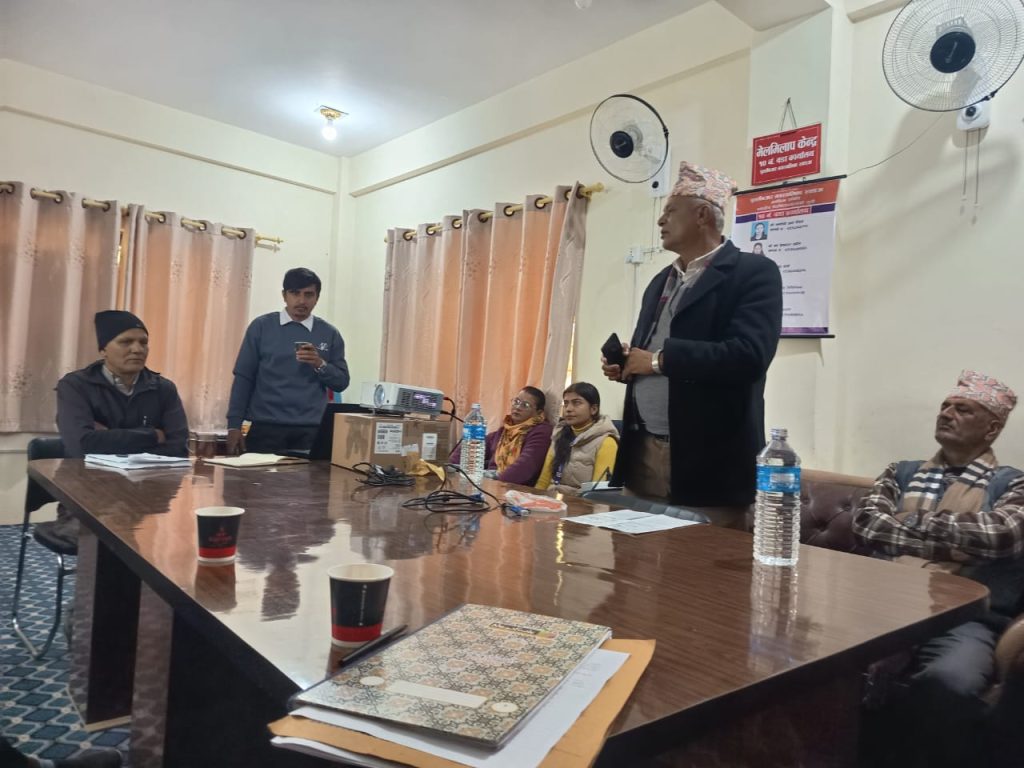
The Agricultural department of Putalibazar shared that the technology has a significant potential for wider scaling across multiple crops, including high-value crops such as onion and garlic. Officials from the Agricultural Knowledge Centre (AKC) shared that the technology is relevant in addressing timely irrigation needs of farmers in Syangja. The Mayor of Putalibazar Mr. Tulsi Ram Regmi highlighted that irrigation has traditionally involved high initial input costs for farmers, and that the promoted technology is expected to reduce these costs over time. The municipality views the feasibility study positively and indicated intent to discuss potential incorporation of the technology into future municipal budget programs.
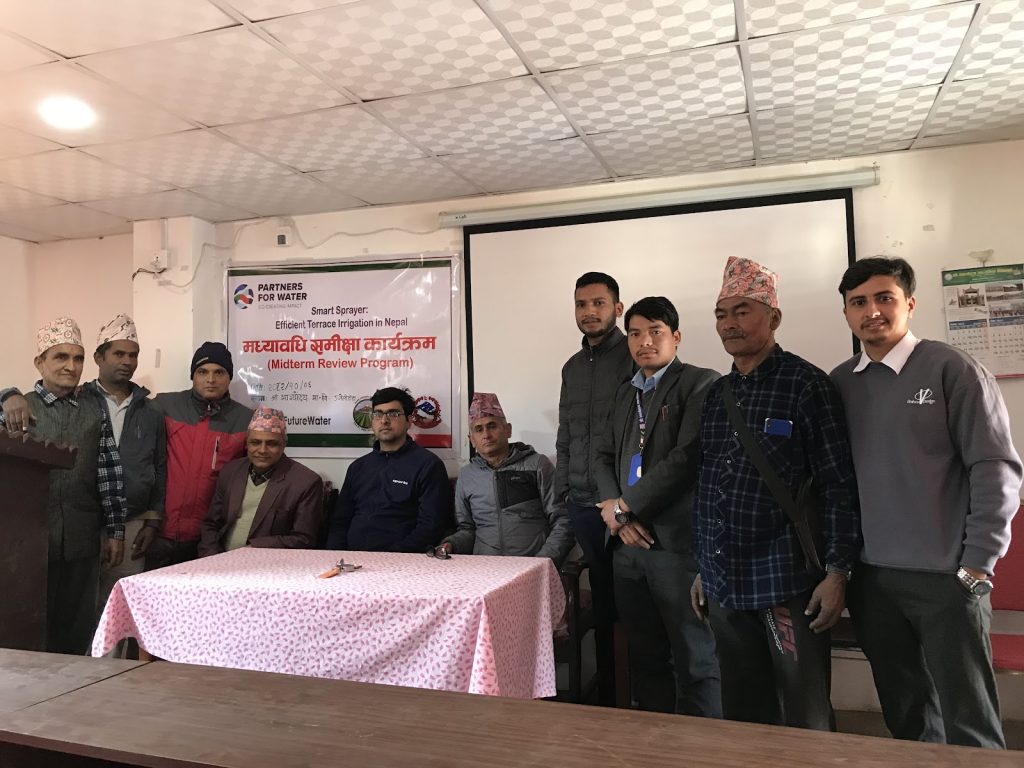
Both municipalities indicated willingness to consider integrating the technology into future budget programs, increase field-level support, and refine the design to suit smaller landholdings, reflecting growing local ownership, institutional support, and commitment to broader adoption and sustainability.
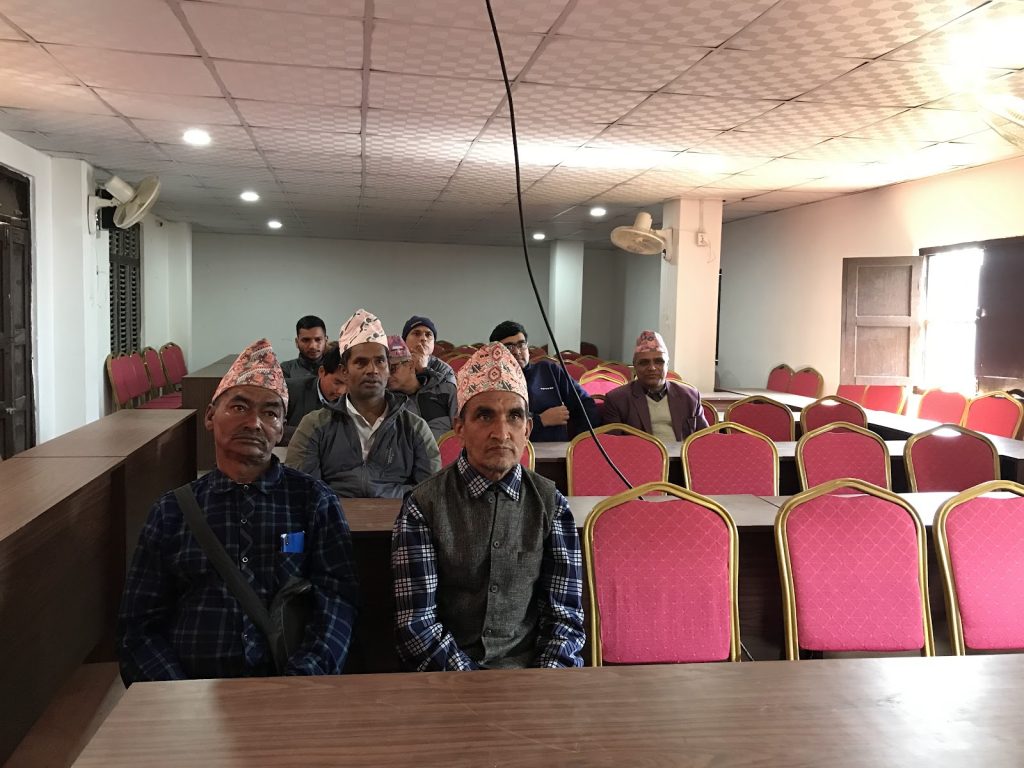
Municipal leaders and technical officials expressed willingness to remain engaged and consider integration of the technology into future municipal budget programs, while committing to increased field-level support. Farmers shared high satisfaction and optimism regarding increased productivity and resource efficiency, and suggested further design refinement to better suit small landholdings.
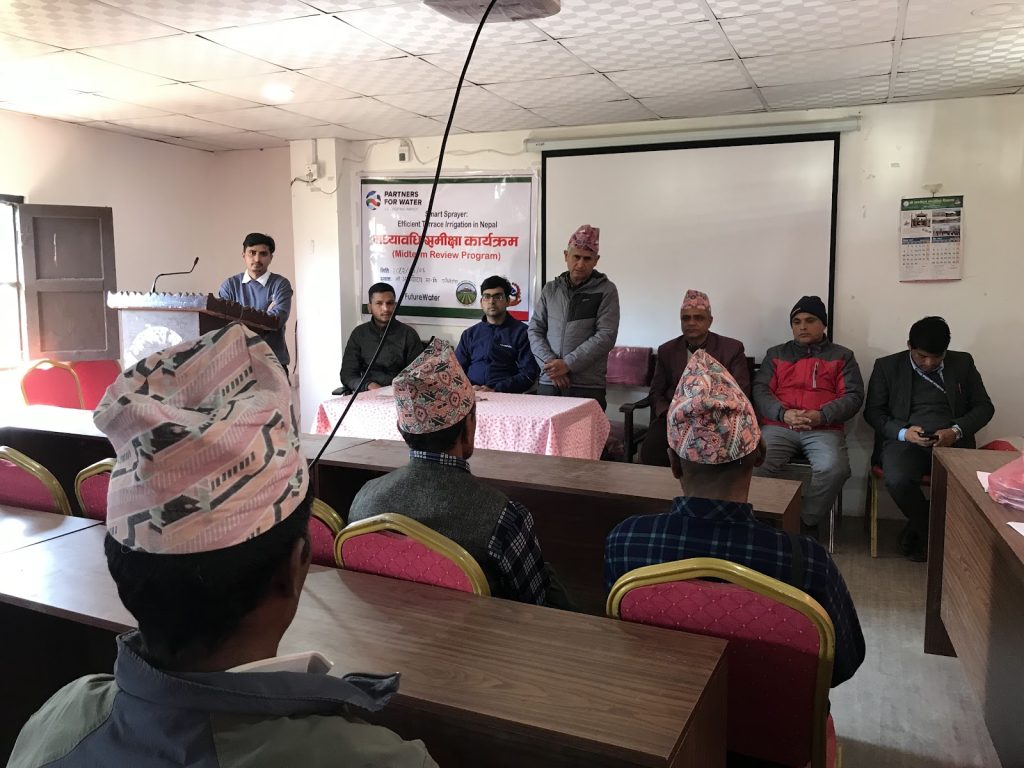
Overall, the reviews reflected growing local ownership, institutional confidence, and a supportive environment for continued implementation, learning, and future scaling of the intervention.