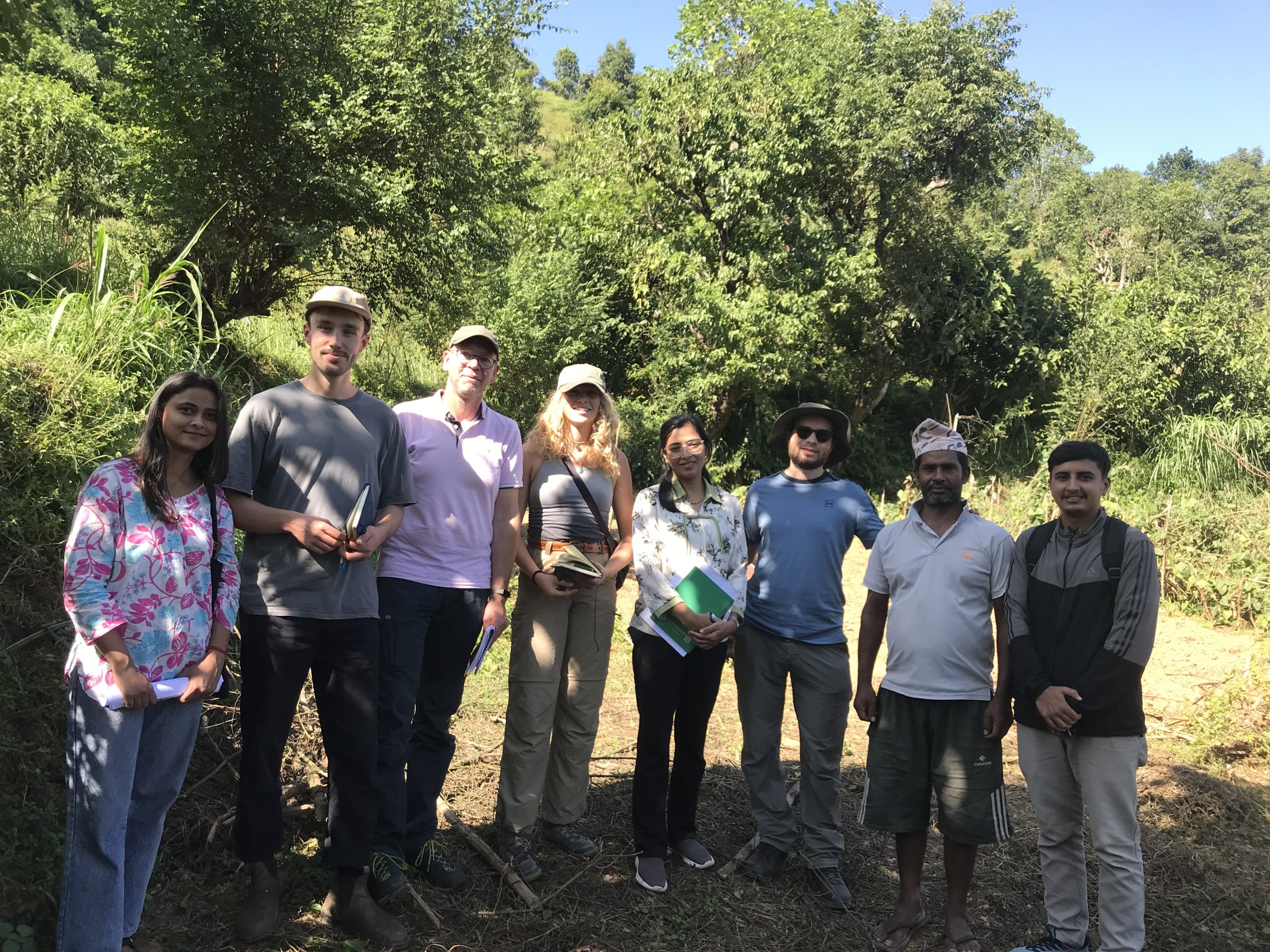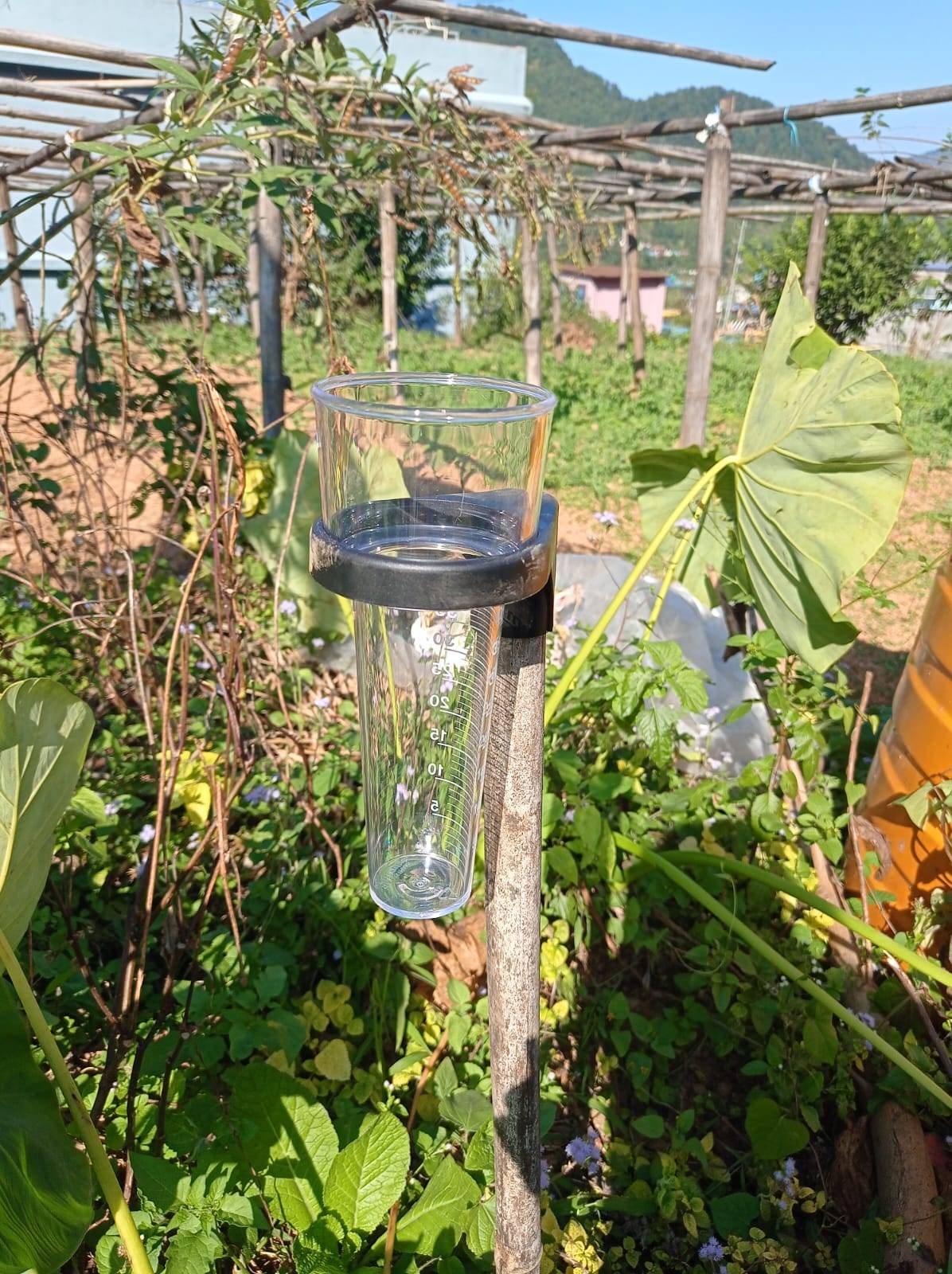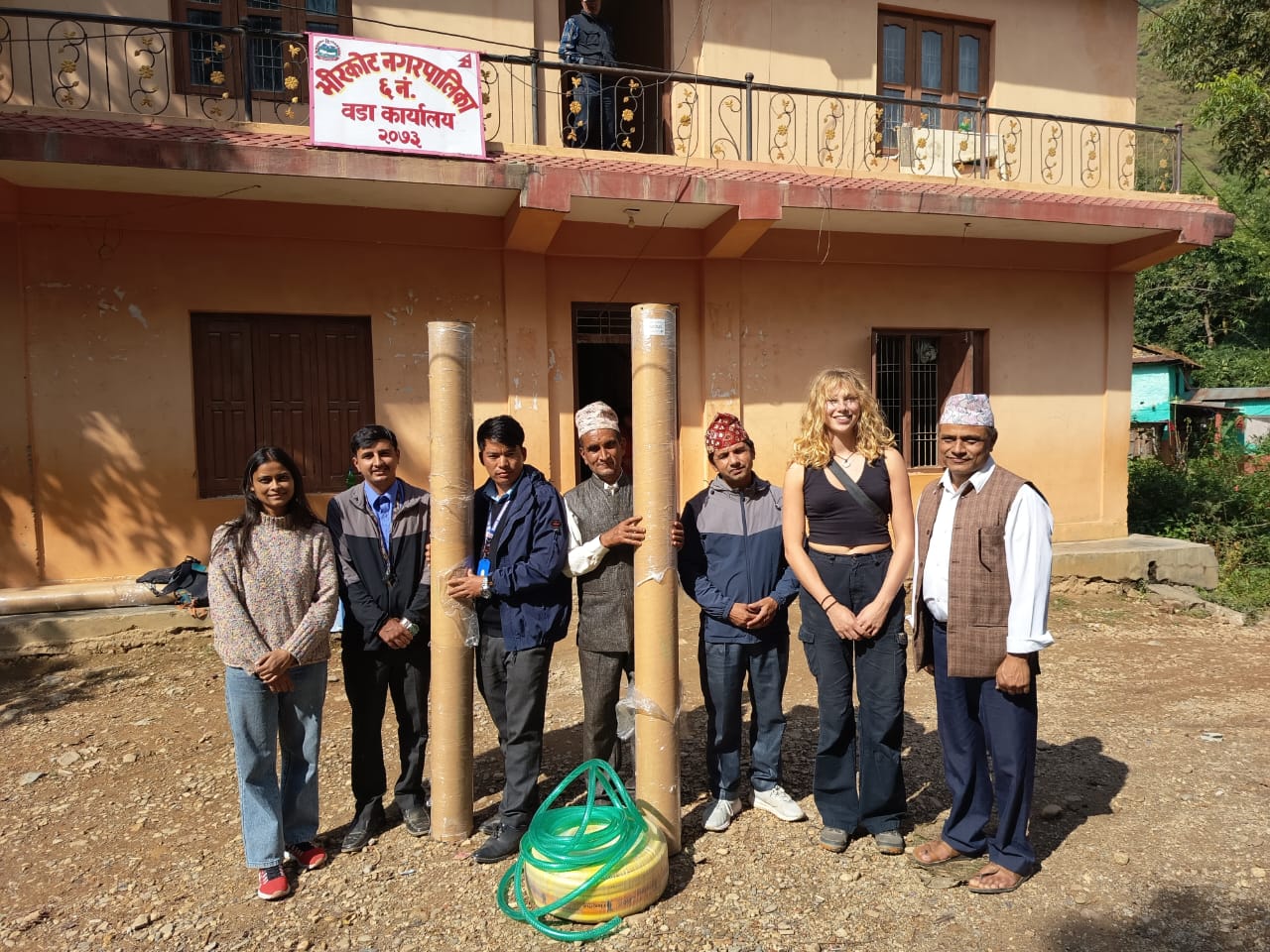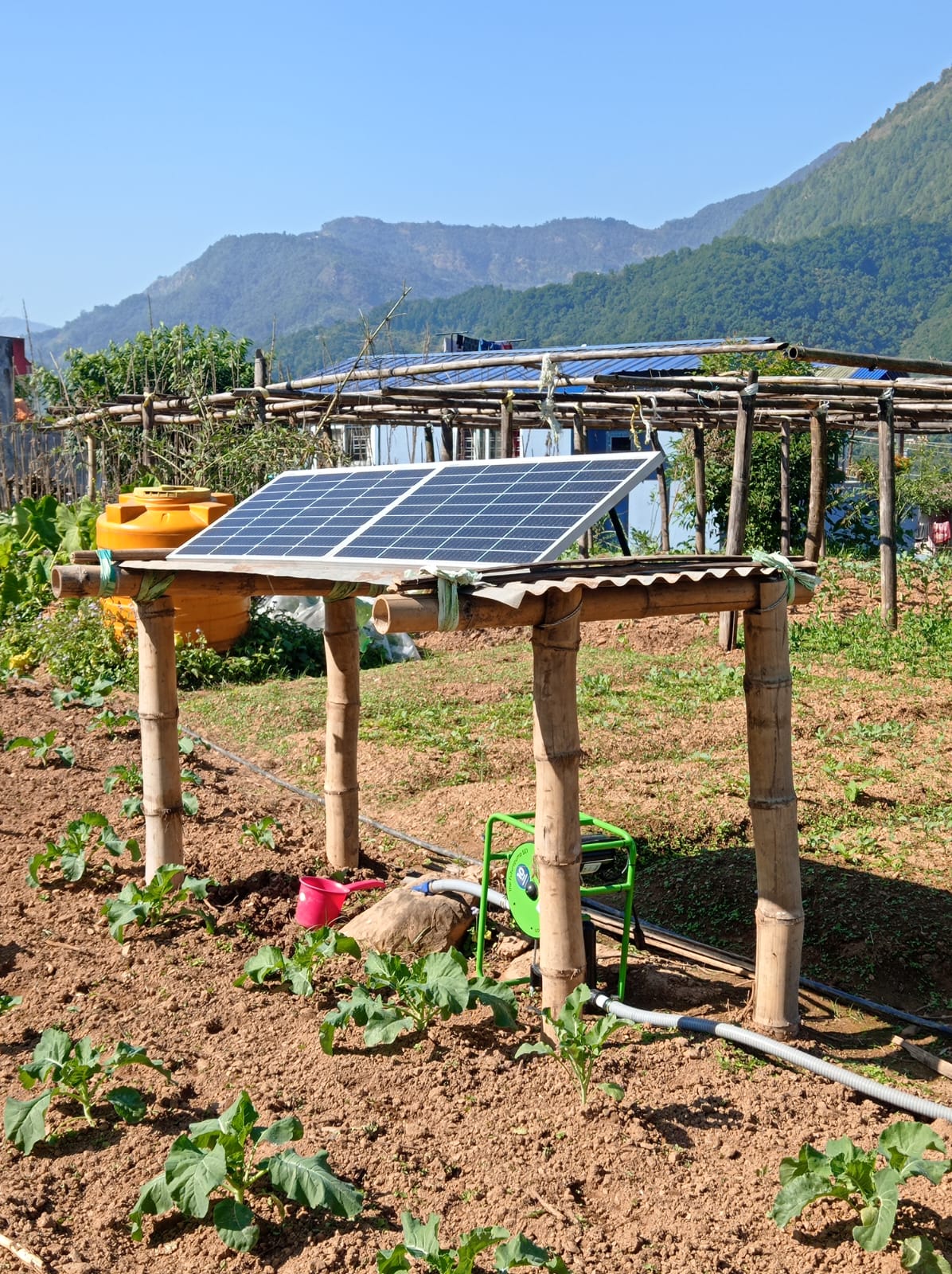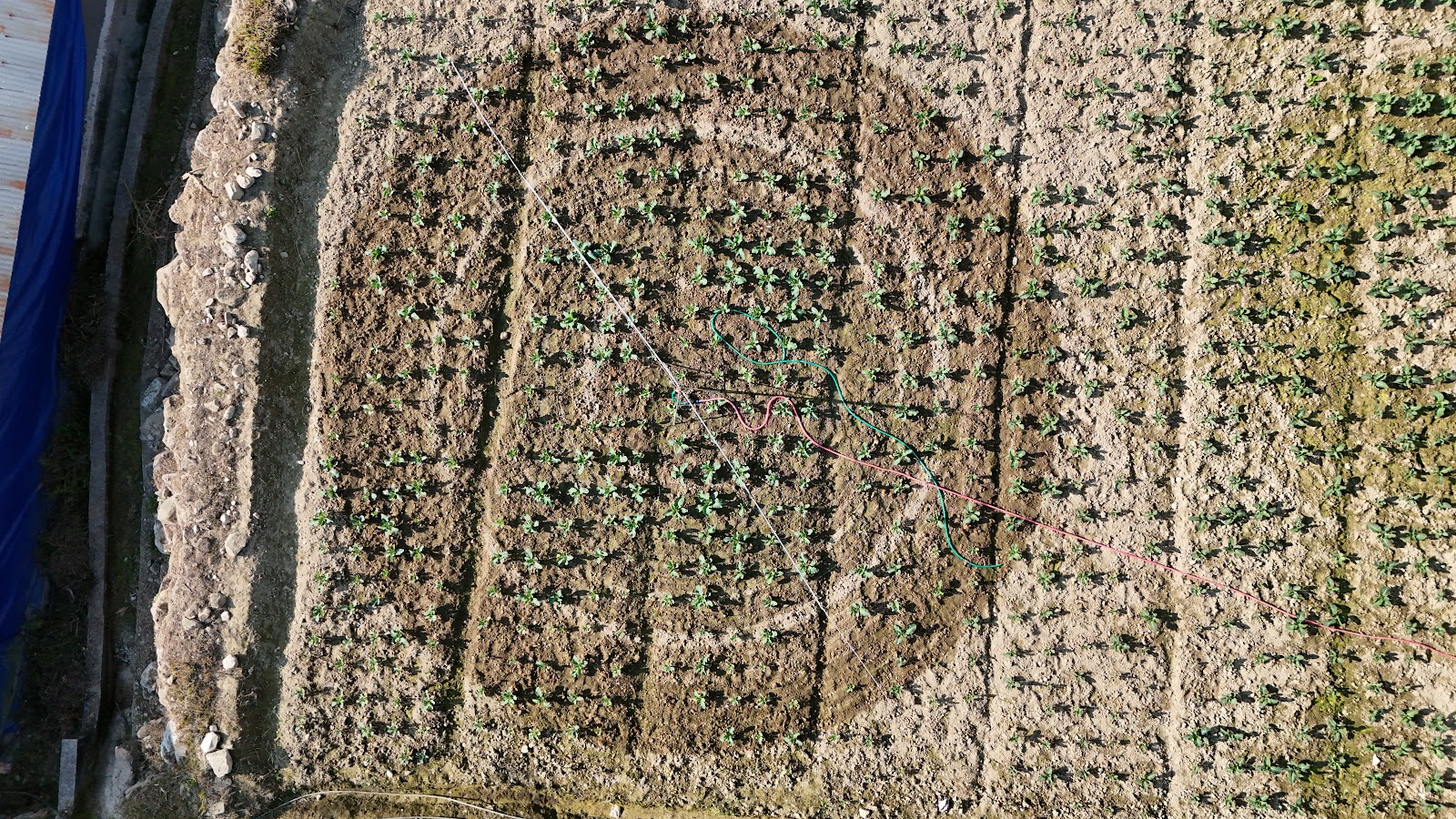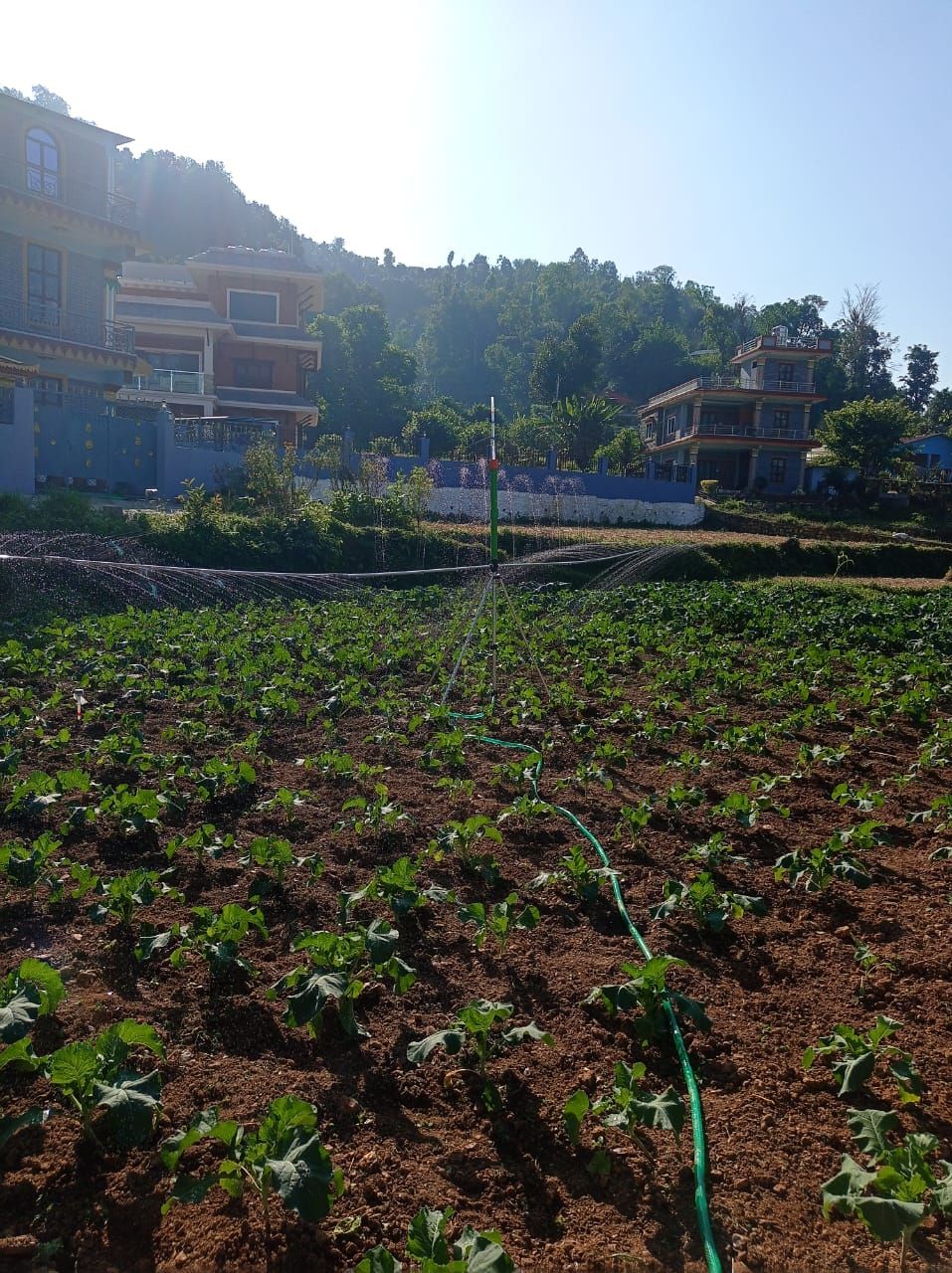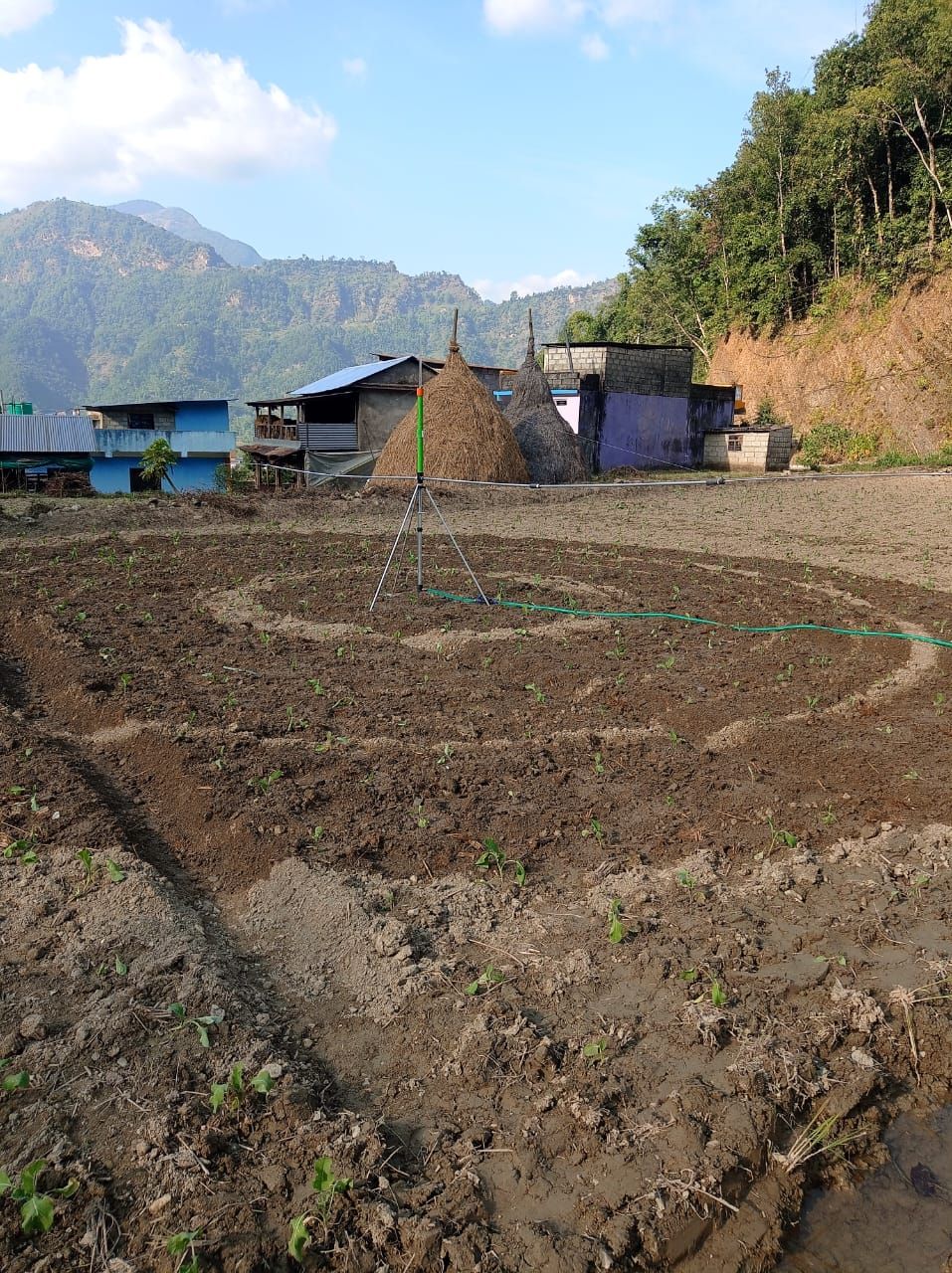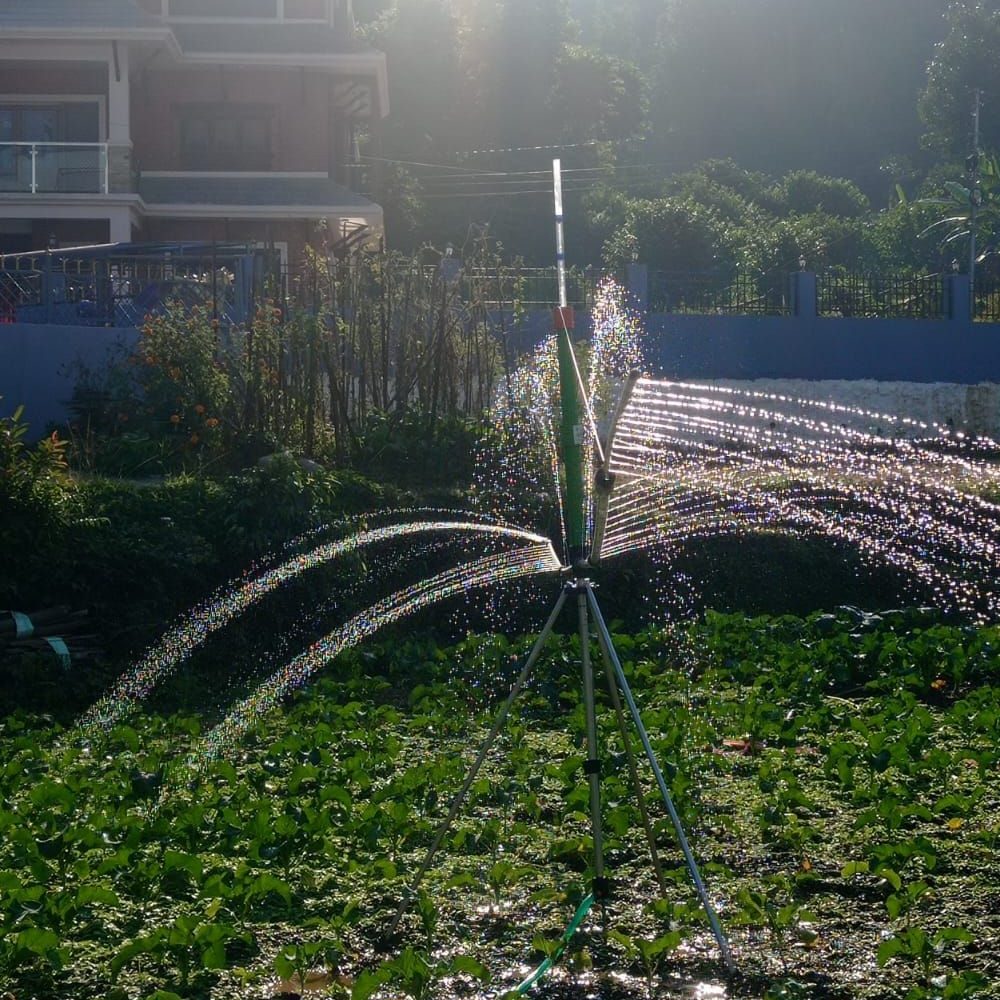
The Climate Resilience Research Center (CRRC), in partnership with FutureWater and Practica, is implementing “Smart Sprayer: Efficient Terrace Irrigation in Nepal” in Putalibazar and Bheerkot municipalities of Syangja District. The project aims to address the growing challenge of dry-season water scarcity faced by smallholder farmers, particularly in terrace-based farming systems of the mid-hills.
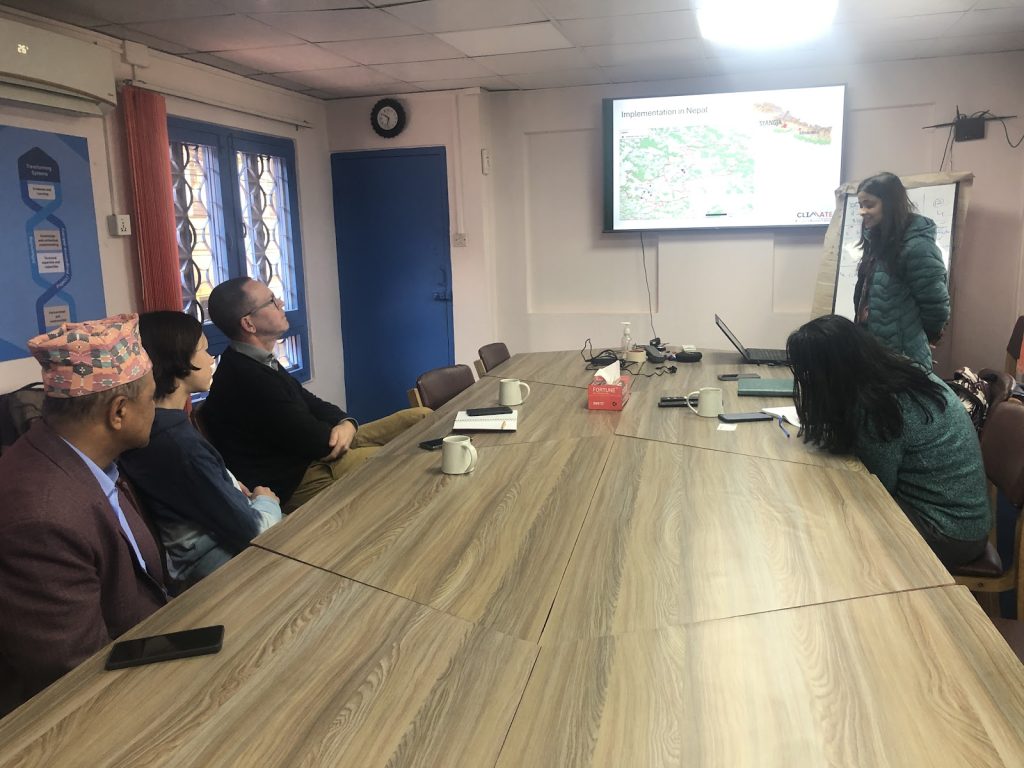
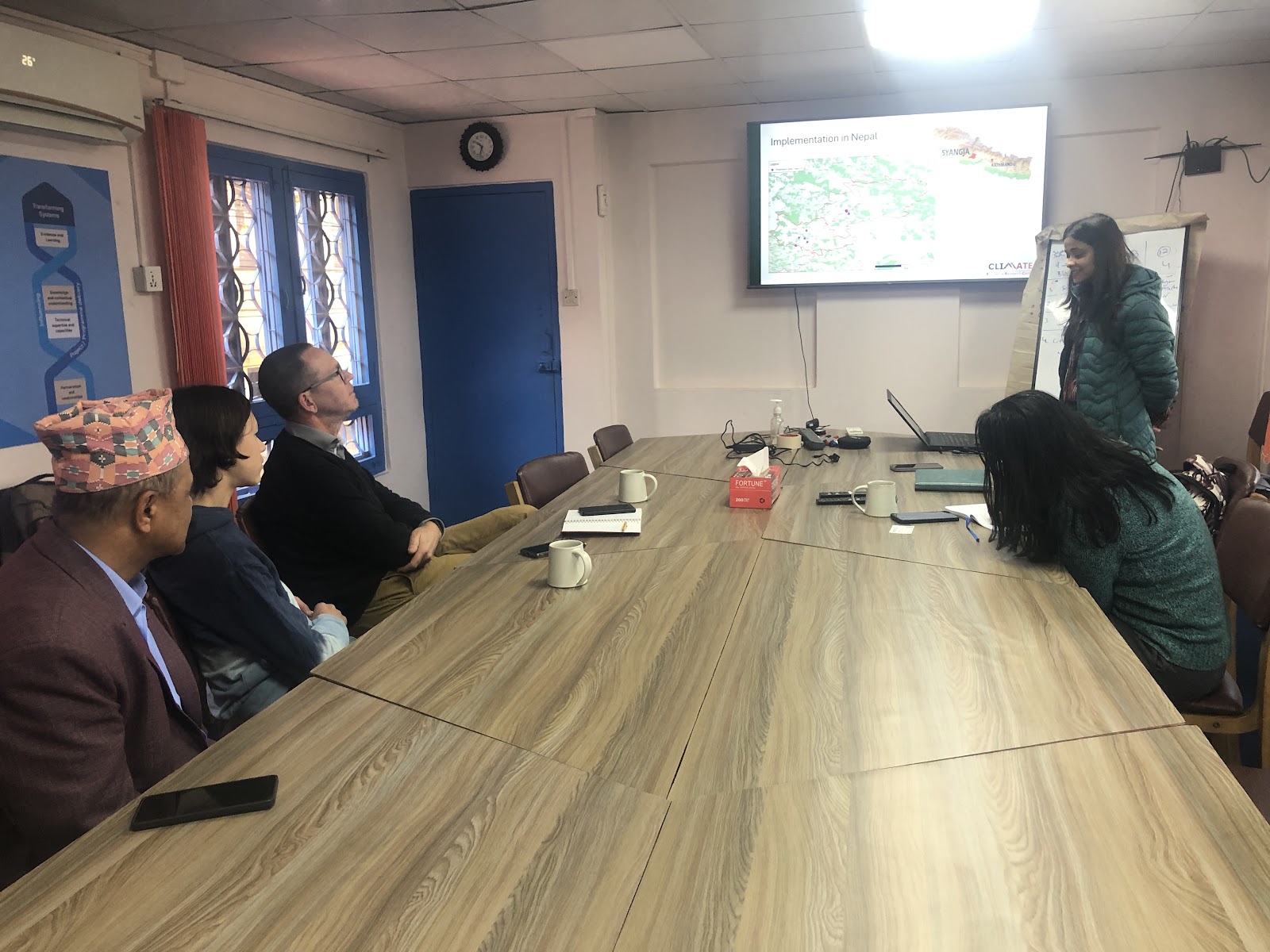
CRRC and Practica, held a meeting with SNV on 18 February 2026 at SNV’s office in Sanepa Heights, Lalitpur. The meeting focused on discussing the Smart Sprayer project, its potential for scale-up, and key implementation challenges related to irrigation, governance, and farmer adoption.
The CRRC team and Jan Nederstigt from Practica were welcomed by Ms. Arya Sarad Gautam, Project Manager at SNV. Following brief introductions, Kajol Pandey and Shankar Lamichhane presented an overview of CRRC and the Smart Sprayer project, highlighting its objectives, field experiences, and relevance for smallholder farmers in water-scarce areas.
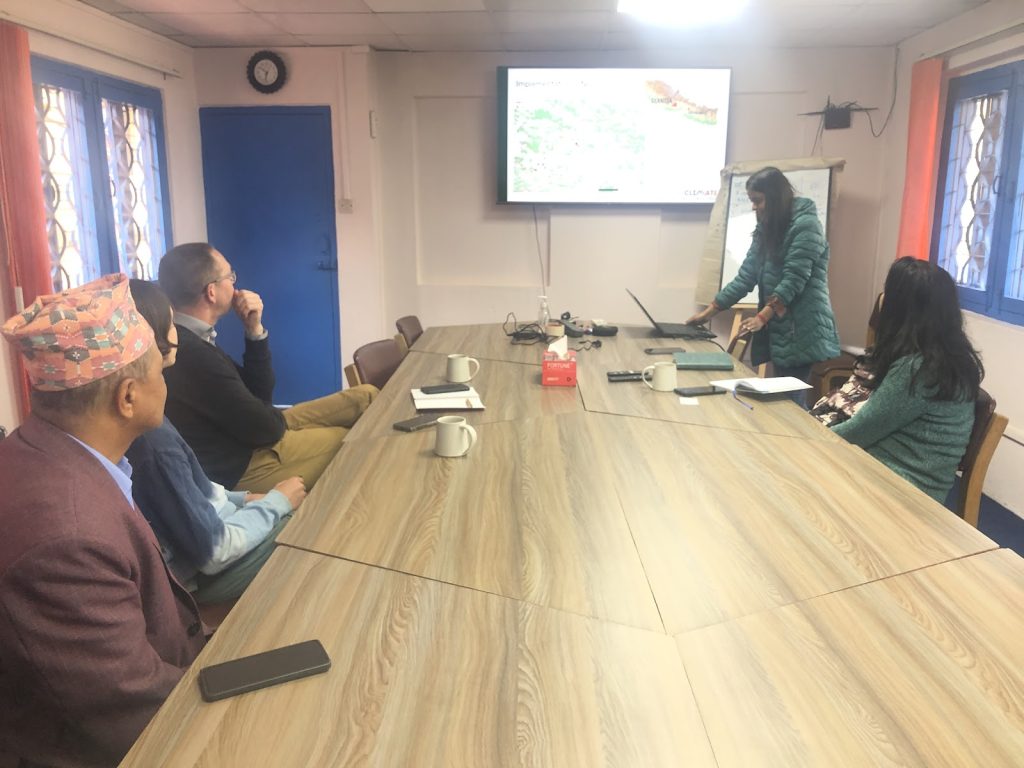
During the discussion, Ms. Gautam raised three key concerns. The first related to scaling up the technology and ensuring that the Smart Sprayer remains affordable and commercially viable, without long-term dependence on subsidies. The second focused on the importance of strong linkages with government institutions and the potential social challenges when working through community groups. The third concern addressed the availability of year-round water, particularly the seasonal and irregular flow of streams used for irrigation.
The Smart Sprayer project team clarified that the current phase is focused on feasibility testing, with plans to move into a second pilot phase before exploring wider commercial expansion. The team also emphasized that the project has been working closely with local governments by involving municipal officials in project activities to ensure coordination and shared ownership. To address water scarcity, the team discussed the use of small and community-level storage tanks as a possible solution, noting that social challenges are expected to be manageable given the focus on smallholder farmers.
Overall, the meeting enabled an open and constructive exchange of ideas and highlighted important considerations for strengthening the Smart Sprayer project as it moves toward future phases and broader adoption.