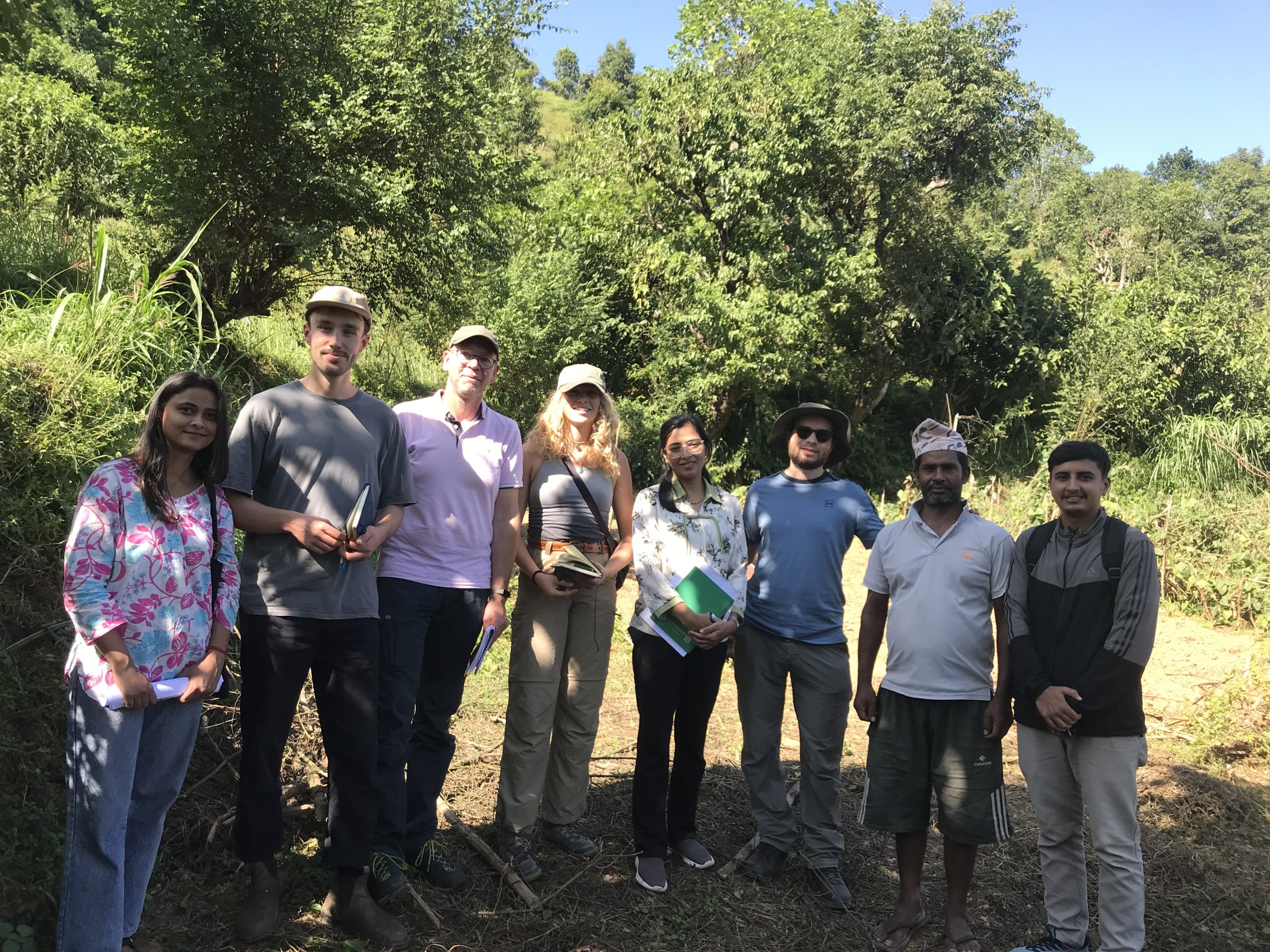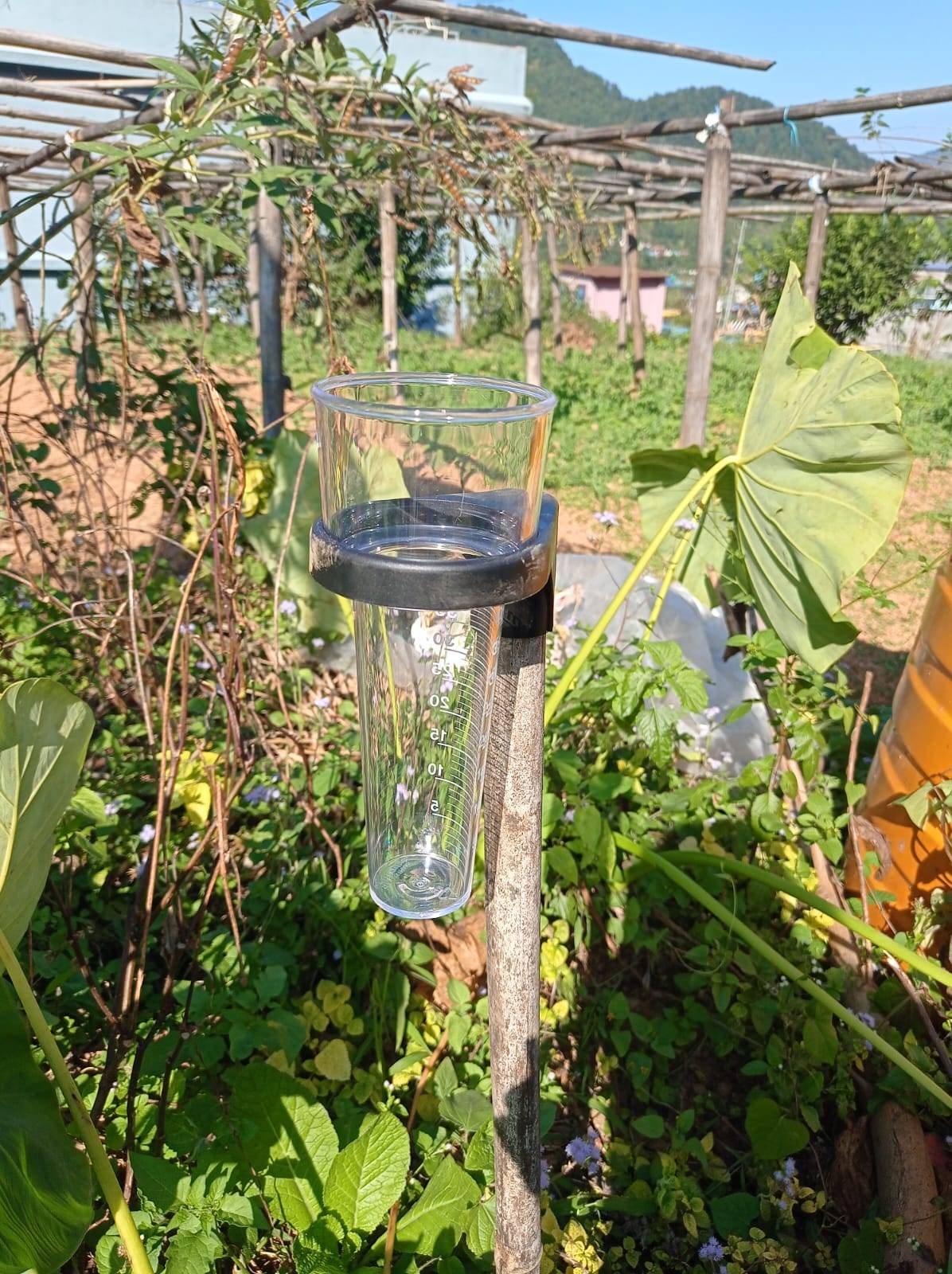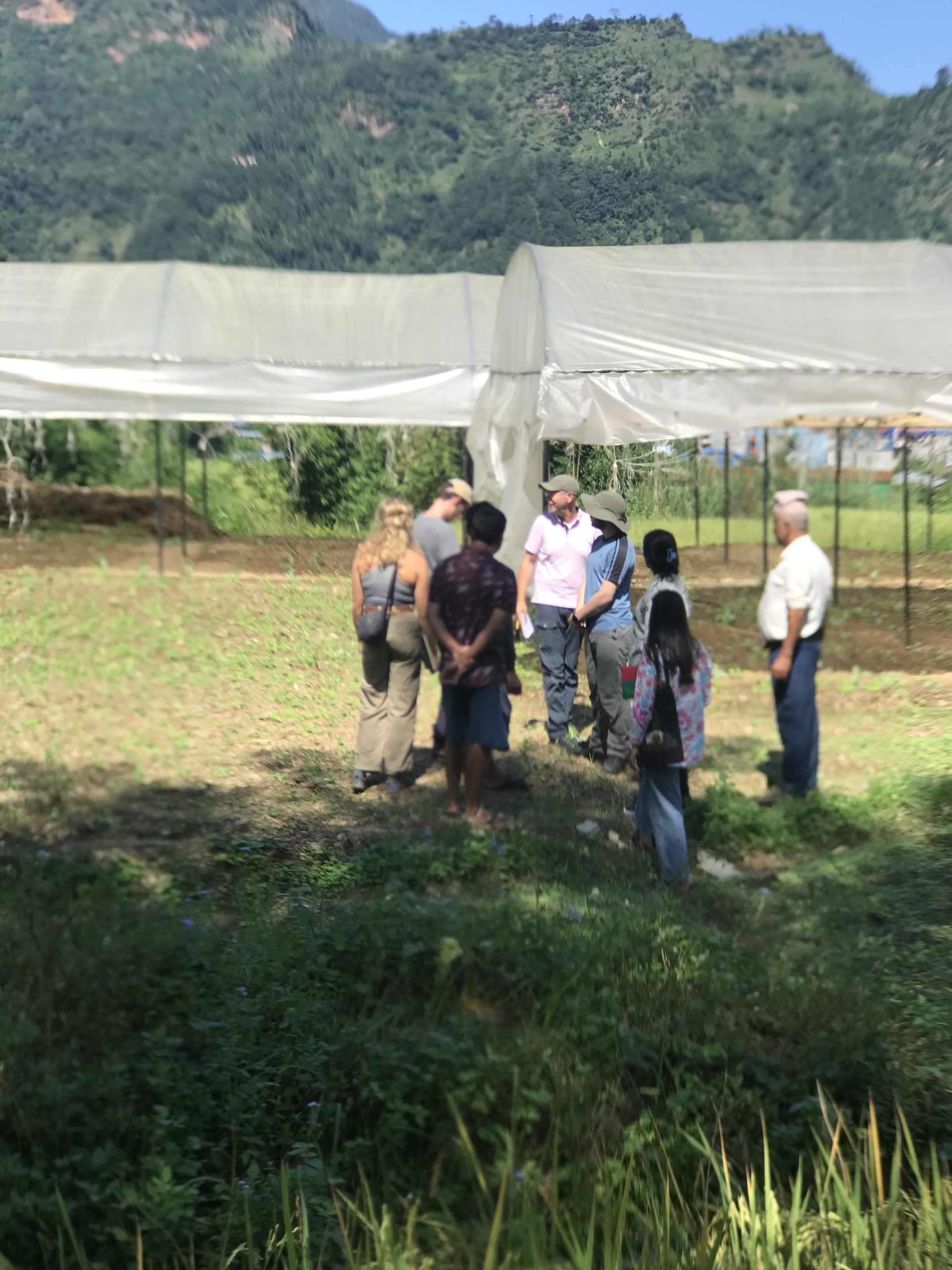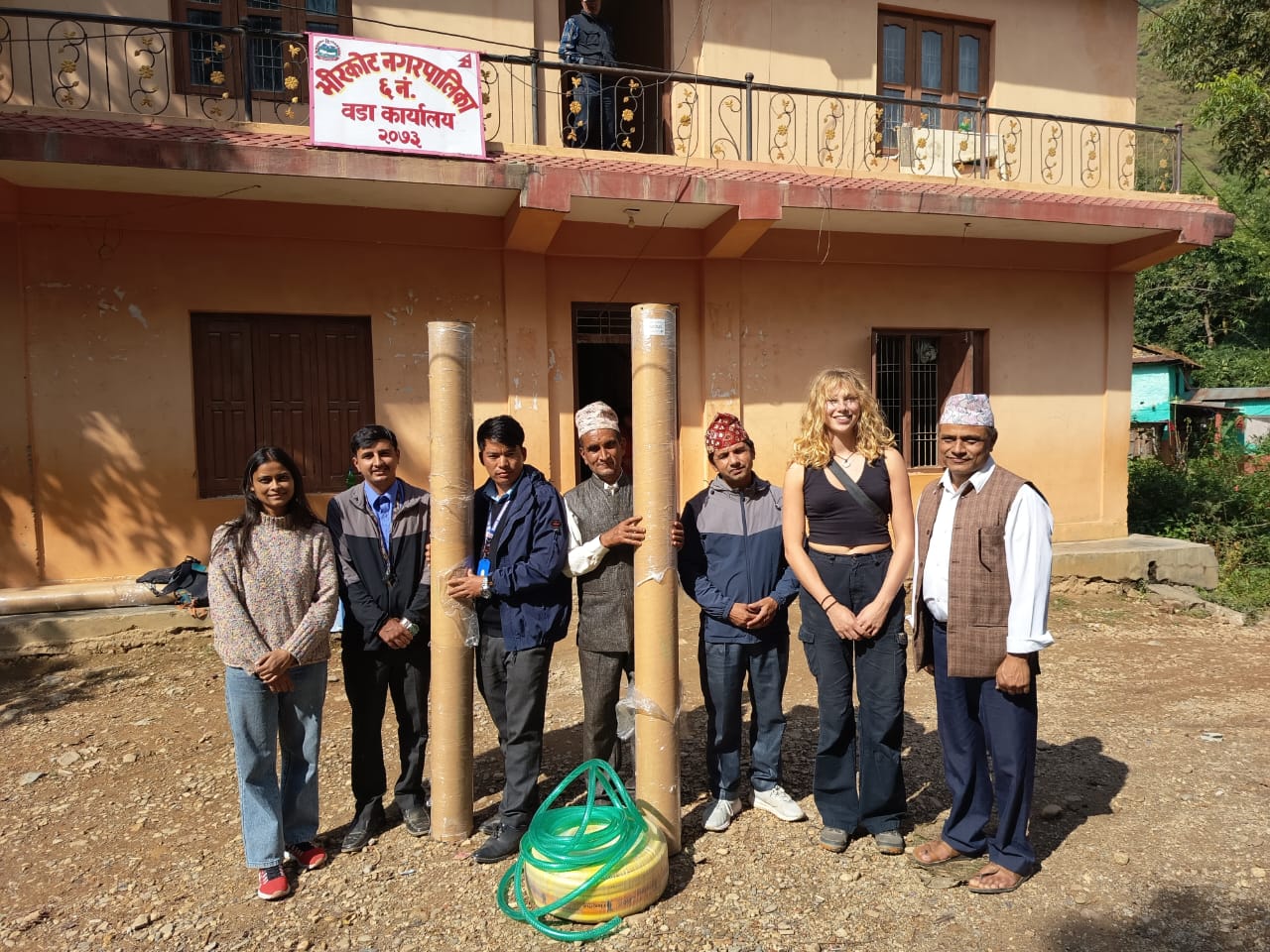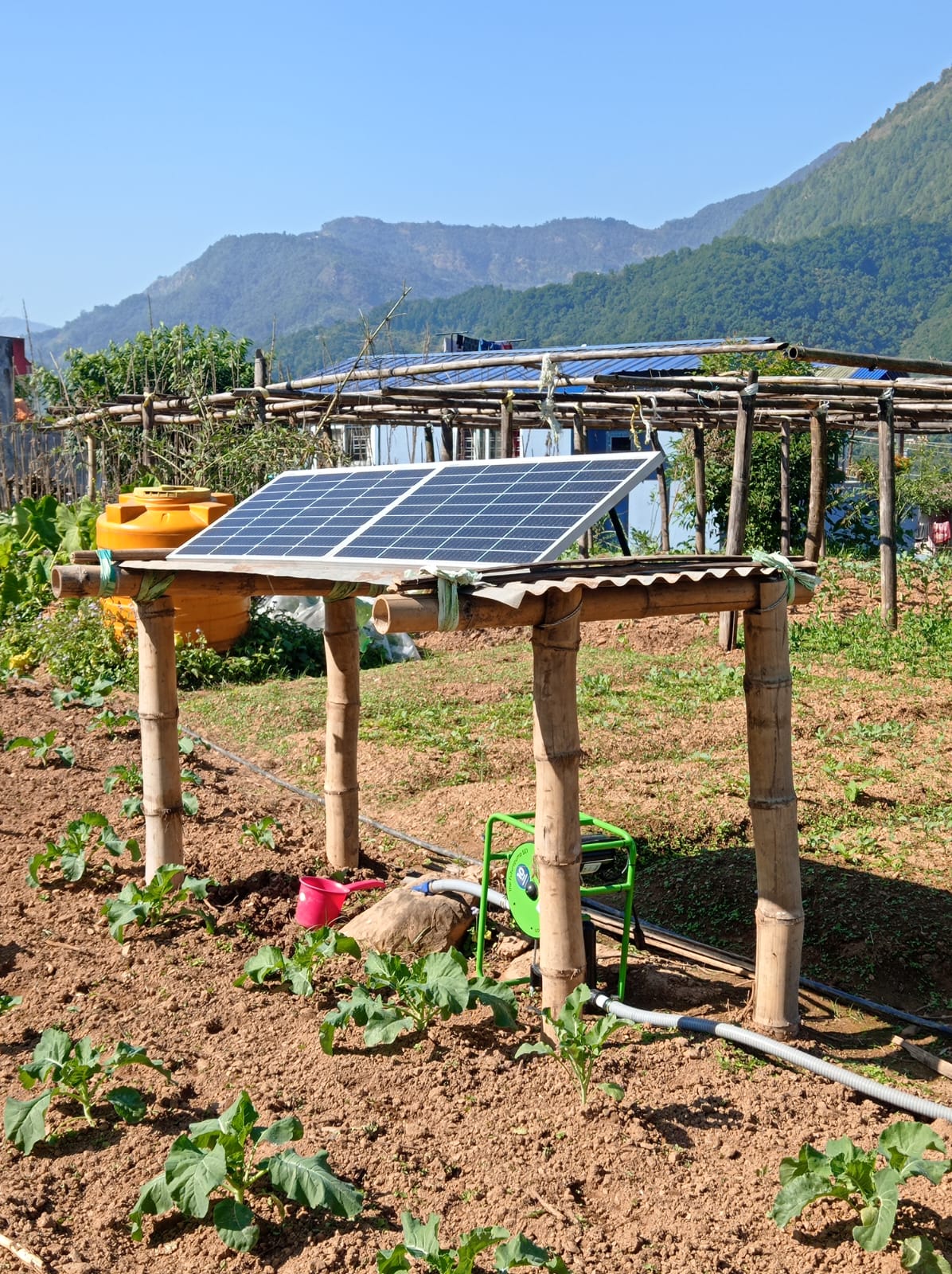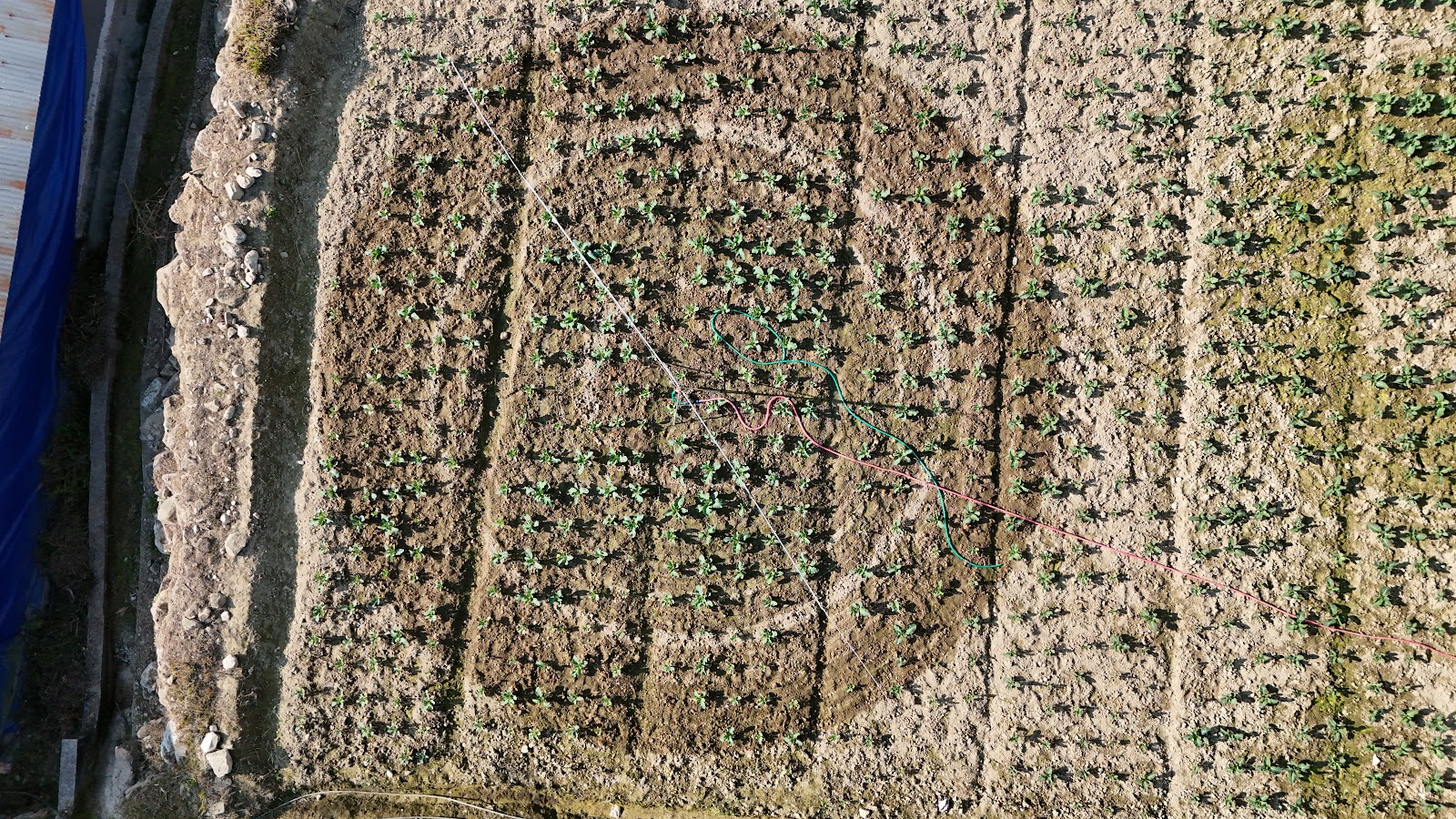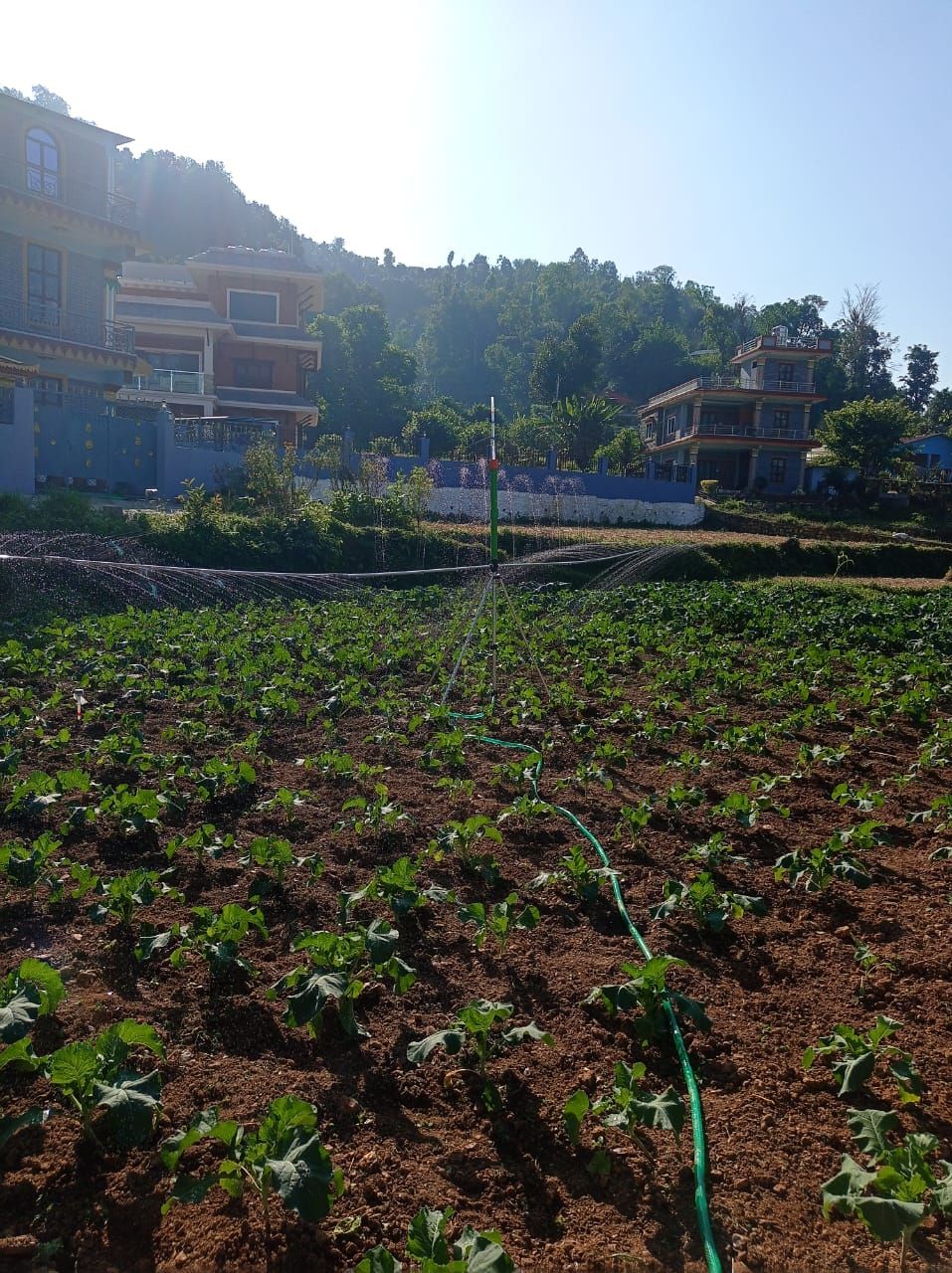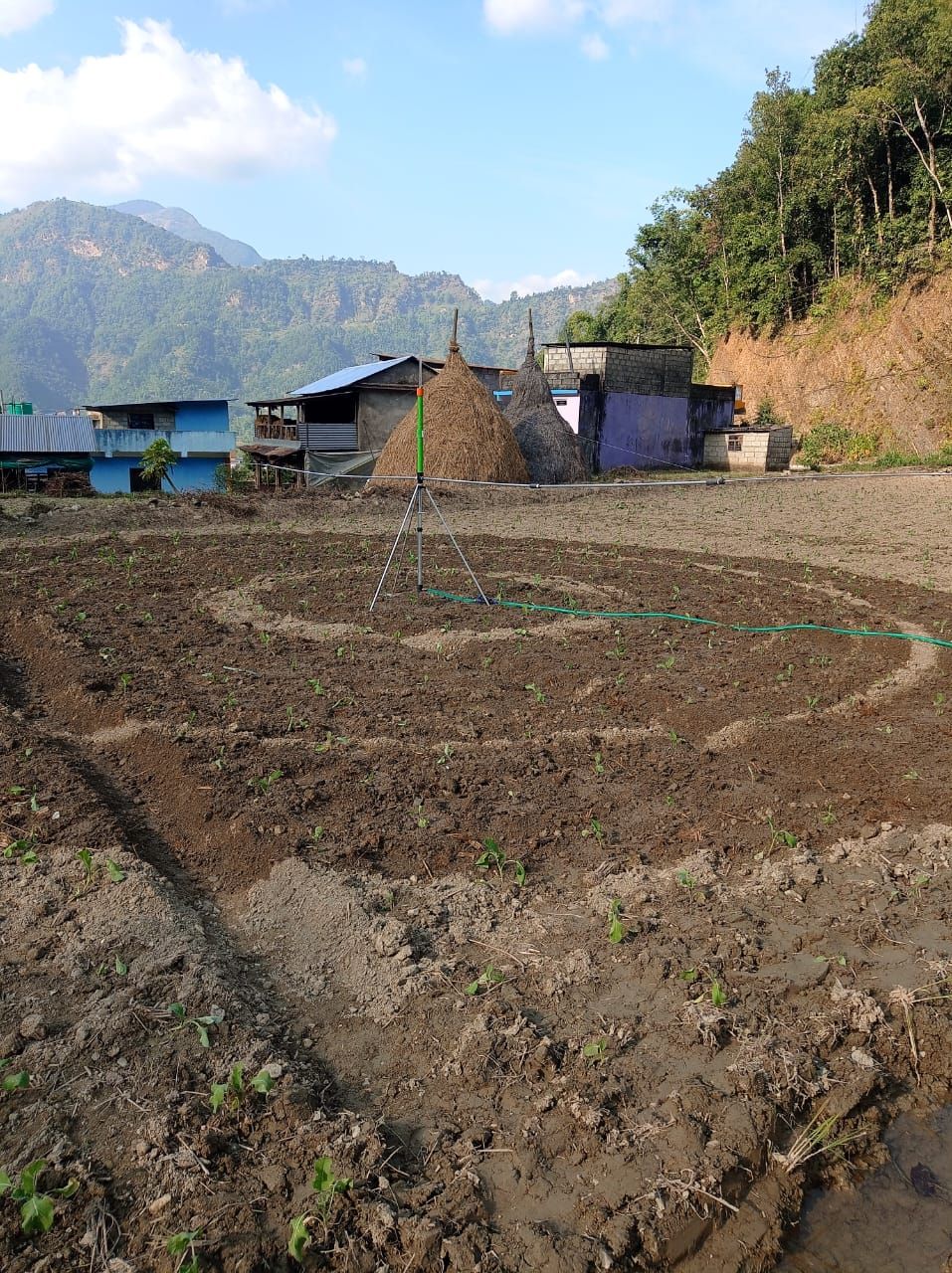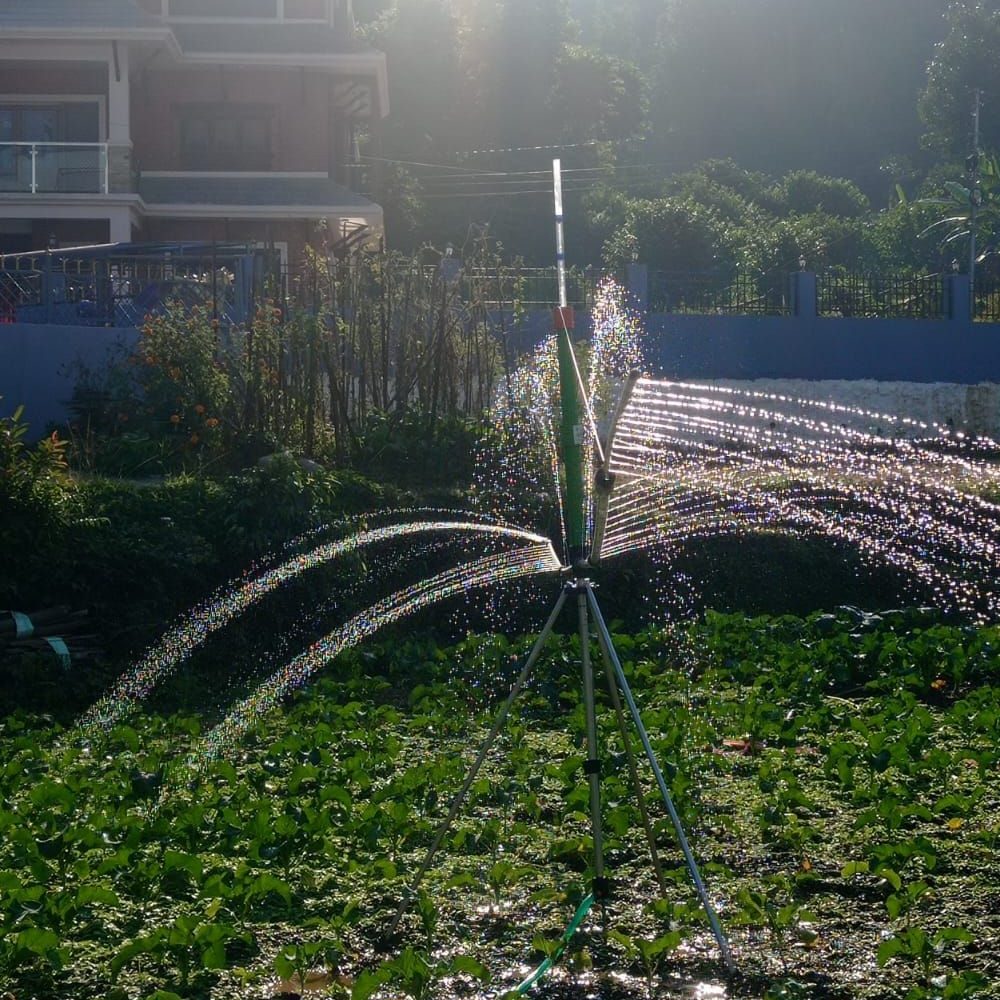
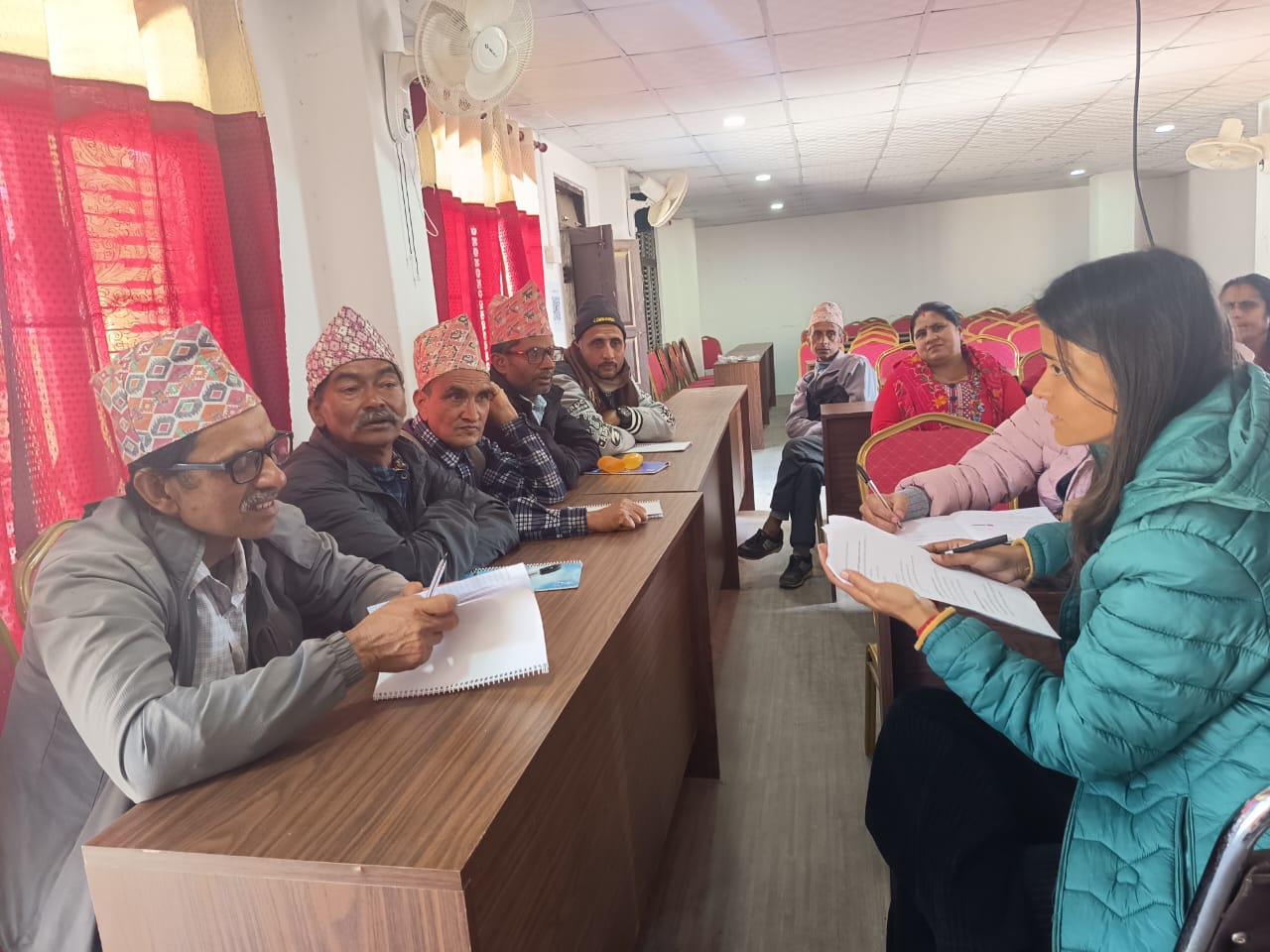
Two Focus Group Discussions (FGDs) were conducted under the project “Smart Sprayer: Efficient Terrace Irrigation in Nepal” to explore farmers’ experiences, challenges, and perceptions of the Smart Sprayer irrigation technology.
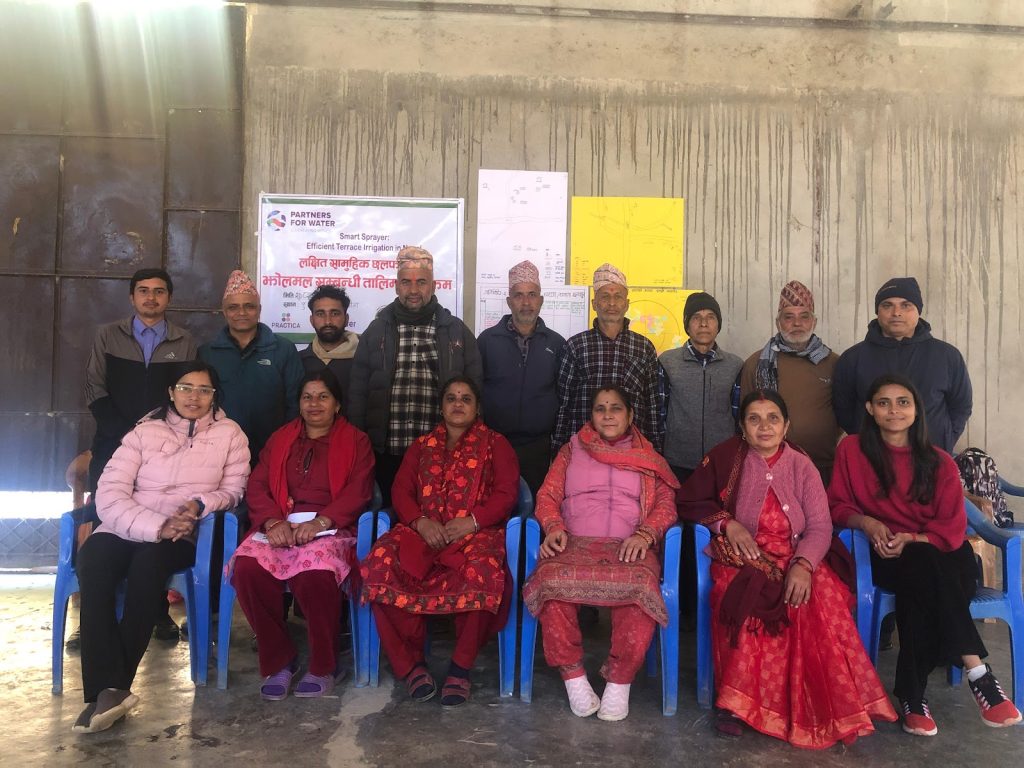
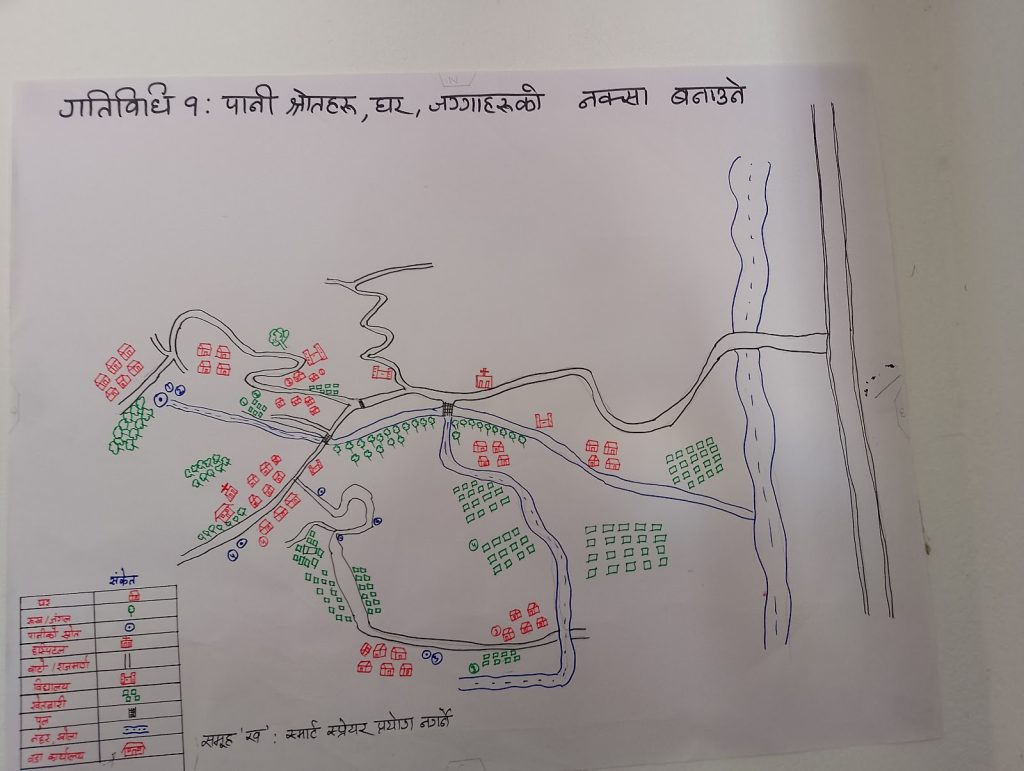
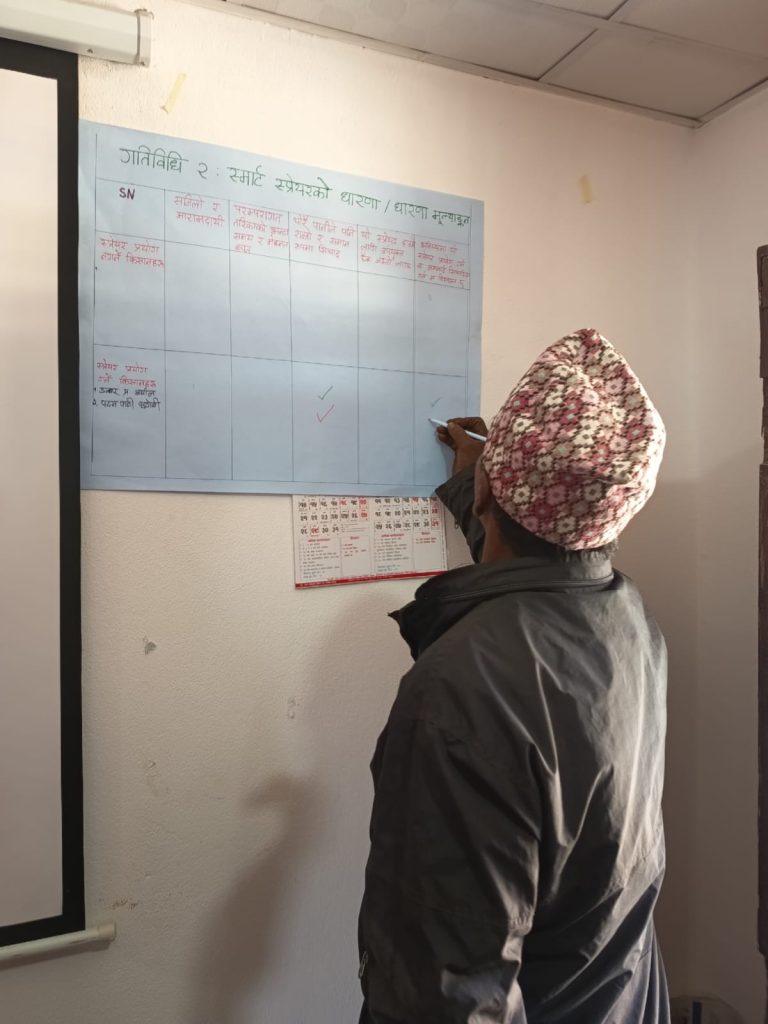
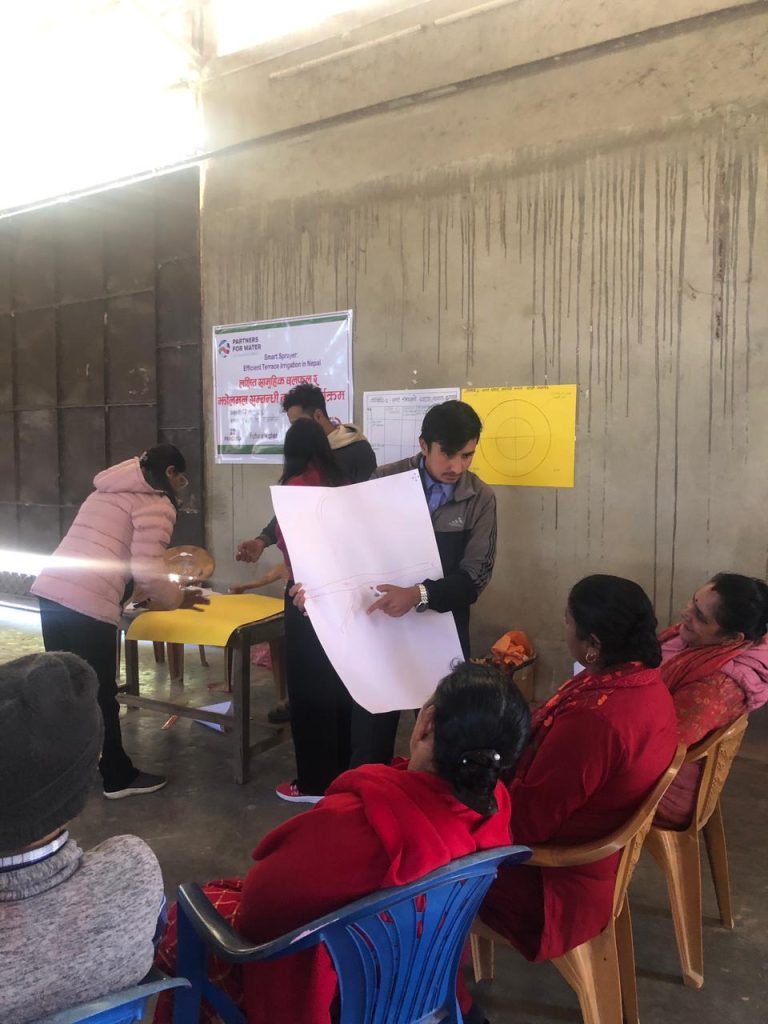
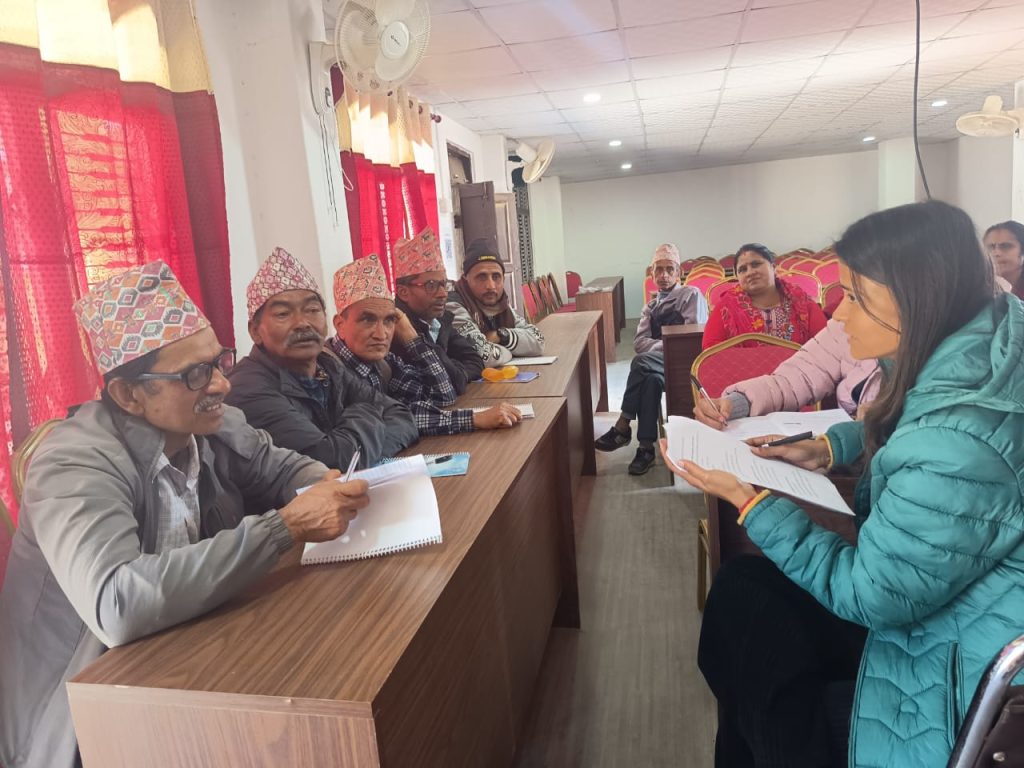
The FGDs took place at Sitaladevi Suntala Sankalan Kendra, Rangkhola on 12th December, and in the hall of Bhagyodaya Secondary School, Bheerkot on 16th December 2025. Each session lasted about 3 hours and included participatory activities such as agro-ecosystem mapping, farmers perception mapping, barrier and hotspot mapping, pathway for the Smart Sprayer technology adoption, semi-structured questionnaires and interactive discussions. Participants included Smart Sprayer user farmers, dry-season vegetable farmers not using the system, smallholder and semi-commercial terrace farmers, local ward representatives, and technical agricultural experts from the municipalities. A total of 21 farmers participated—12 from Putalibazar and 9 from Bheerkot—including both users and non-users of the Smart Sprayer system, with representation from male and female farmers engaged in terrace farming.
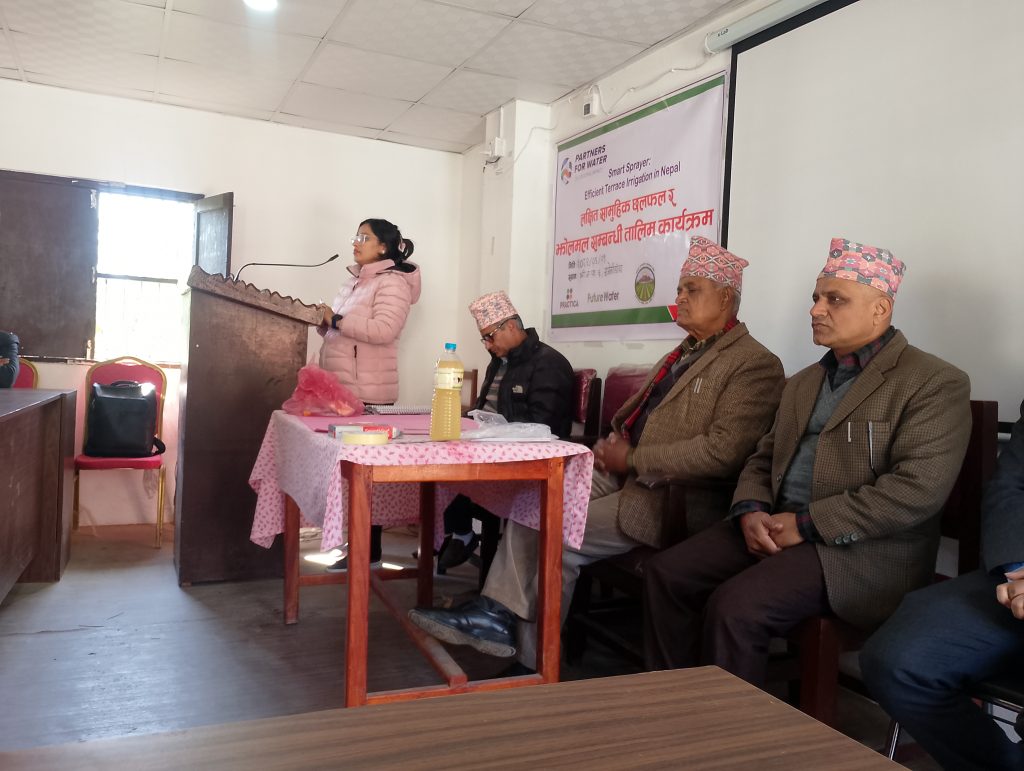
Farmers reported high satisfaction with the Smart Sprayer system, emphasizing its ease of use, water savings, and labor reduction. Some of their comments included:
- “I trust the advice since it provides us with an estimate of irrigation that is required for our soil.”
- “It is going to be fruitful as it is an advanced technology.”
- “I find it easy to use the irrigation messages because they are in Nepali.”
- “I have saved 50% of the water.”
- “I have saved 50% of time.”
- “Smart Sprayer saves me time and effort for other activities.”
- “Because irrigation takes less time, plants can absorb nutrients better.”
- “With use of Smart Sprayer, irrigation requires less physical energy, so I can do it myself.”
The Ward Chairperson of Rangkhola also expressed support for the project, stating: “This technology is beneficial for farmers and we are ready to provide any support at the ward level for such initiatives.” The initial outcomes from FGDs show that traditional irrigation methods—such as manual hose irrigation, portable sprinklers, and surface irrigation—are labor-intensive, time-consuming, and inefficient, especially during the dry season.
Farmers highlighted that the Smart Sprayer technology significantly reduces irrigation time, improves water-use efficiency, and helps crops absorb nutrients more effectively. Additionally, farmers communicated that the project has positive impacts on gender inclusion and youth participation, as women could irrigate independently and young people assisted with the digital components, including SMS-based irrigation advice.
Farmers also highlighted several challenges, including design limitations for small terraces, difficulty in relocating the sprayer, high upfront costs, and repair and maintenance concerns. The project team discussed these issues in detail with the farmers and documented them for further review and development of effective solutions in collaboration with the municipalities, AKC, and international project partners.
The FGDs concluded that the Smart Sprayer system addresses critical irrigation challenges in terrace farming and emphasized the need for design adaptation, capacity building, and institutional support to scale up the technology for sustainable agriculture in Nepal’s mid-hill regions.
If you need more information about the project outcomes, please follow our project page or contact us at info@climateresilienceresearchcenter.org.np.