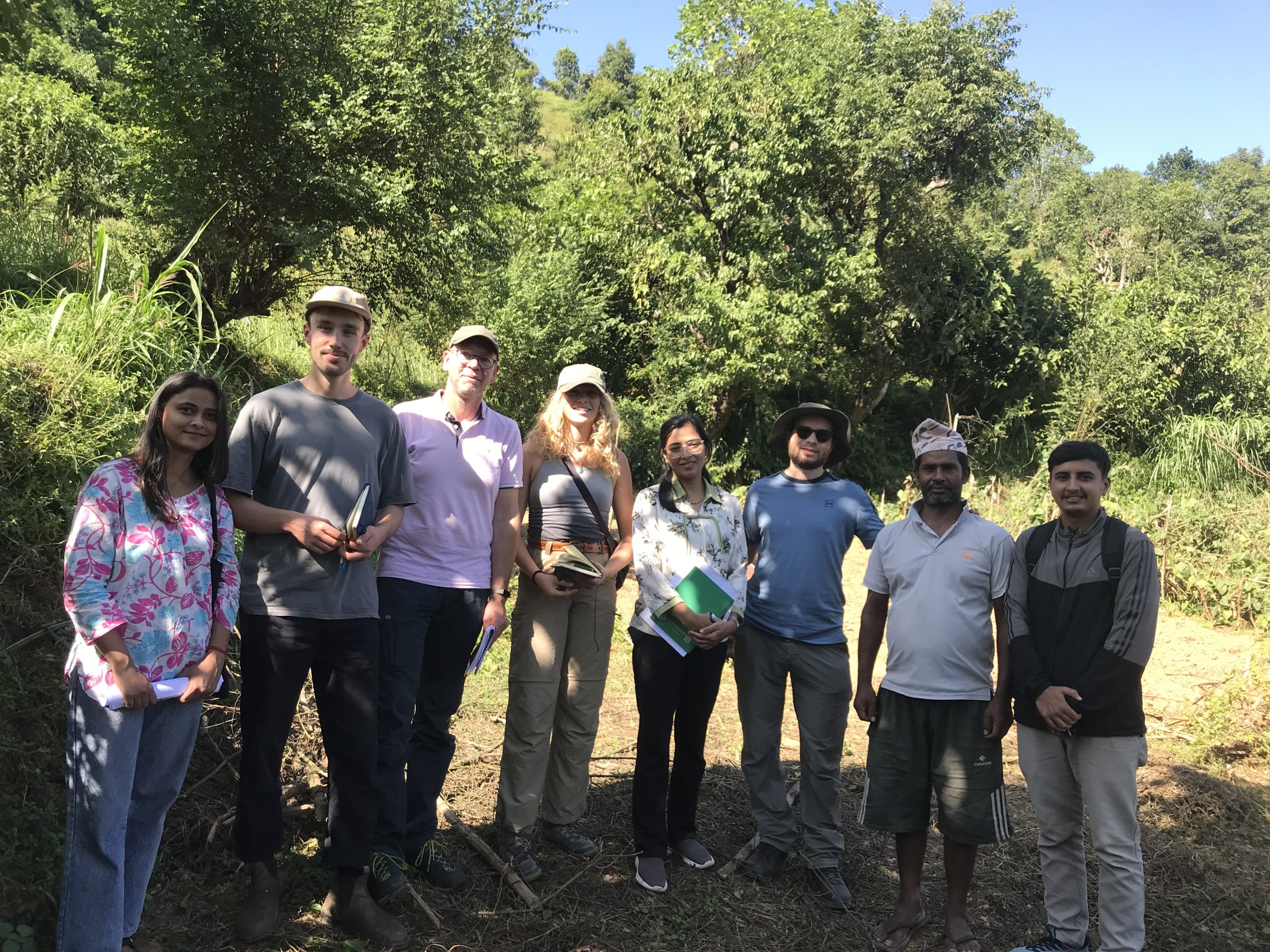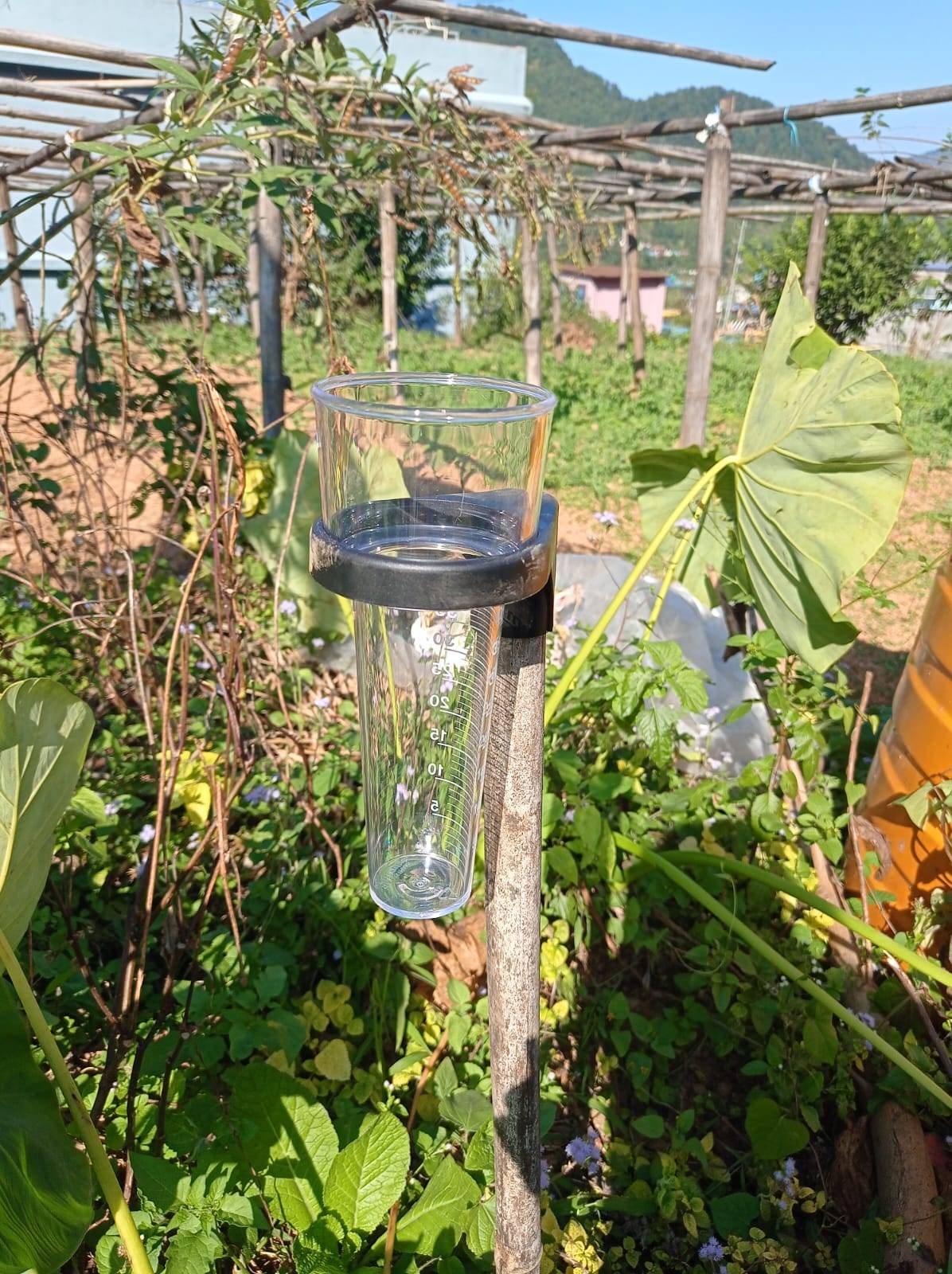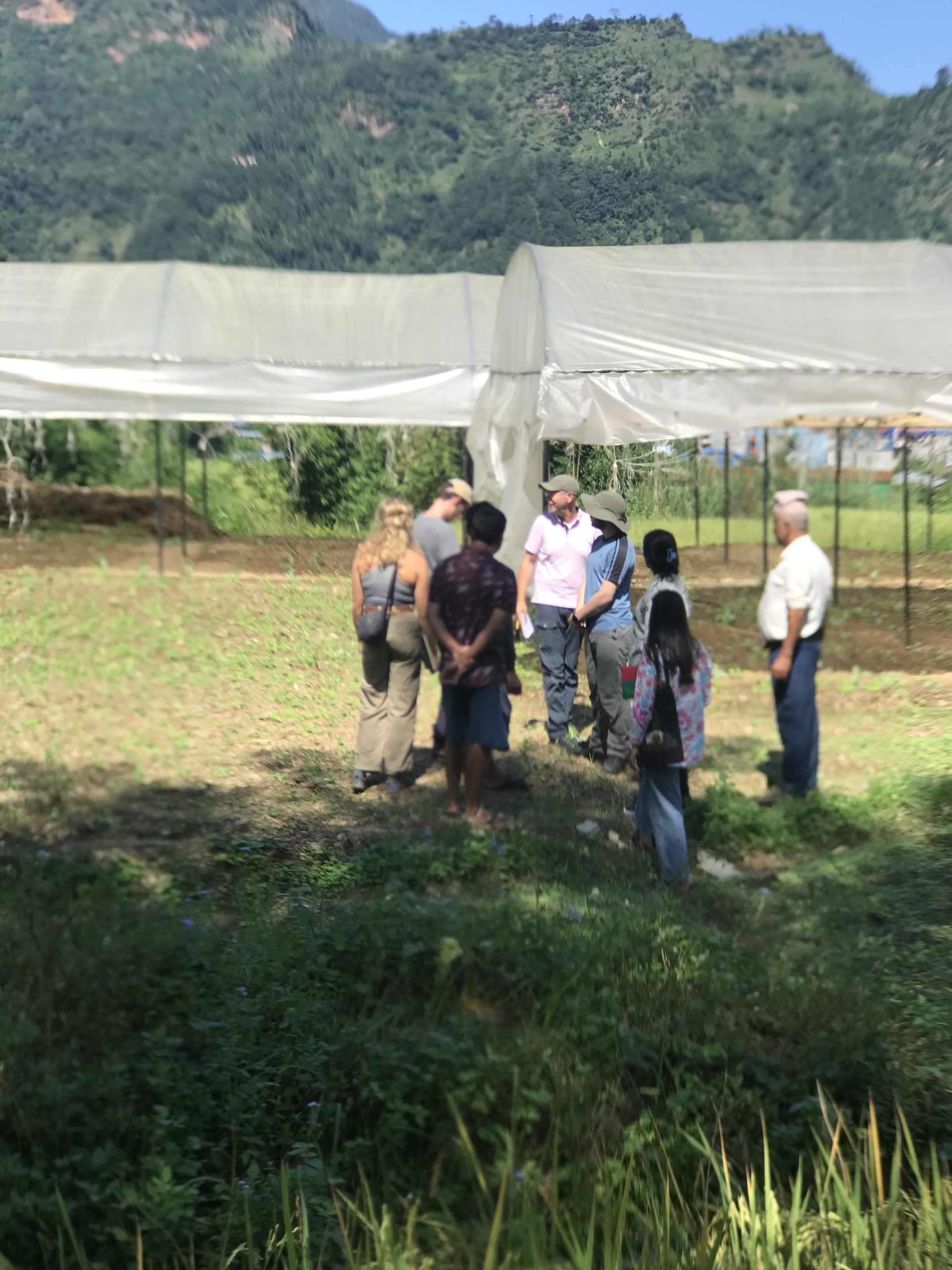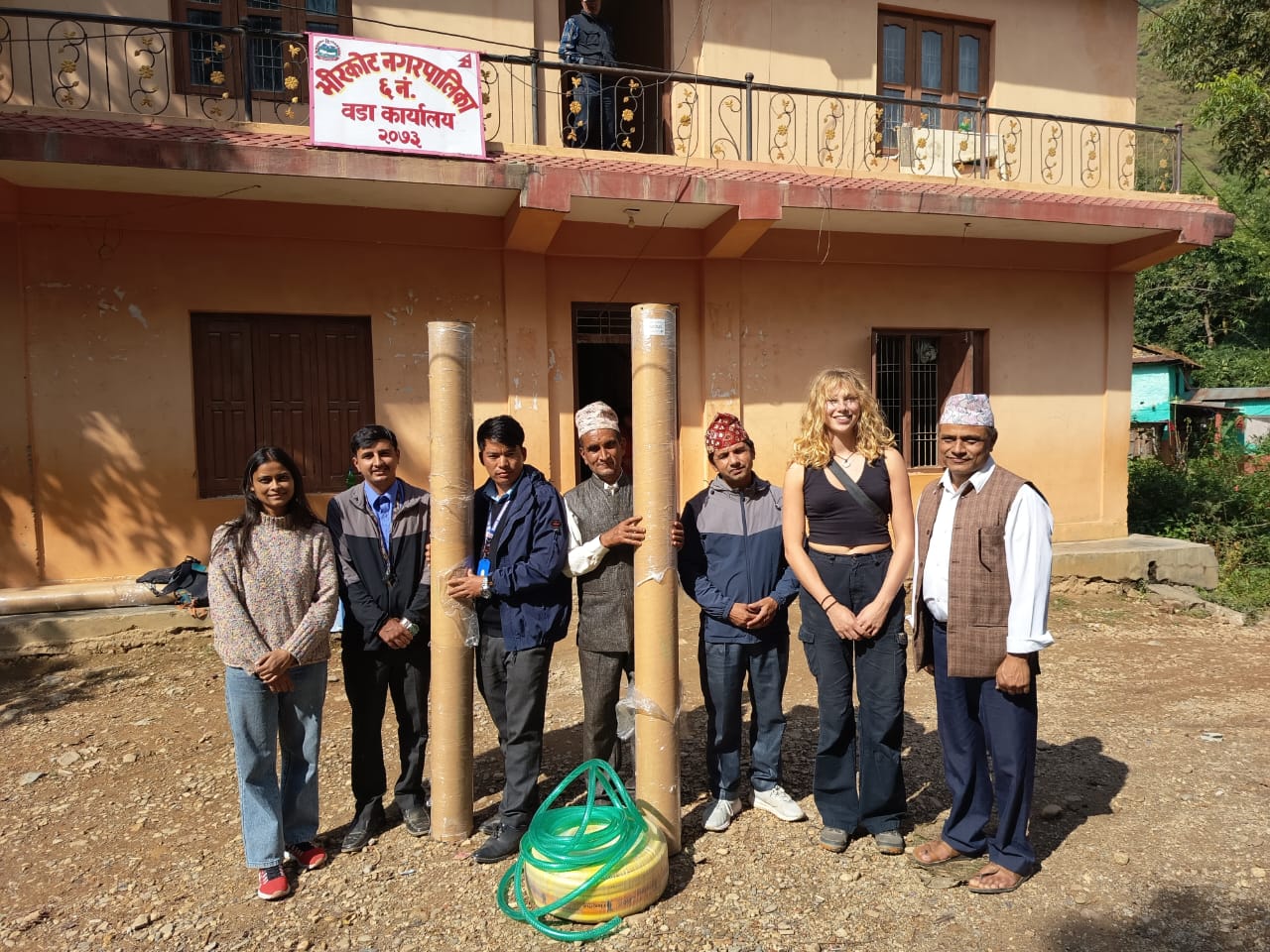
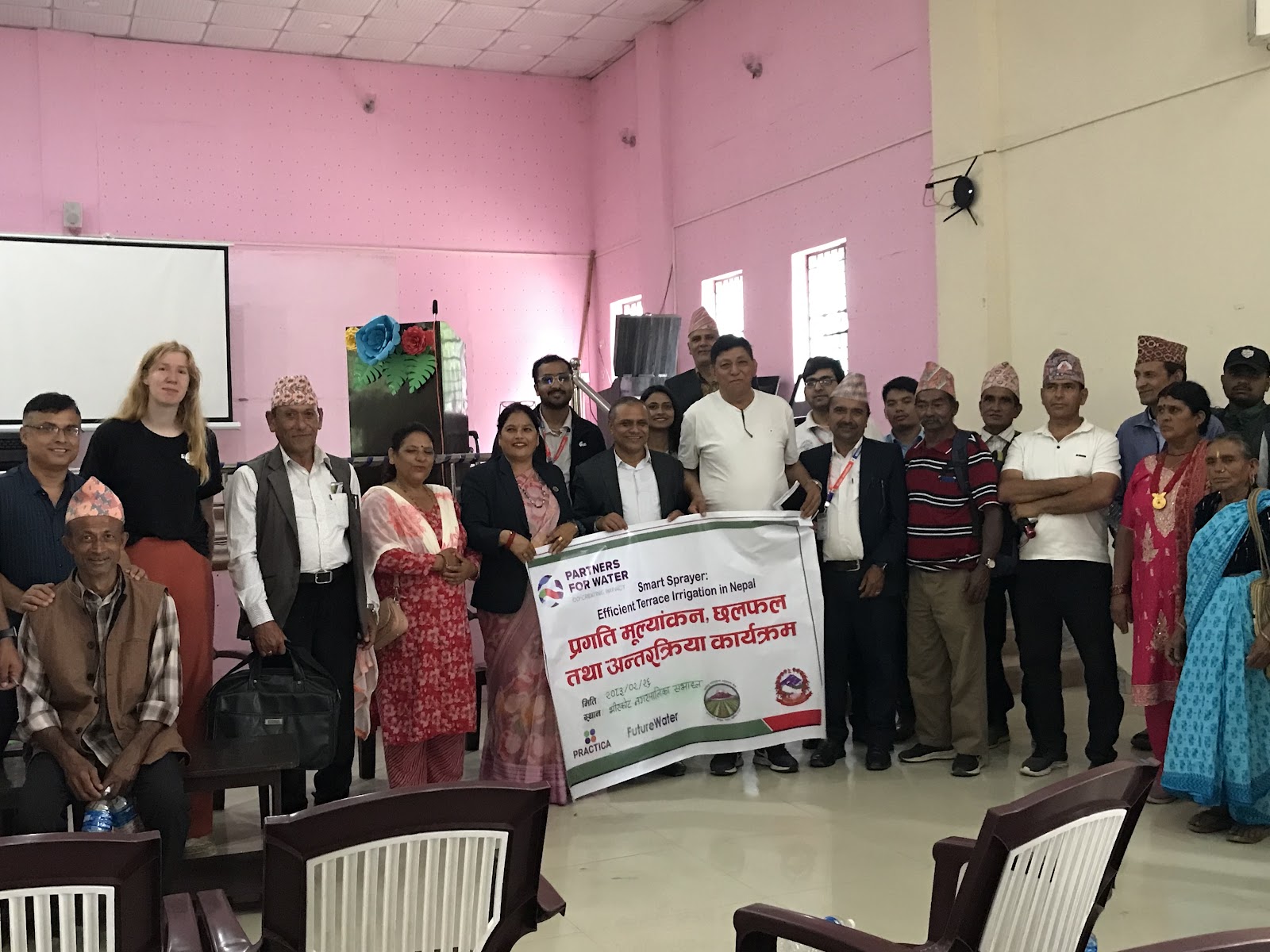
The Climate Resilience Research Center (CRRC), Syangja, last week conducted the final progress evaluation, discussion and interaction workshop in Bheerkot and Putalibazar municipalities. The potential pathways for the pilot and scale up were also discussed with the stakeholders.
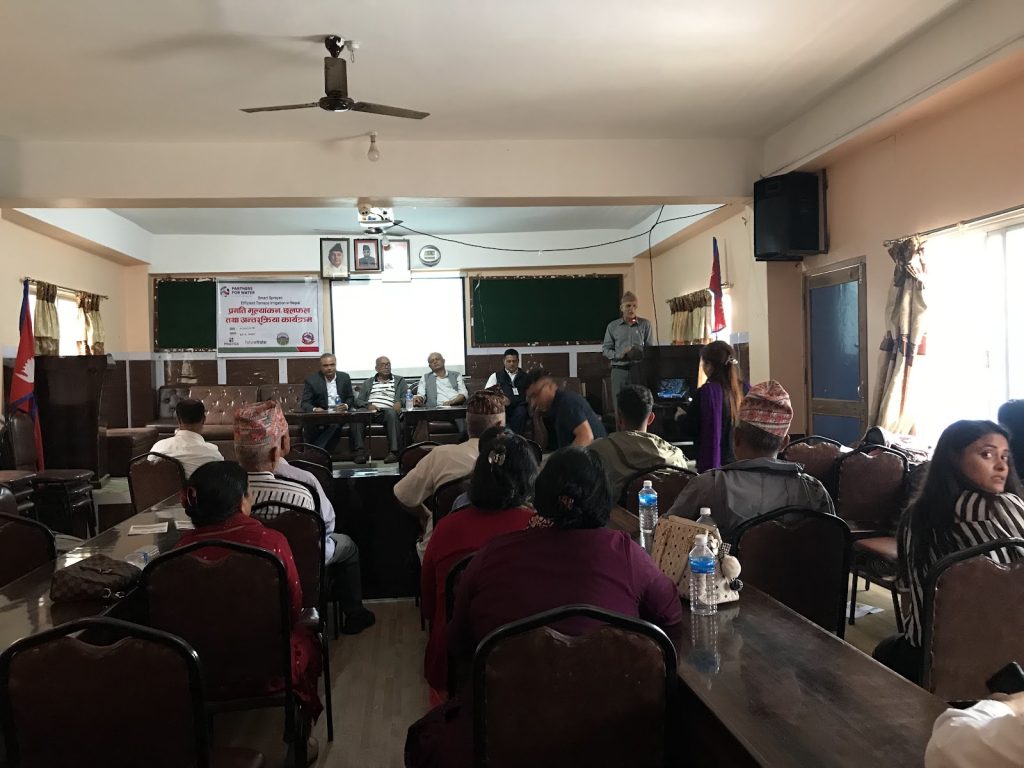
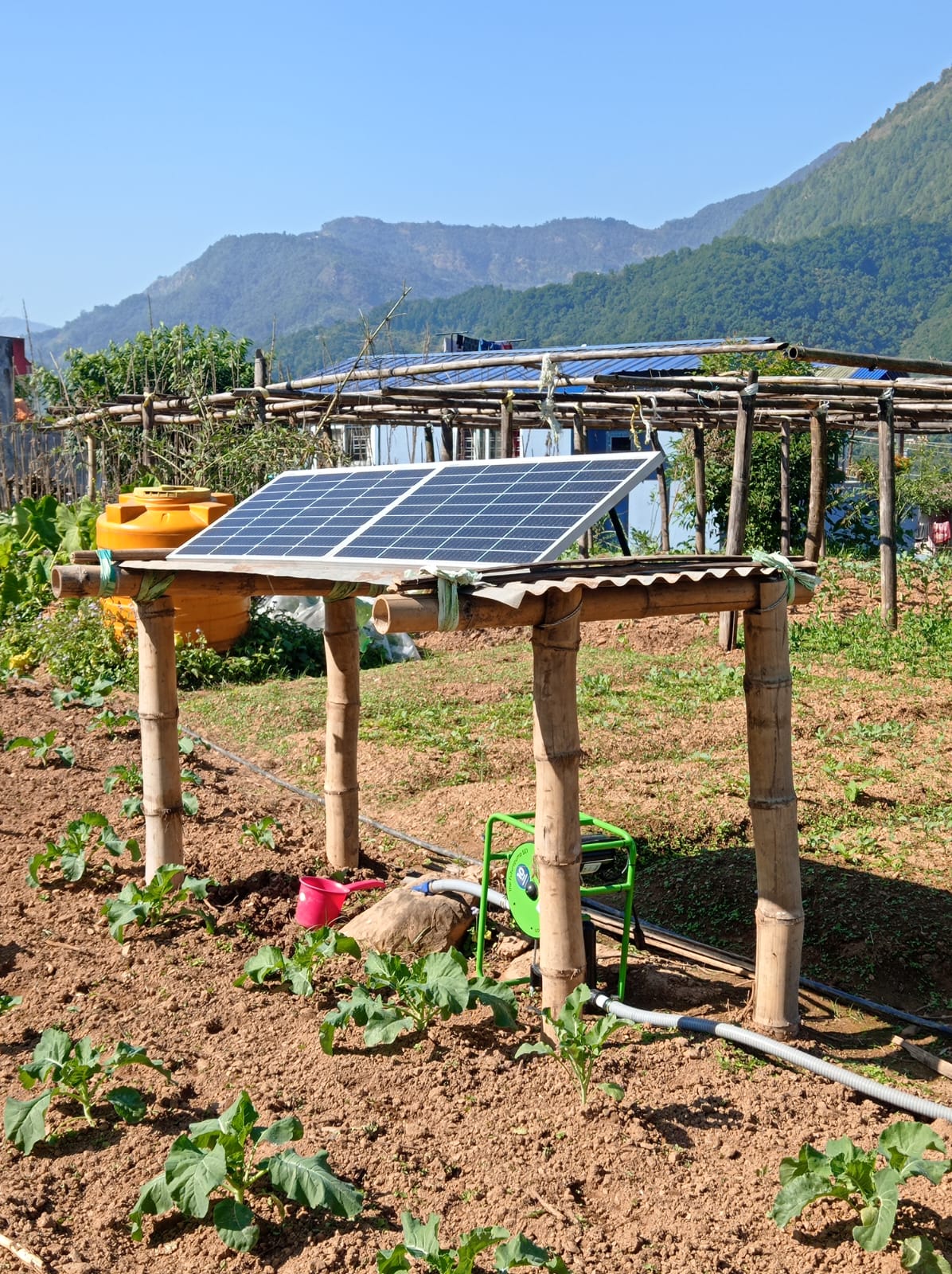
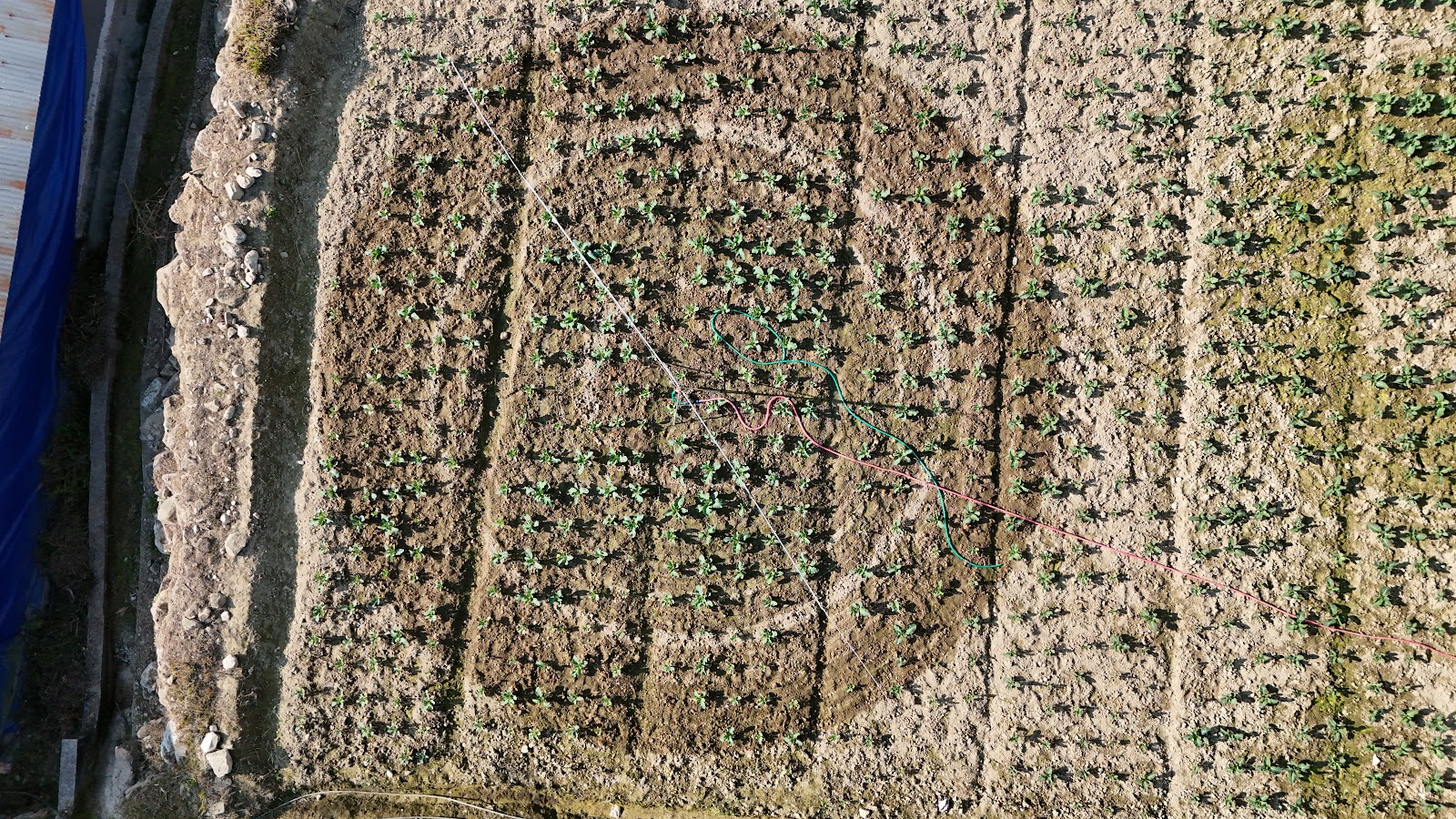
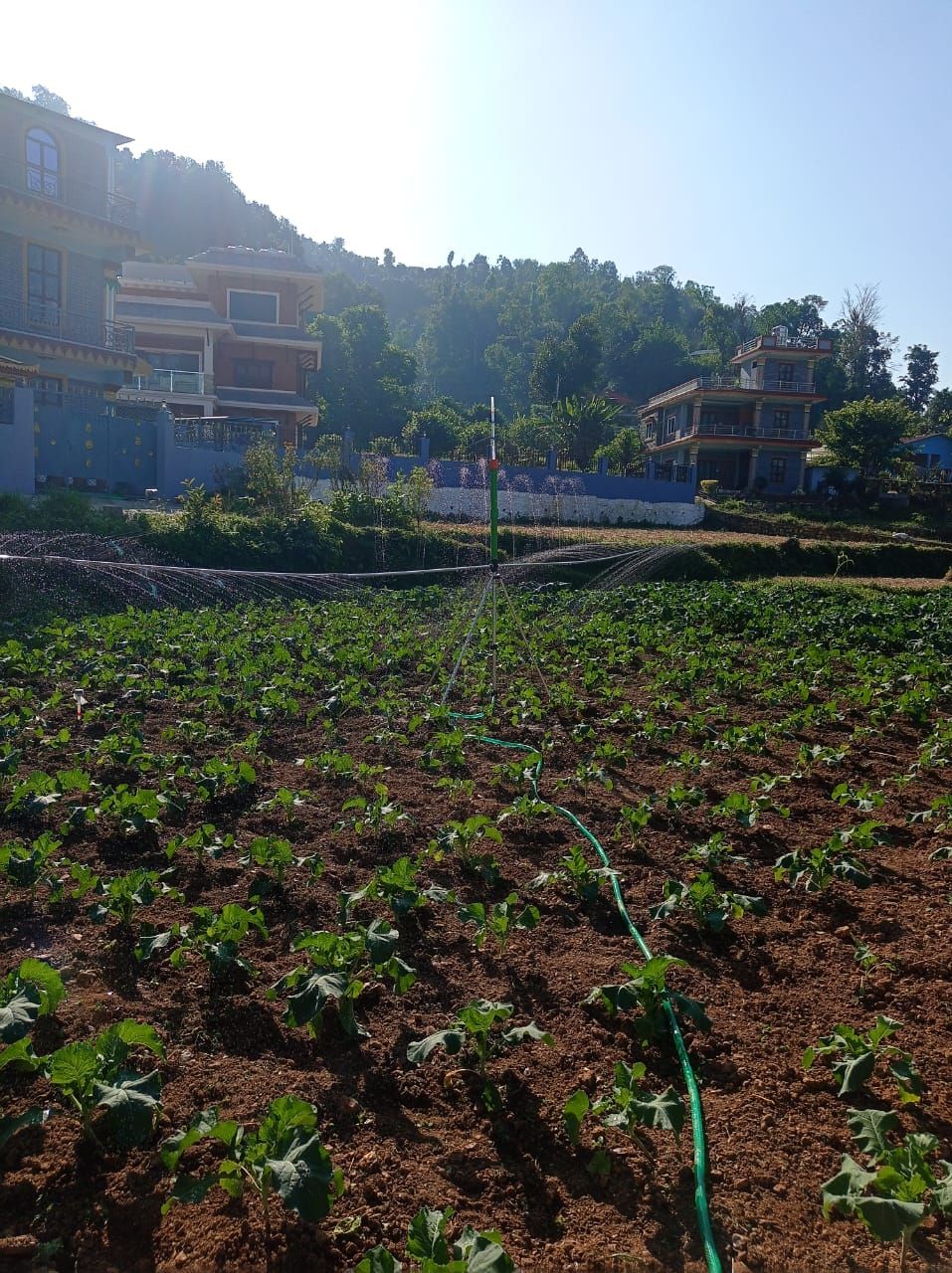
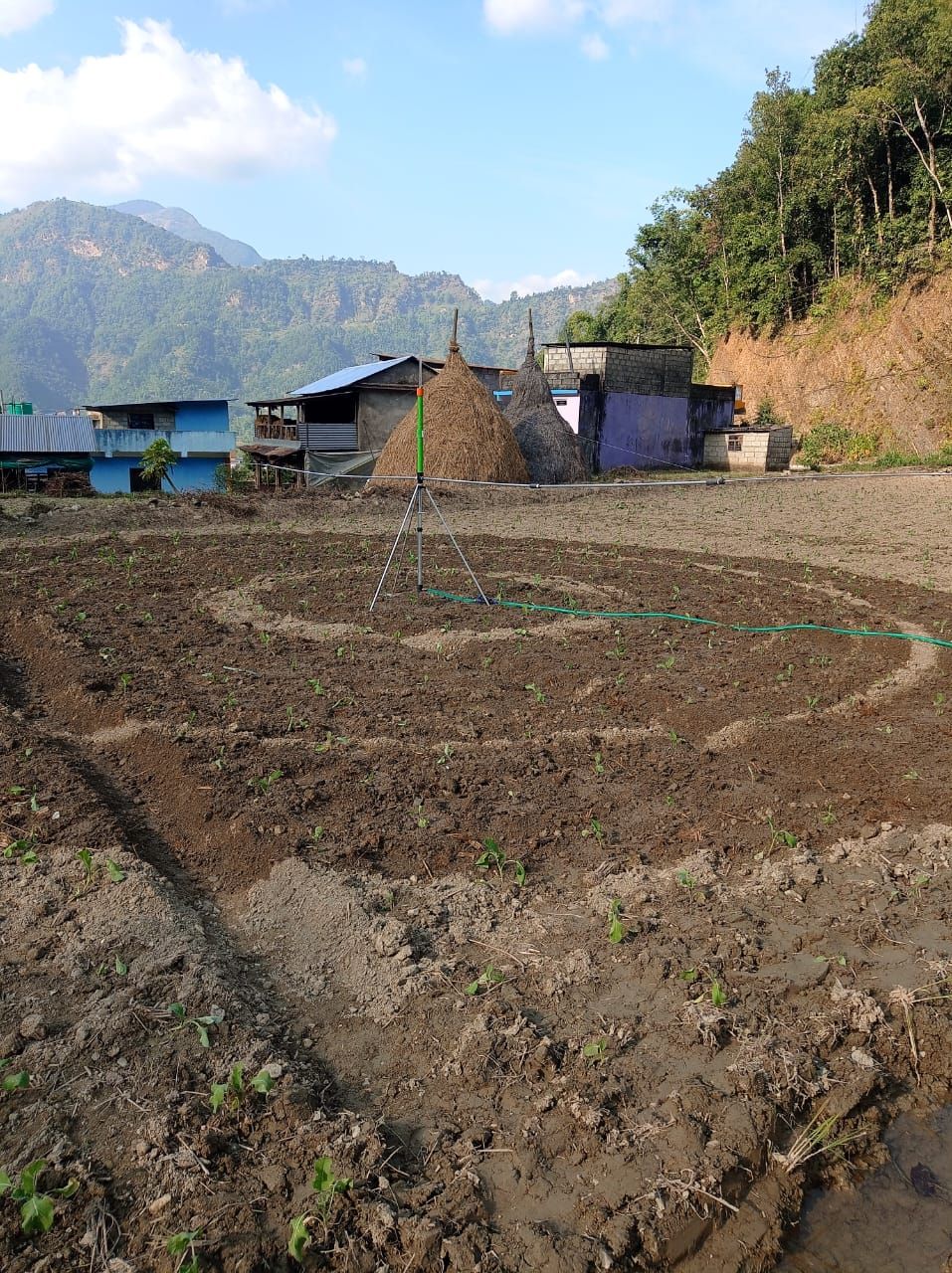
In Putalibazar, total 35 participants including, Mayor Mr. Tulsiram Regmi, agriculture department officials, municipal officials and local farmers participated in the workshop. The Smart Sprayer Project team presented the roadmap for potential for scaling up the Smart Sprayer innovation across Nepal. Additionally, a demonstration of a bamboo adapted prototype of Sprayer was conducted. During the discussion, farmers asked the project team to further support them with reducing the cost of the sprayer, accessing reliable markets, obtaining affordable solar-powered irrigation pumps, and the availability and durability of the new bamboo prototype. The municipality concurred that the Smart Sprayer has strong potential to benefit farmers in Nepal, but urged the project team to work on a commercial model to support local farmers beyond donor funding.
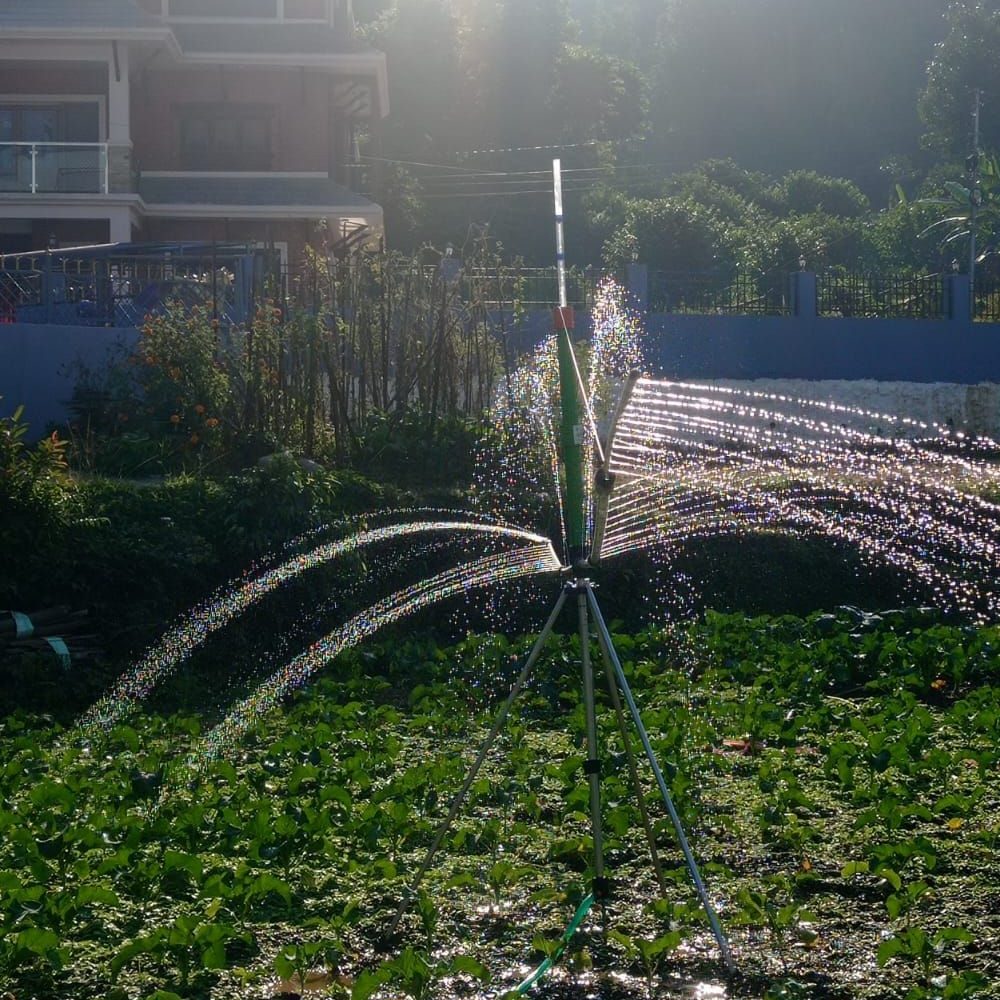
In Bheerkot, a total of 50 people including, Mayor Mr. Gobinda Kumar Karmacharya, senior municipal officials, ward chairpersons, agriculture officers, and farmers participated in the workshop. The project team presented key results, locally adapted bamboo-based Smart Sprayer model and way forward. During the discussion session, farmers raised practical questions about market access of Smart Sprayer, the possibility of municipal subsidy support, and the need for good market rates for their crops. Many farmers spoke positively of the new bamboo-based design, calling it practical, affordable, and well-suited to terrace farming. Responding to these concerns, Mayor Karmacharya expressed commitment to exploring subsidy support of 50 percent on sprayer’s cost and pledged the municipality’s support in strengthening local vegetable markets. The session closed with a live outdoor demonstration of the both aluminium sprayer and bamboo-based sprayer.
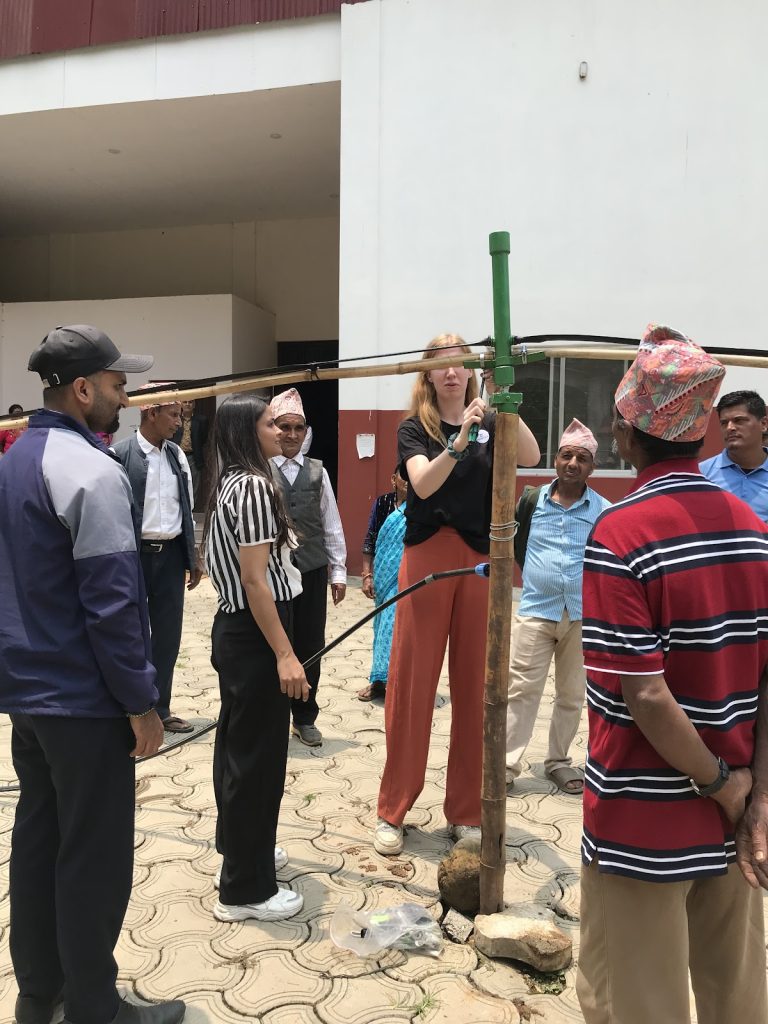
Across both municipalities, local leaders and farmers expressed strong interest in expanding the Smart Sprayer initiative beyond the pilot phase. With encouraging results from the project, the introduction of a new cost-effective bamboo-based design, and growing support from municipal governments for subsidy mechanisms, CRRC is now focused on a pilot study to reach more farming communities across Nepal.
Closing both programs, Mr. Shankar Lamichhane, founder of CRRC, thanked all partners, officials, and farmers for their continued cooperation and emphasized that sustained collaboration between local governments, research institutions, and farming communities will be key to bringing climate-resilient irrigation solutions like the Smart Sprayer to more farmers across Nepal.
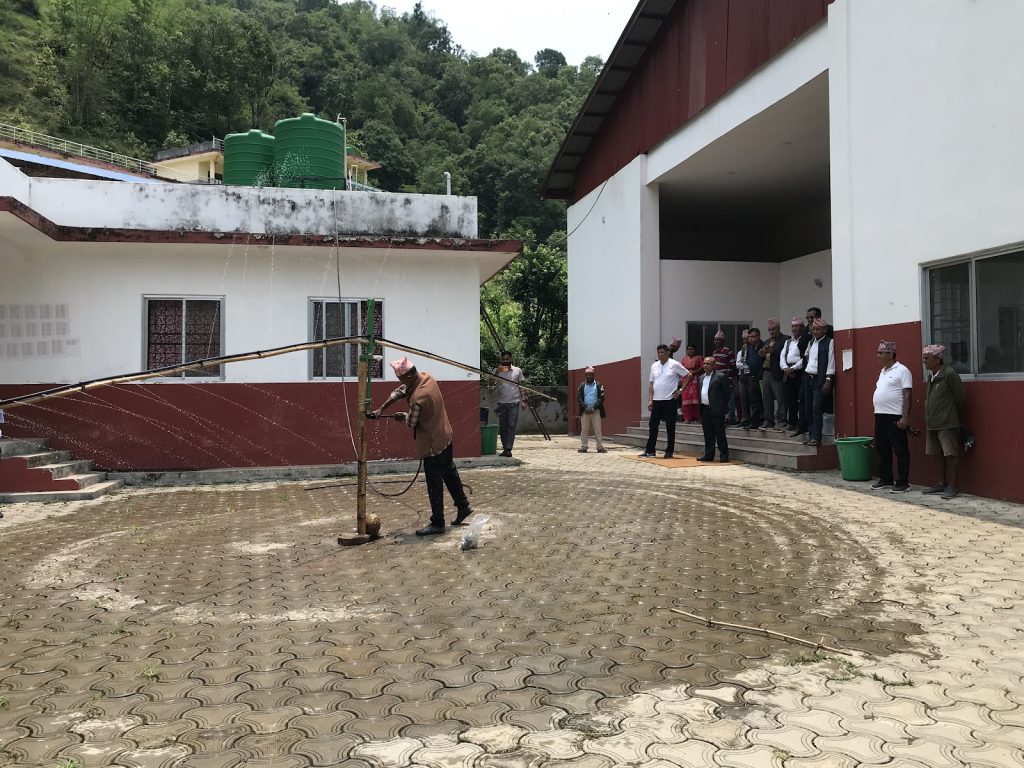
CRRC welcomes interest from municipalities, farmer groups, and development partners looking to adopt or support the scale-up of the Smart Sprayer technology. Those interested in learning more, accessing the technology, or exploring partnership opportunities are encouraged to contact the Climate Resilience Research Center, Syangja.