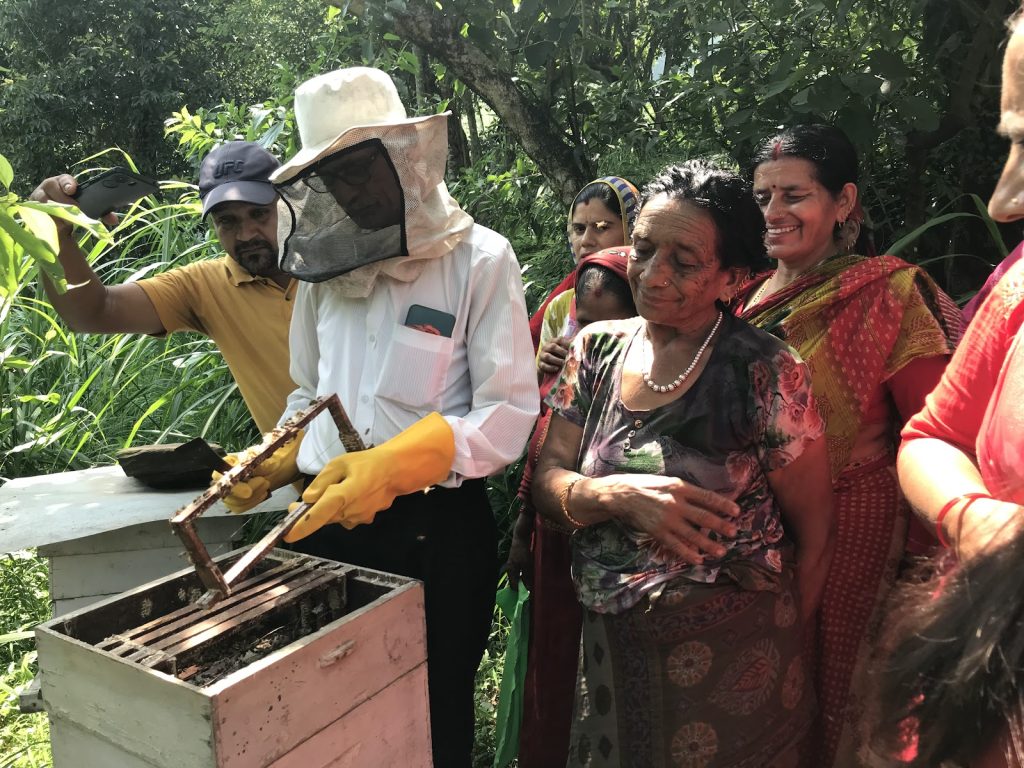
Beekeeping is a traditional and increasingly important agricultural enterprise in Nepal, contributing significantly to rural livelihoods and environmental sustainability. Beekeeping plays a dual role by directly supporting farmers’ incomes and indirectly enhancing agricultural productivity through pollination services, which contribute to biodiversity conservation and ecological balance. Pollinators like bees can contribute 2–10% of total agricultural GDP, and that the value of pollination services provided by bees in Nepal amounts to approximately 62 billion NPR. Nepal has an estimated potential of over 25,000 MT annual honey production. Despite this potential, national honey production has declined in recent years, and the number of commercial beekeepers continues to decrease.
Honey production has become increasingly vulnerable to climate change, with prolonged droughts, erratic rainfall, and rising temperatures disrupting flowering cycles and reducing nectar availability. These changes weaken bee colonies, lower honey yields, and threaten the pollination services that are essential for fruit production and agricultural resilience. At the same time, excessive pesticide use and shrinking of forage areas further impact colony health and productivity. Beekeepers also face major economic barriers. Modern equipment is expensive, technical support is limited, weak supply chain and market linkages prevent farmers from selling honey at fair prices. As a result, many commercial farmers are abandoning beekeeping despite growing market demand for high-quality honey.
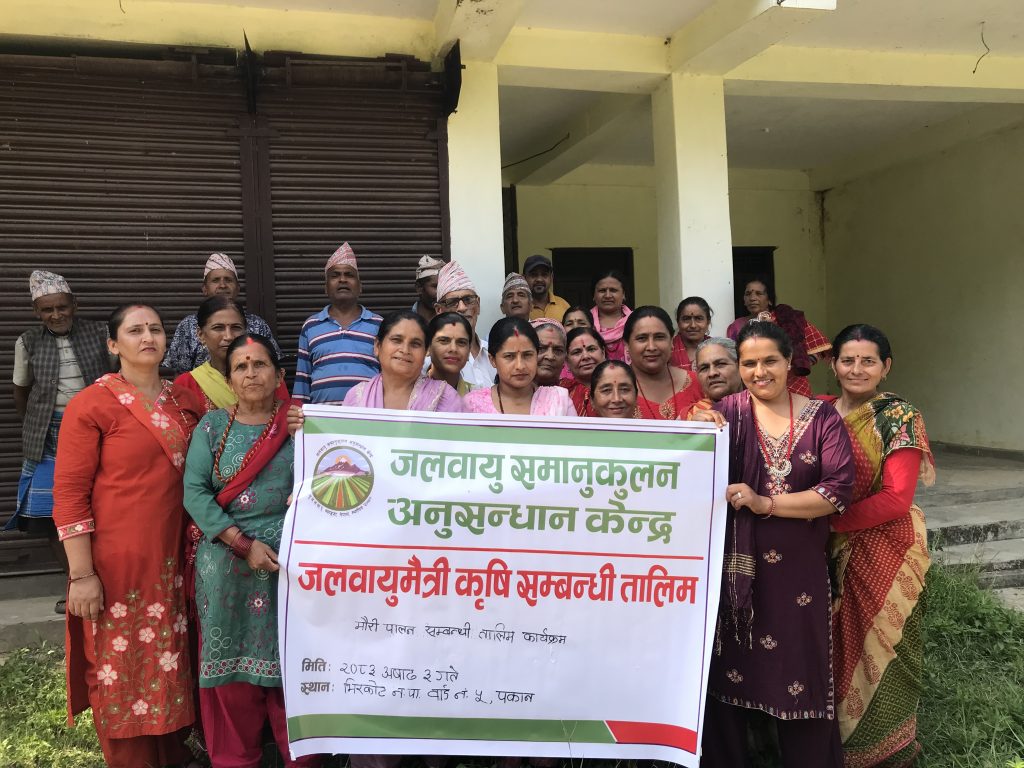
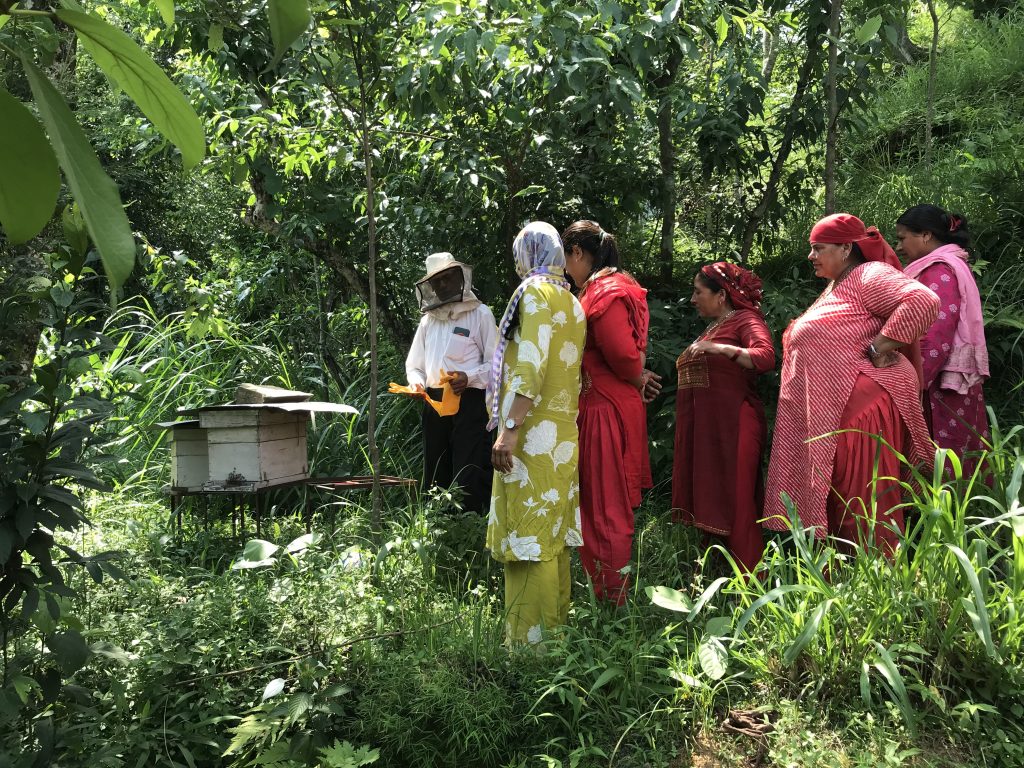
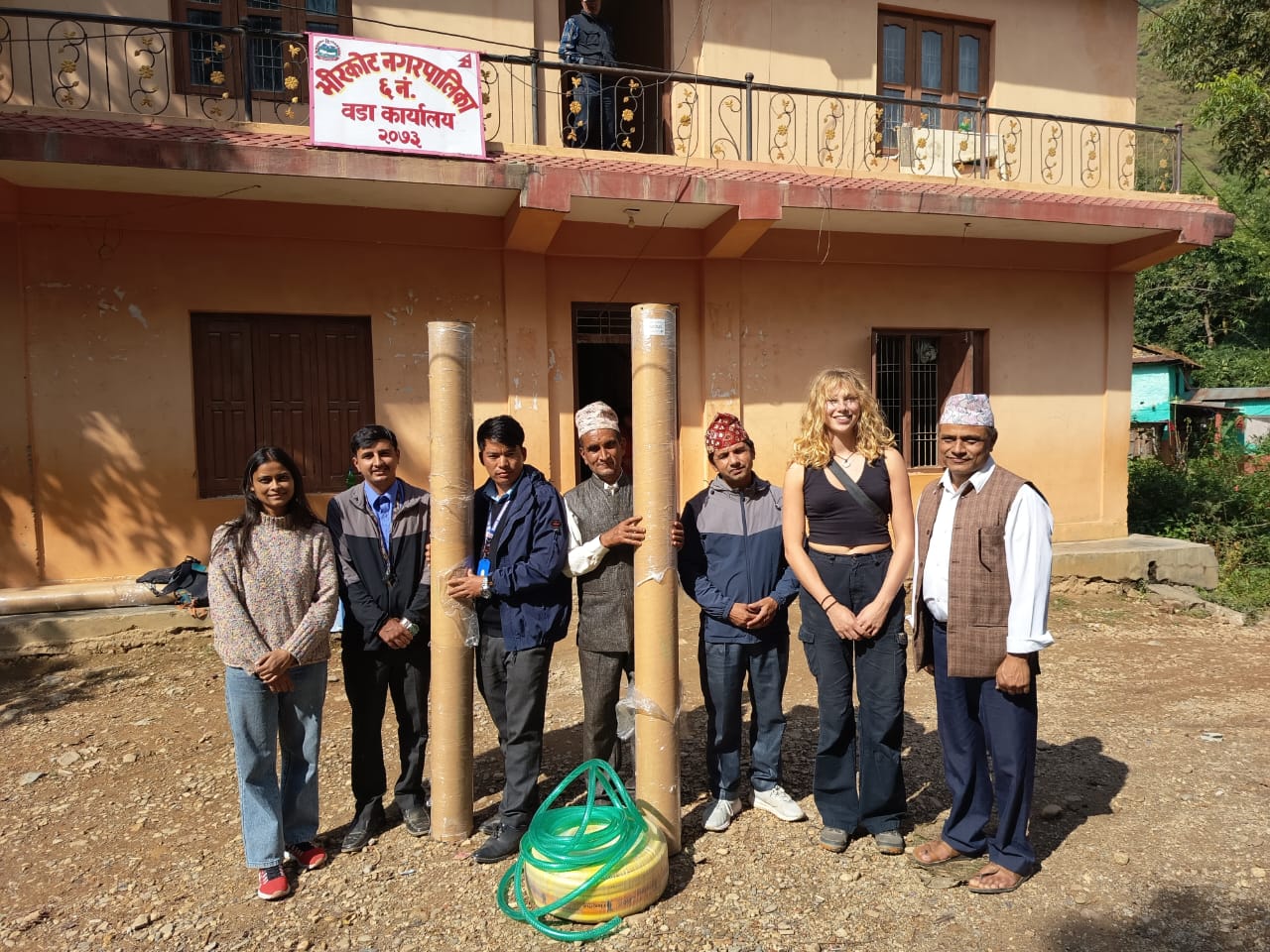
CRRC is working closely with local municipalities, ward offices, and other stakeholders to support the “Ek Ghar, Ek Ghaar” (One House, One Beehive) initiative. Through farmer-led ‘Training of Trainers’, improved beekeeping practices, and stronger market connections, CRRC intends to transform beekeeping into a resilient and profitable livelihood. This initiative aims to increase household incomes, strengthen climate resilience, increase the participation of women and marginalized communities in agri-enterprises, improve crop pollination, and contribute to Nepal’s long-term food security and biodiversity conservation.