Agriculture is central to Nepal’s economy, employing about 74% of the population and contributing 25% of GDP. However, farming is highly vulnerable to climate change, with increasing droughts, floods, and temperature extremes affecting productivity. Rural outmigration has shifted agricultural responsibilities to women, the elderly, and marginalized groups, who often lack access to training and resources.
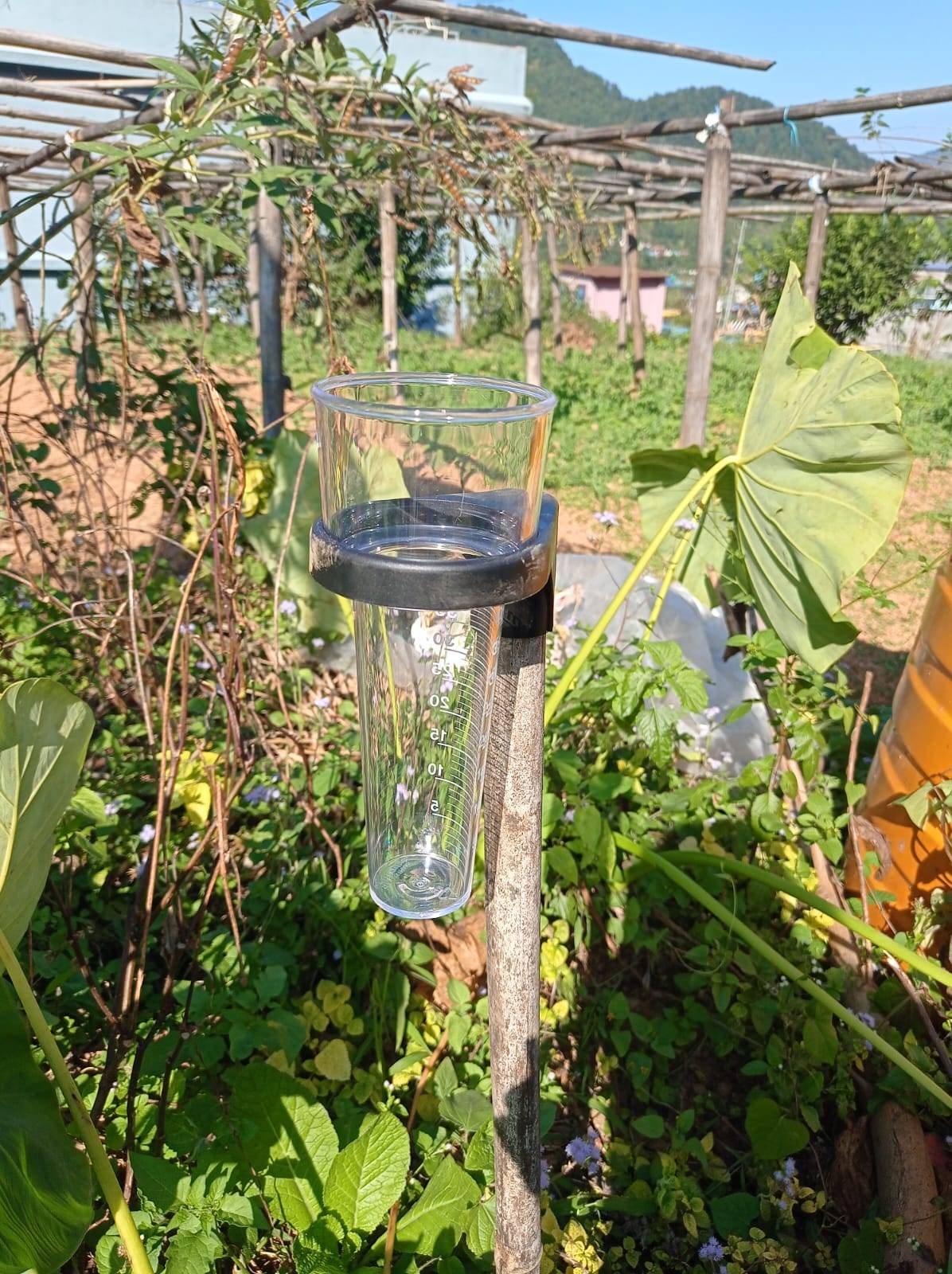
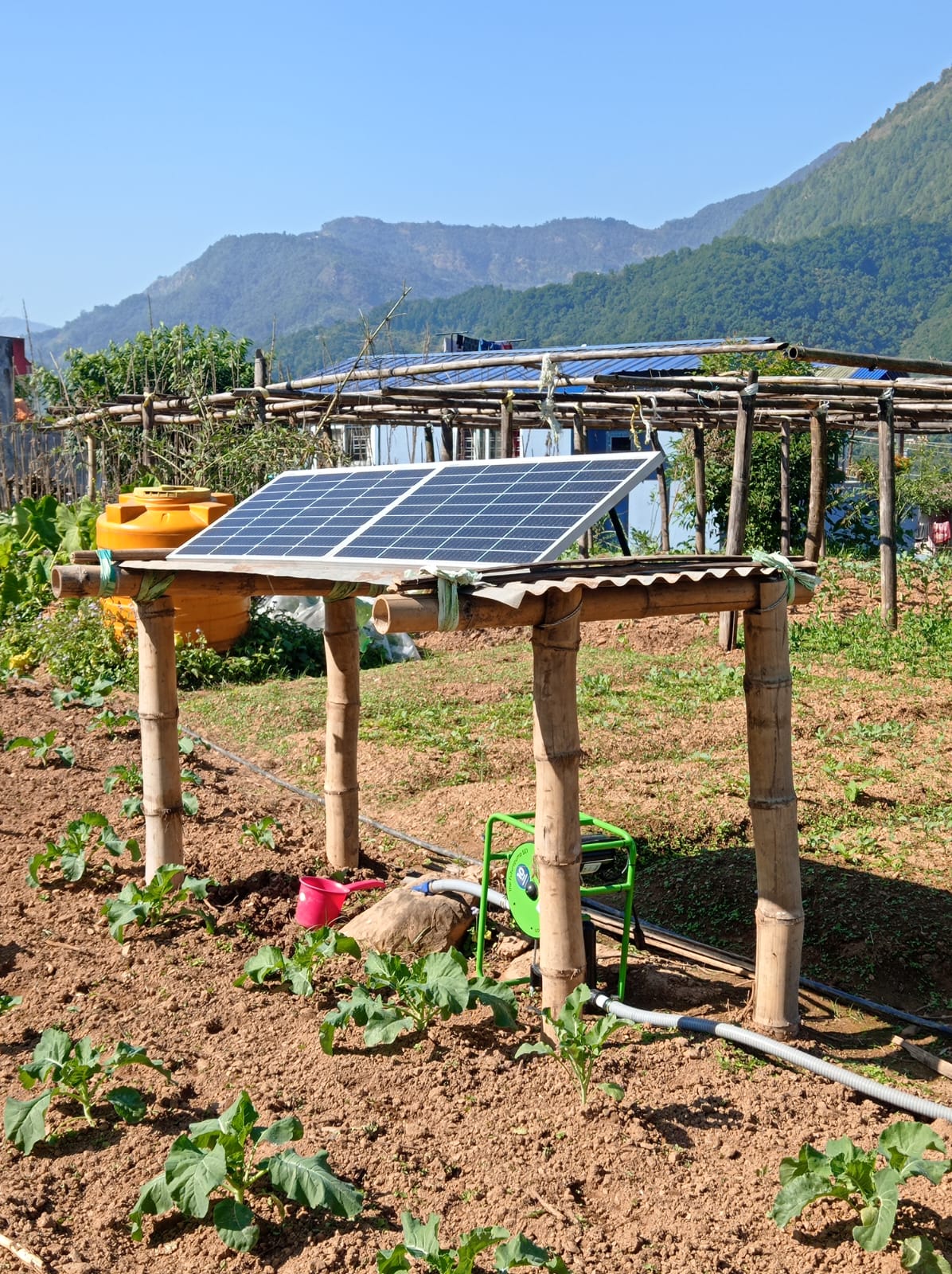
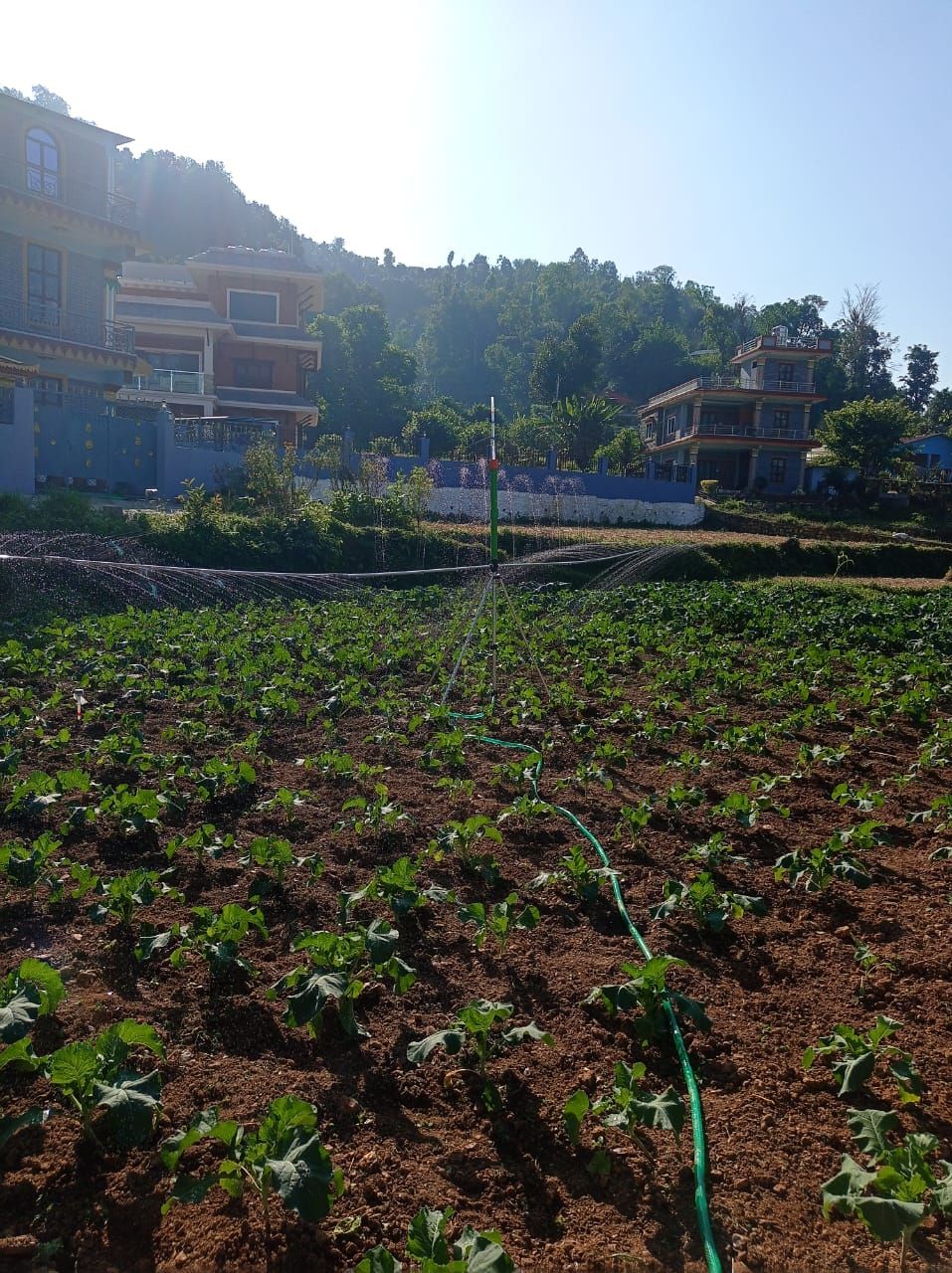
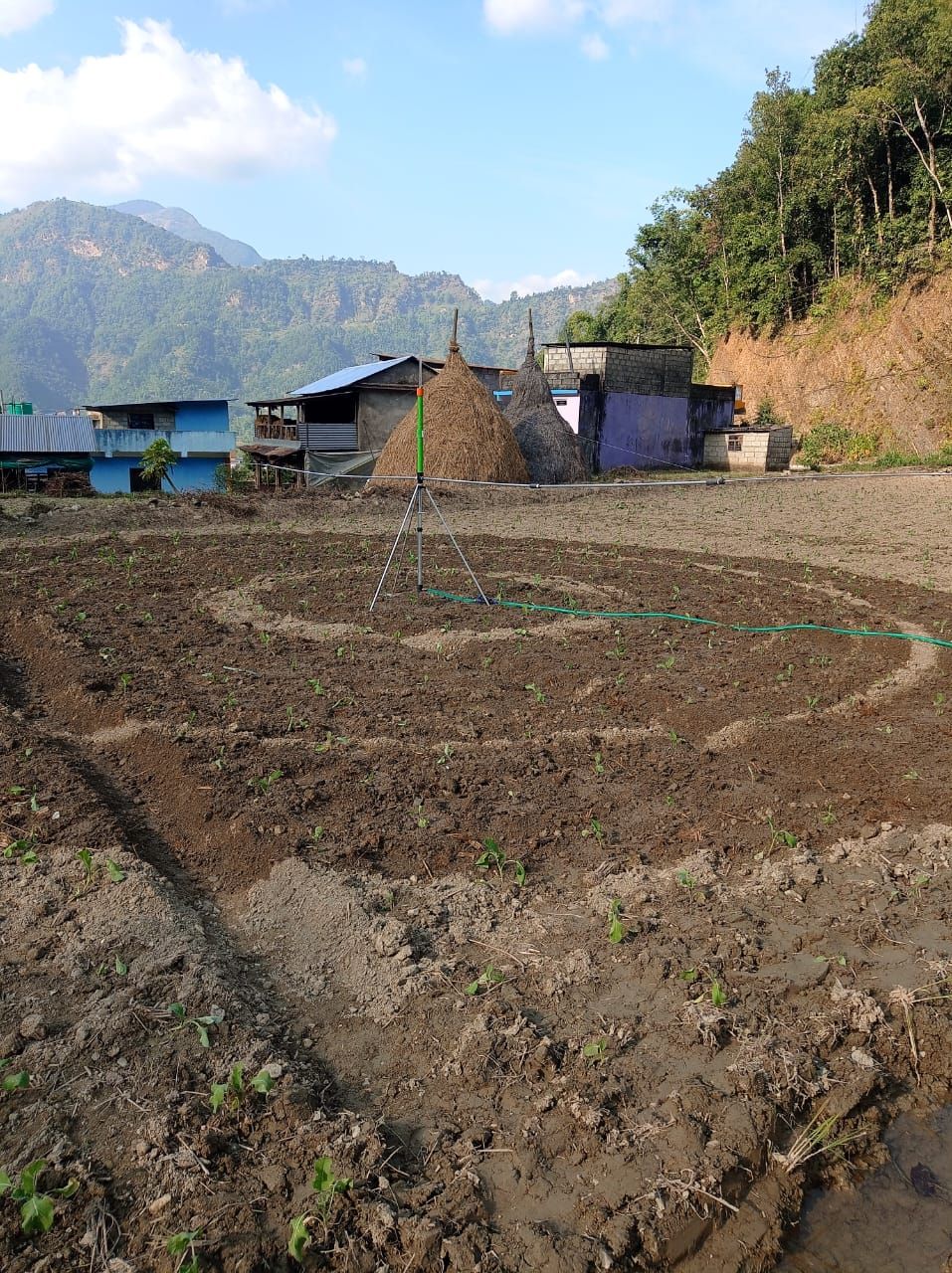
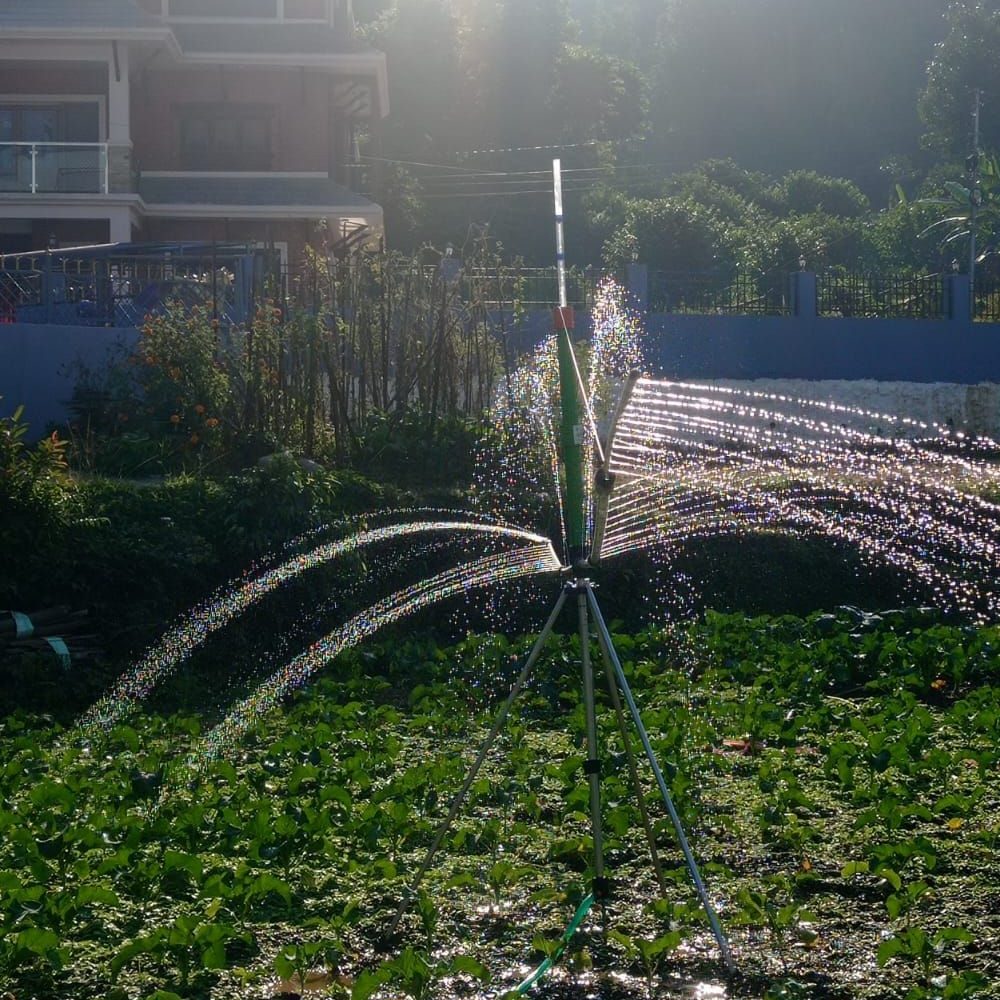
Climate-smart agriculture (CSA) offers solutions that support food security, resilience, and sustainable growth. While Nepal has introduced CSA initiatives such as improved crop varieties and smart irrigation through government and research programs, adoption remains limited due to policy gaps, resource constraints, and market barriers. Enhancing farmers access to CSA technologies will boosts productivity, improves water-use efficiency, enhances soil health, reduces production costs and climate risks, strengthens food security, lowers dependence on imported staple crops, and builds a more inclusive, climate-resilient agricultural sector.
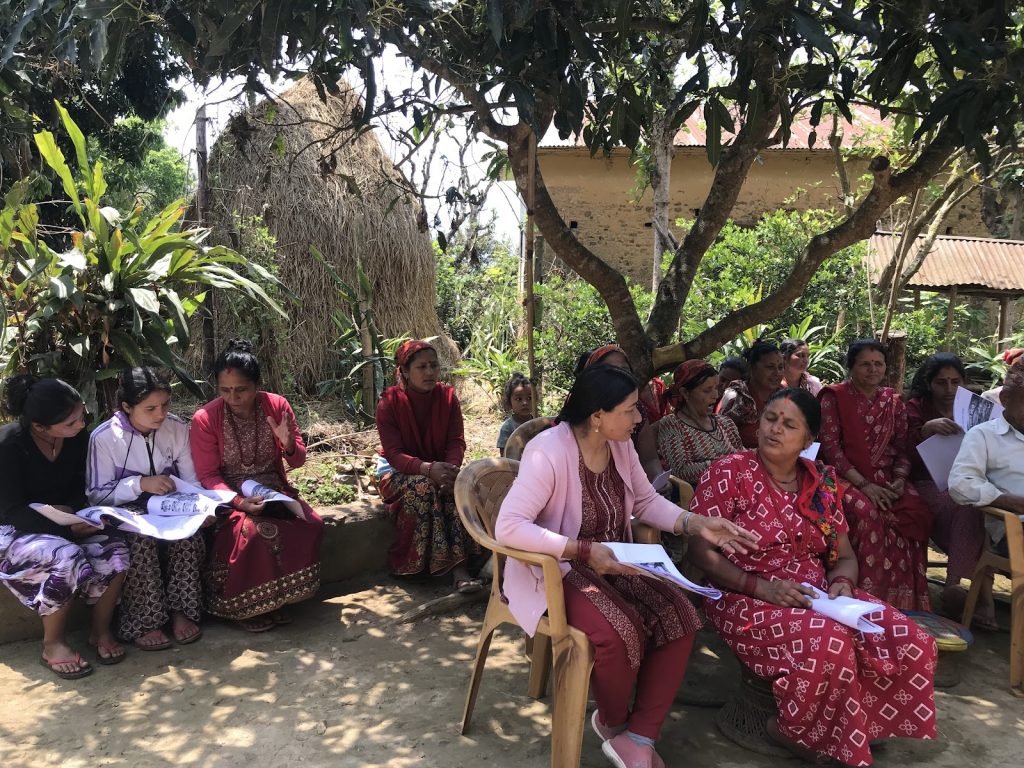
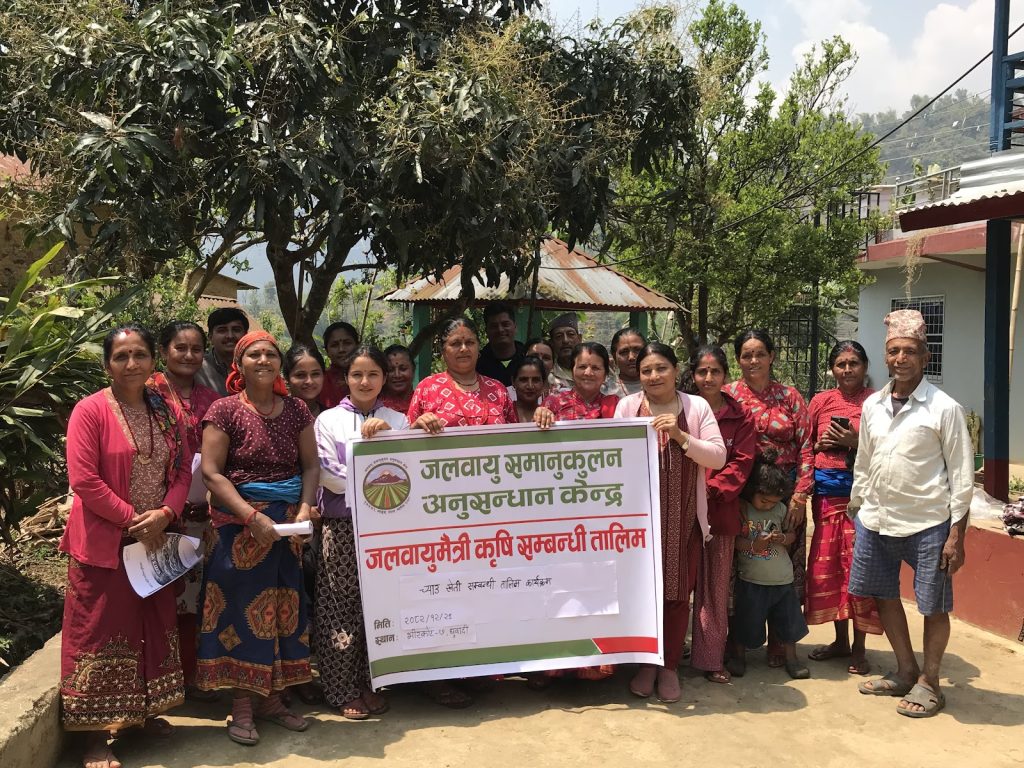
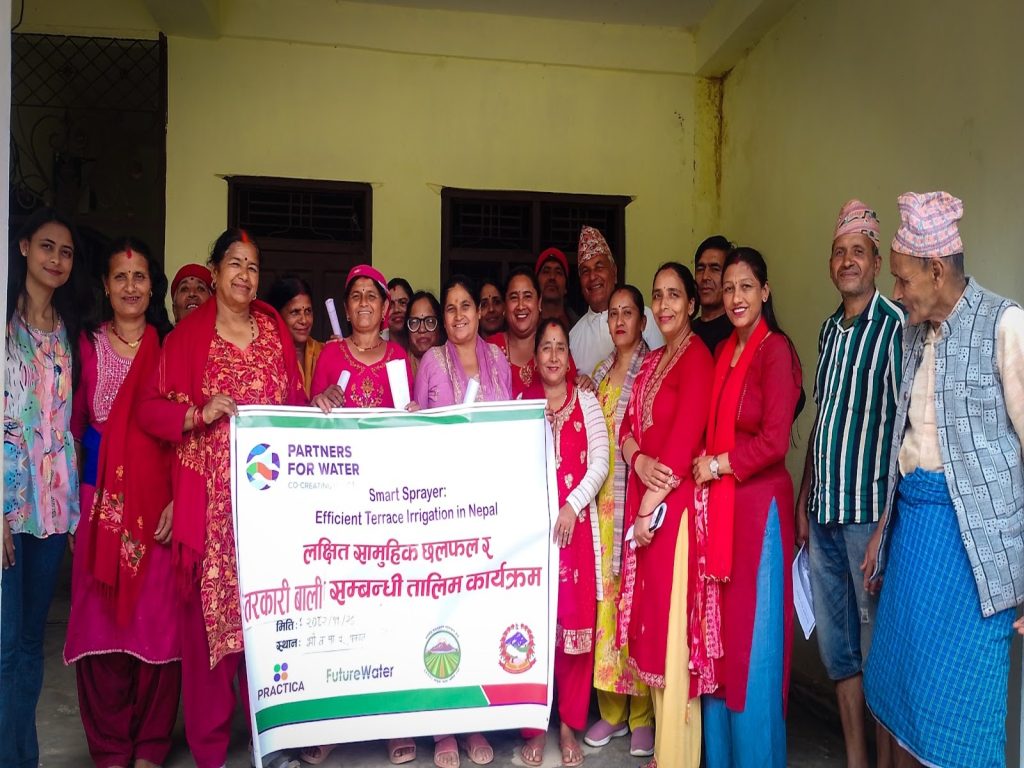
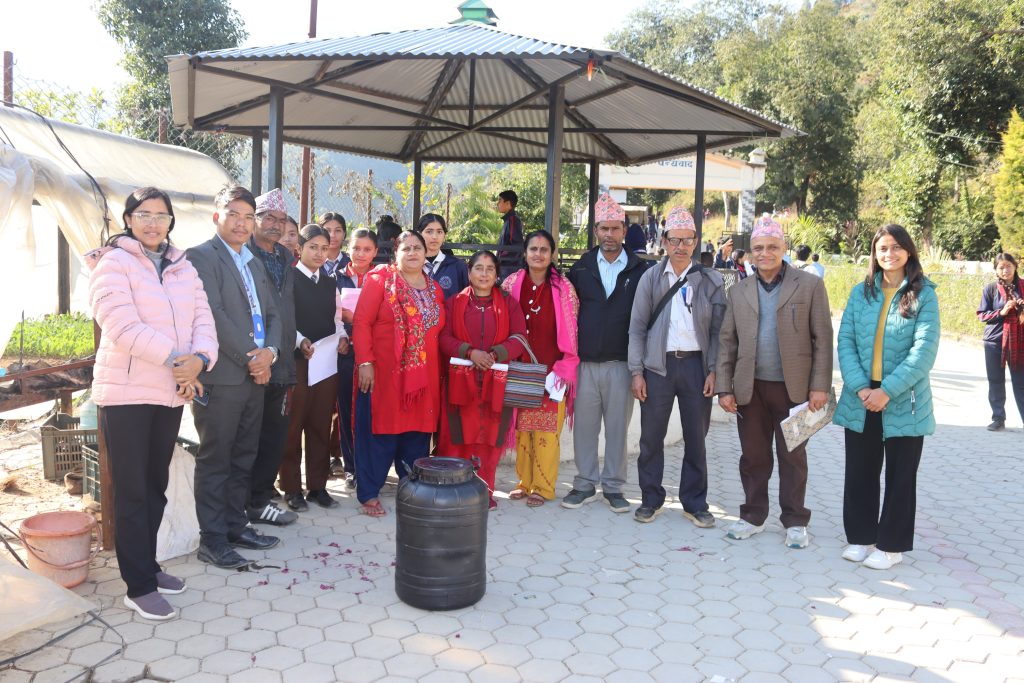
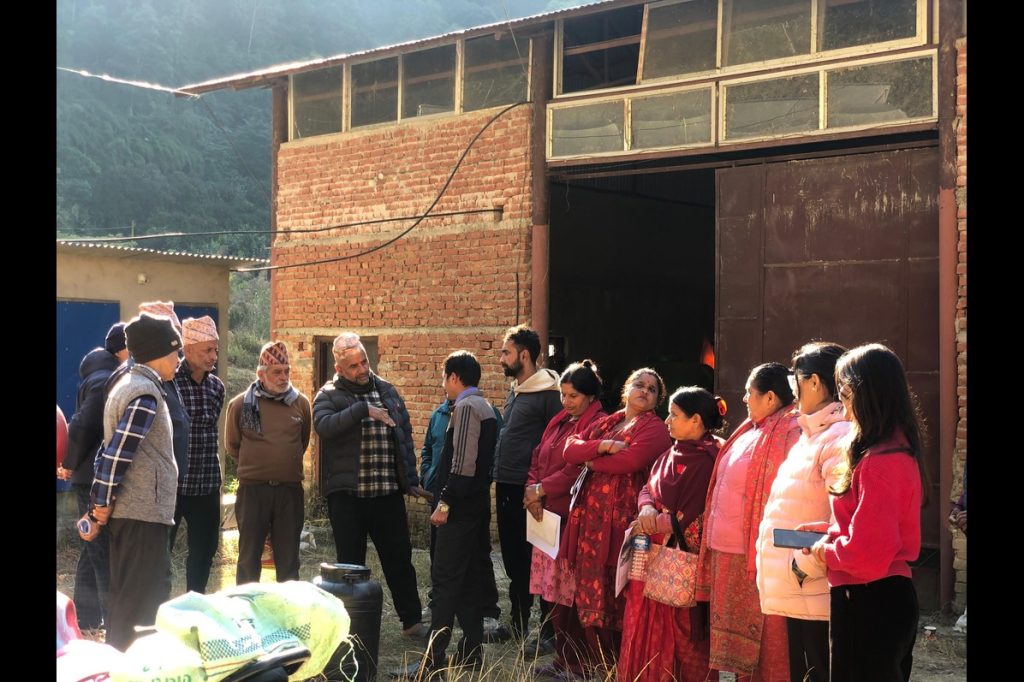
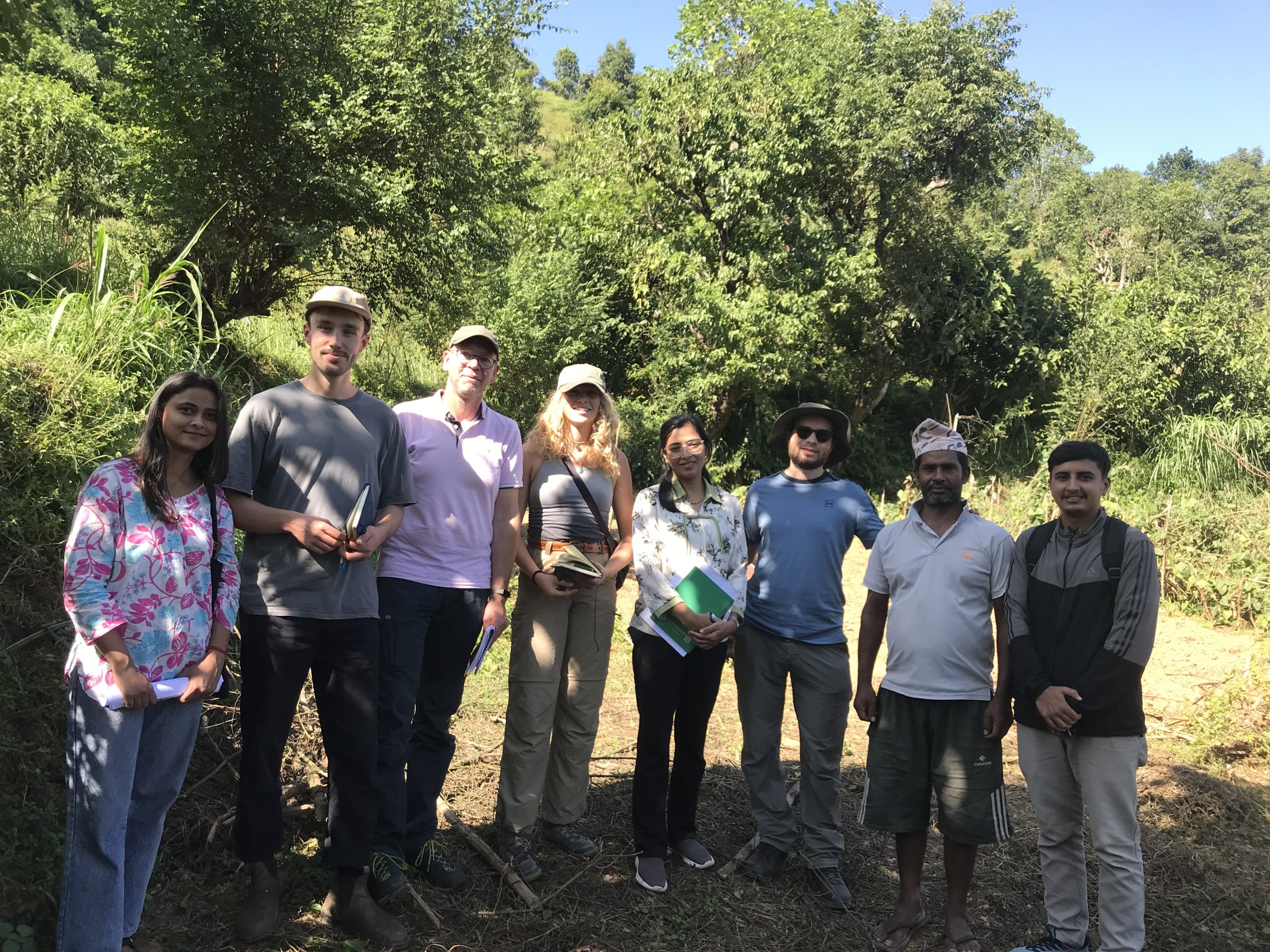
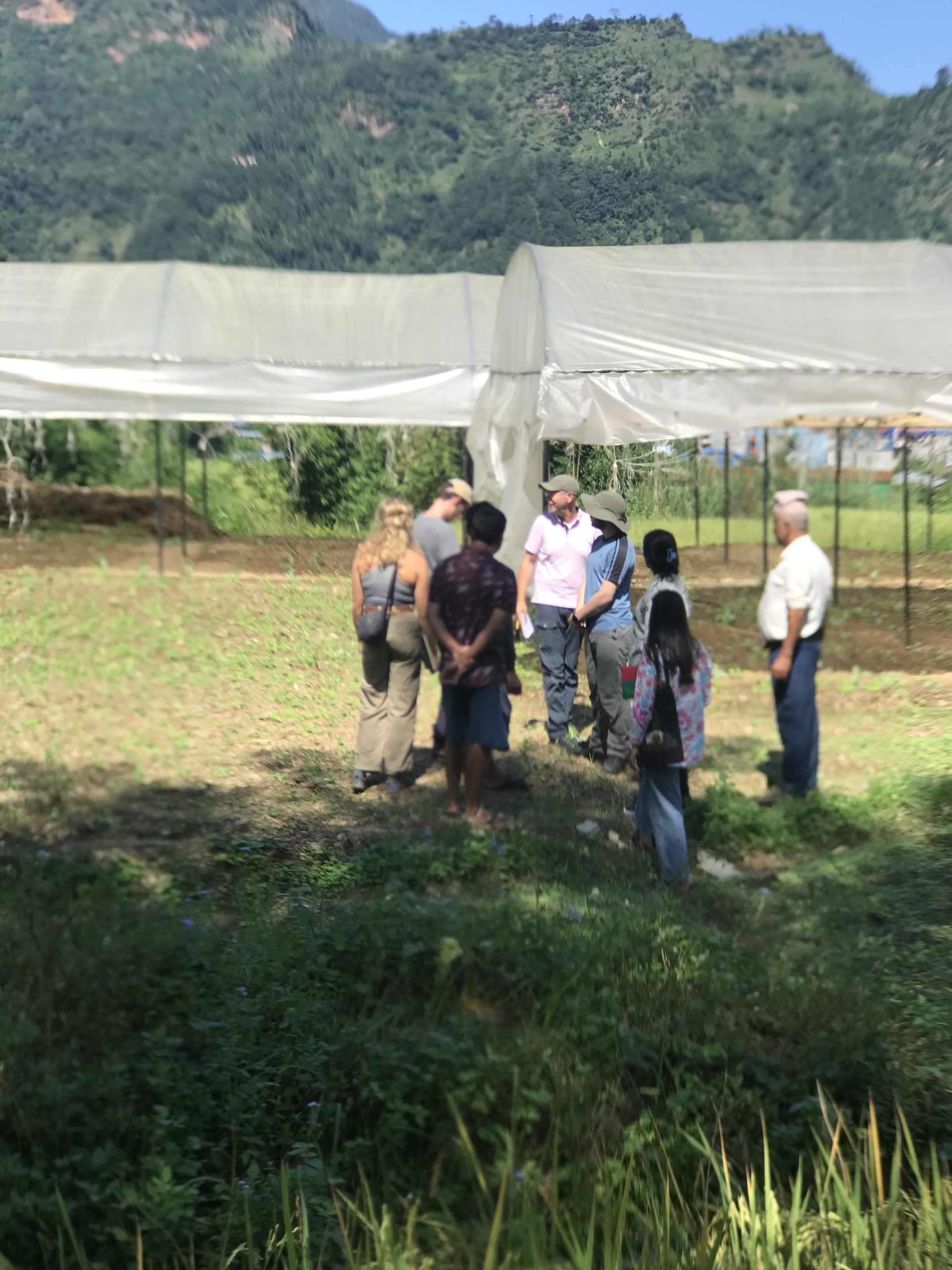
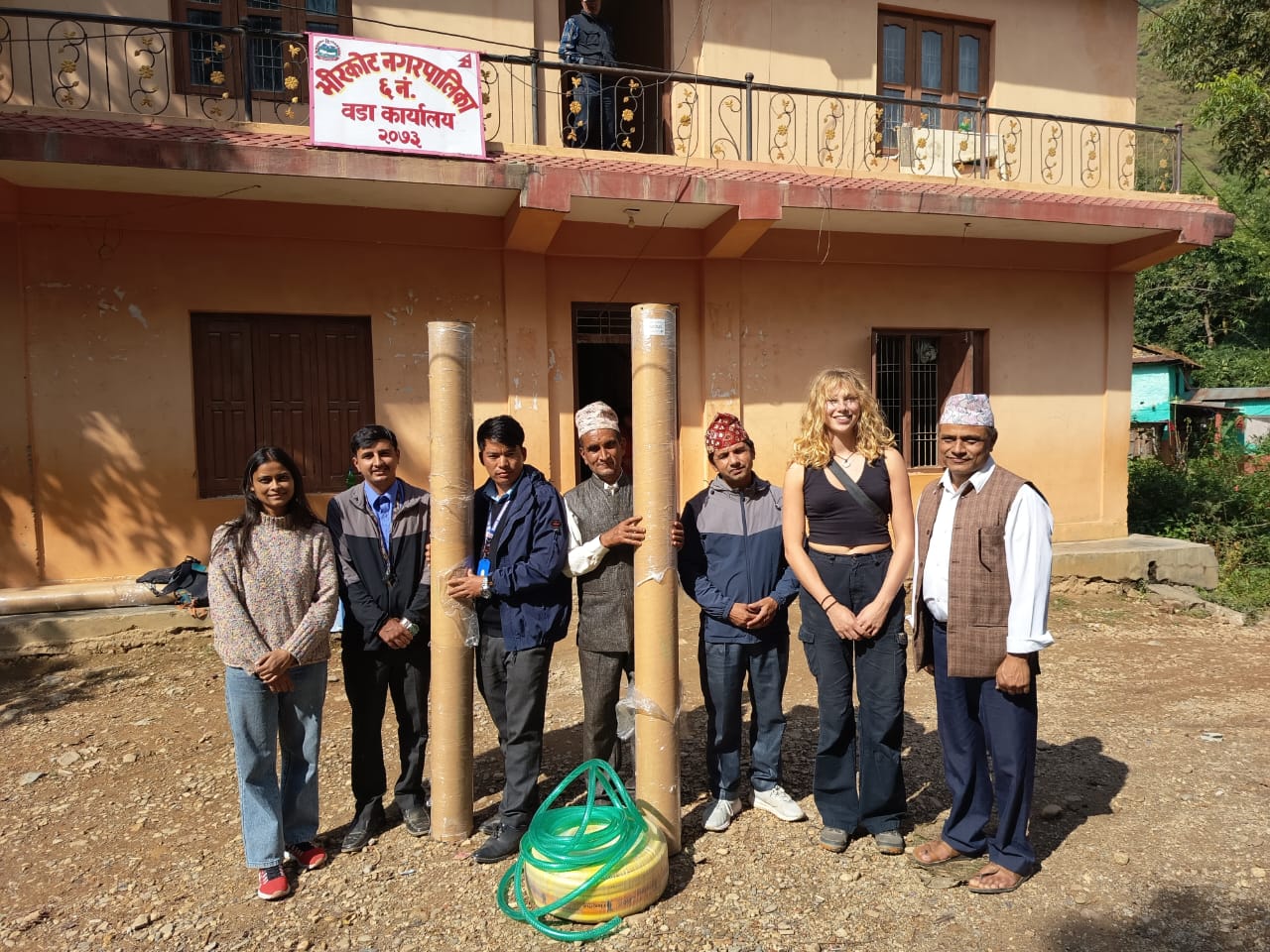
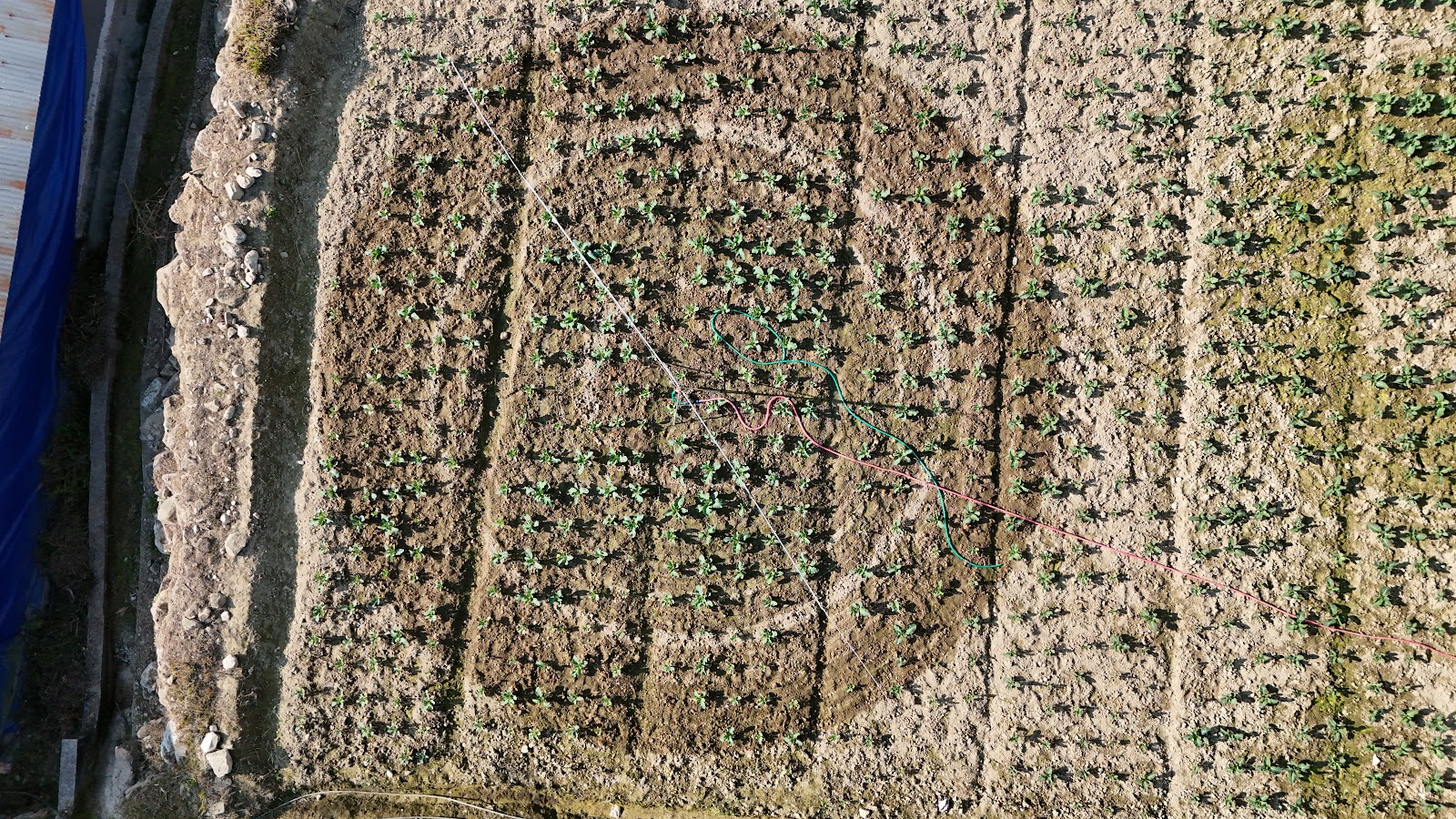
In response, CRRC works closely with small-hold farmer communities in midhills and help them in adopting new CSA technologies. Through hands-on training, CRRC’s team equips women, youth, and marginalized farmers with time-saving, high-productivity technologies and practical skills. The initiative also supports youth leadership and local innovation in farming. Through this approach, CRRC aims to reach and benefit 1000 smallholder farmers across Syangja, strengthening livelihoods, food security, and community-level climate resilience.